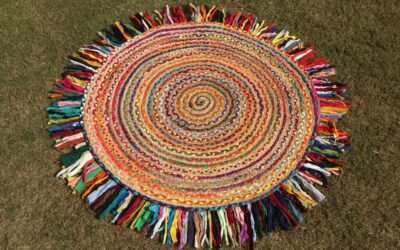
A black jute rug blends the earthy, handwoven texture of natural fiber with a deep, grounding color that anchors a room. Where a traditional tan jute rug reads casual and beachy, the black version feels more intentional and modern, making it a favorite for homeowners who want natural materials without the expected neutral palette.
Jute is a plant-based fiber harvested from the stalks of the jute plant, prized for being affordable, sustainable, and beautifully textured. Dyed or woven in black, it brings warmth and contrast to spaces ranging from minimalist living rooms to layered, bohemian bedrooms. This guide covers where these rugs work best, their strengths and limitations, and how to keep one looking great.
What Makes Jute a Popular Rug Material
Jute has become a go-to natural fiber for good reasons. It is one of the most renewable plant fibers available, growing quickly and requiring relatively few resources, which appeals to eco-conscious shoppers. The fiber has a soft, slightly nubby texture that feels more comfortable underfoot than coarser natural materials like sisal.
The weave also gives jute its character. You will find chunky braided constructions, flat herringbone patterns, and tight boucle-style loops, each offering a different look and feel. In black, these textures stand out even more, because the dark color emphasizes the shadows and dimension of the weave rather than hiding them.
Where a Black Jute Rug Works Best
The versatility of this rug is part of its charm. It suits many rooms, though some placements play to its strengths better than others:
- Living rooms. A large black jute rug grounds a seating area and pairs effortlessly with wood, leather, and linen.
- Bedrooms. Layer a smaller jute rug under the foot of the bed or use a large one to soften the whole space.
- Dining rooms. The durable weave handles chair movement, though it shows crumbs, so plan on regular cleaning.
- Entryways and hallways. A runner adds texture and hides everyday dirt thanks to its dark tone.
- Home offices and reading nooks. The natural fiber warms up hard floors and quiets the room.
Because black contrasts with light flooring, these rugs are especially striking over pale oak, white-washed wood, or light tile, where they define a zone with a clean, graphic edge.
Design Ideas and Styling
One of the best features of a black jute rug is how easily it mixes with other styles. In a modern farmhouse, it tempers crisp whites and adds an organic note. In a Scandinavian room, it provides the dark anchor that keeps a light, airy scheme from feeling flat. In a bohemian space, it serves as a calm base for layering smaller patterned rugs, kilims, or sheepskins on top. The natural irregularity of the weave keeps even the most polished rooms from feeling sterile, adding the kind of handmade imperfection that makes a space feel collected rather than catalog-perfect.
Layering is a popular trick. Place a smaller patterned, wool, or vintage rug at an angle over the jute to add color and softness while keeping the natural texture visible around the edges. The black base makes nearly any top rug pop. For a more minimal look, let the jute stand alone and let its weave do the talking.
Think about the surrounding palette as well. Black jute pairs naturally with warm woods, brass and matte black hardware, and earthy greens, browns, and creams. Against an all-white room it provides crisp contrast, while in a darker, moodier space it reinforces the cozy, enveloping feeling. Because the color is neutral despite being bold, it rarely clashes, which makes it an easy long-term investment as your decor evolves.
Pros and Cons to Consider
Like any material, jute has trade-offs worth understanding before you buy. On the positive side, it is budget-friendly compared with wool, sustainable, naturally textured, and great at hiding everyday dirt in its dark, busy weave. It also adds instant warmth and a relaxed, organic feel to a room.
The limitations come down to durability around moisture. Consider these points:
- Jute is not water-friendly; it can stain, develop water marks, and even brown if it stays damp, so it is a poor choice for bathrooms, kitchens, or covered patios exposed to rain.
- The coarse fibers can shed, especially when new, and may feel rough for bare feet or crawling babies compared with plush rugs.
- Spills need fast attention, because liquids soak in quickly.
- In very high-traffic spots the fibers can wear, so heavier weaves last longer.
Knowing these limits helps you place the rug where it will thrive rather than where it will struggle.
How to Clean and Care for Jute
Caring for a jute rug is mostly about keeping it dry and free of grit. Follow these steps to extend its life:
- Vacuum regularly without a beater bar, or with the brush turned off, to lift dirt before it grinds into the fibers. Vacuum both sides occasionally.
- Blot spills immediately with a clean, dry cloth, pressing rather than rubbing so you do not push liquid deeper.
- Spot-clean with a barely damp cloth and a small amount of mild, jute-safe cleaner, then dry the area quickly with a fan or towel.
- Avoid soaking the rug or steam-cleaning it, since excess water causes browning and weakens the fibers.
For deep cleaning, dry-cleaning powders made for natural fibers are safer than wet methods. Use a rug pad underneath to prevent slipping and to cushion the weave, and rotate the rug every few months so it wears evenly. Always test any cleaner on a hidden corner first and never mix cleaning products together. Follow the manufacturer’s care label, because constructions vary.
Buying Tips and Final Thoughts
When shopping, check the weave density, since tighter, heavier rugs hold up better in busy rooms. Confirm whether the black is woven from dyed fiber throughout or surface-dyed, and ask about colorfastness so the dark tone does not transfer or fade. Order the right size; a common rule is for the front legs of your seating to rest on the rug in a living room, which means measuring carefully before you buy.
A black jute rug rewards you with natural texture, sustainable materials, and a bold, grounding color that elevates almost any style. Keep it in dry, well-suited rooms, pair it with a quality rug pad, and stick to a simple dry-care routine, and it will deliver years of relaxed, organic warmth underfoot.