Sometimes a thick, plush rug is exactly the wrong choice, like under a door that needs clearance, in a layered styling setup, or in a high-traffic entry where bulk gets in the way. A thin jute rug solves all of those problems, delivering the warm, organic texture of natural fiber in a low-profile weave that sits flat and unobtrusive. These flatweave rugs have become a designer favorite precisely because they add earthy character without the height, weight, or vacuuming challenges of a chunky braided jute.
What Makes a Jute Rug Thin
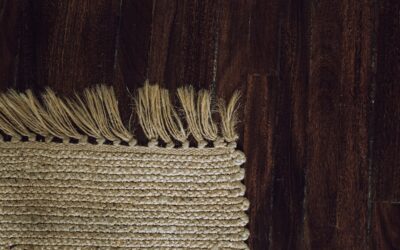
Jute is a natural plant fiber spun from the stalks of the jute plant, prized for its soft golden color and rope-like texture. The thickness of a jute rug comes down to the weave. Thin jute rugs use a flatweave or fine boucle construction that produces a pile height of roughly an eighth to a quarter inch, versus the half-inch or more of chunky hand-braided versions.
This low profile is the whole point. A flatweave jute lays flush against the floor, slides easily under furniture, and never traps a door or rises into a tripping edge. The trade-off is slightly less cushioning underfoot, which is rarely an issue in the places these rugs shine.
Key Benefits of a Low-Profile Design
The thin profile delivers practical advantages that thick rugs cannot. Because it sits so low, a thin jute rug clears interior doors, slides under sofas and beds without lifting the furniture, and creates smooth transitions between rooms. It is also lighter and far easier to move, shake out, and reposition.
Layering is where thin jute truly excels. Designers use it as a neutral base under a smaller patterned rug, adding texture and visual size to a room. The flat weave makes an ideal foundation that holds the top rug in place while peeking out around the edges for that collected, layered look.
Best Places to Use One
A thin jute rug works almost anywhere you want natural texture without bulk. Consider these prime spots:
- Entryways and hallways: the low profile clears doors and handles foot traffic with a casual, durable surface
- Under dining tables: chairs slide in and out smoothly over the flat weave
- Layered living rooms: as a large base rug beneath a smaller wool or patterned rug
- Bedrooms: tucked partly under the bed to frame the space at a fraction of a thick rug’s cost
- Home offices: chair casters roll more easily on a thin flatweave than on a high pile
Because jute is moderately durable but not waterproof, keep it in dry indoor areas rather than bathrooms, kitchens, or covered porches where moisture lingers.
What to Look for When Buying
Not all thin jute rugs are equal. Check the weave density first; a tighter weave sheds less and lasts longer. Run your hand across the surface, and if loose fibers come off easily, expect ongoing shedding, which is common with jute but worse in loosely woven budget rugs.
Consider blends too. A jute-and-cotton or jute-and-wool flatweave adds softness and reduces shedding while keeping the natural look. Sizes from a 2-by-3-foot accent to a 9-by-12-foot room rug are widely available, and prices typically run $40 to $150 for small rugs and $150 to $400 for large flatweaves, far less than wool. Always pair a thin jute rug with a quality non-slip pad, since these flat rugs can slide on hard floors.
Caring for a Thin Jute Rug
Jute is low-maintenance but has one firm rule: keep it dry. Vacuum regularly with the beater bar off or on a low setting to lift dirt from the weave without pulling fibers. Shake or take smaller rugs outside periodically to release embedded grit that wears down the fibers over time.
For spills, blot immediately with a dry cloth, never rub, and avoid soaking the rug, since water can cause jute to brown, smell musty, or develop mildew. Spot-clean with a barely damp cloth and a tiny bit of mild detergent, then dry the spot quickly with a fan. Never steam-clean or shampoo a jute rug.
Styling Tips for Natural Texture
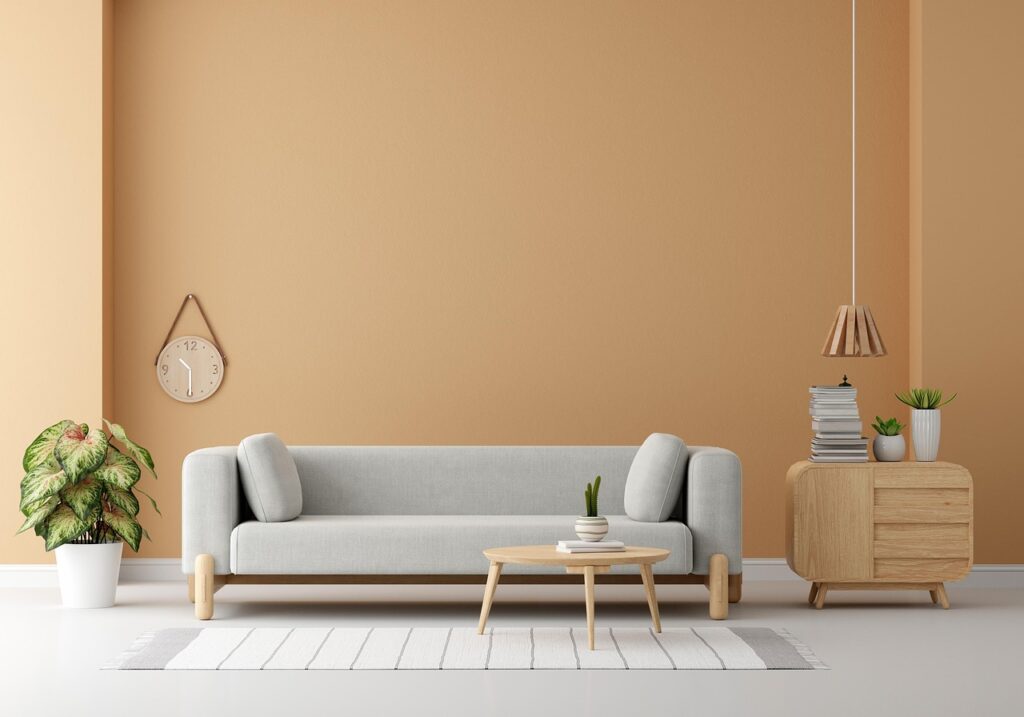
The neutral, golden tone of jute pairs with almost any palette, which is why it anchors so many coastal, farmhouse, boho, and Scandinavian rooms. Use a thin jute base to ground a seating area, then layer a colorful kilim or a soft sheepskin on top for contrast in both texture and color.
In a minimalist or neutral room, a thin jute rug supplies just enough organic warmth to keep the space from feeling cold. Its understated braided or herringbone weave reads as quiet texture rather than a bold statement, letting your furniture and art take center stage.
Is a Thin Jute Rug Right for You?
If you want natural fiber texture, easy layering, door clearance, and a budget-friendly price, a thin jute rug is an excellent choice. It brings warmth and an earthy, hand-woven feel to entries, dining rooms, and living spaces without the bulk or expense of thick wool.
Just match it to the right room. Keep it in dry, indoor, low-moisture areas, pair it with a non-slip pad, and accept a bit of fiber shedding early on. Do that, and a thin jute rug delivers years of casual, natural-looking style that works as a standalone piece or the perfect foundation for a layered design.
Jute Versus Sisal and Other Natural Fibers
Jute is one of several natural-fiber rug options, and knowing the differences helps you choose well. Jute is the softest of the bunch, with a warm golden tone, which makes it comfortable enough for living rooms and bedrooms. Sisal, by contrast, is much tougher and more durable but coarser underfoot, better suited to high-traffic halls where wear matters more than softness.
Seagrass is nearly waterproof and stain-resistant thanks to its smooth, non-porous fibers, but it cannot be dyed and stays a natural green-tan. Wool is the softest and most stain-resistant of all but costs several times more. For a thin, low-profile rug that balances softness, looks, and price, jute usually wins, especially when you want a forgiving base for layering rather than a stand-alone heavy-traffic surface.
How Long a Thin Jute Rug Lasts
With reasonable care, a quality thin jute rug lasts roughly three to seven years, less in a heavy-traffic entry and longer in a low-use bedroom. Because jute fibers are softer than sisal, they wear faster underfoot, so rotating the rug 180 degrees every few months evens out the wear and extends its life noticeably.
Sun exposure also matters: direct sunlight gradually fades and weakens jute, so position the rug away from a bright unshaded window or rotate it to age evenly. At its modest price point, a thin jute rug is easy to replace when it finally wears out, and many homeowners happily swap in a fresh one every few years to keep the natural texture looking crisp.