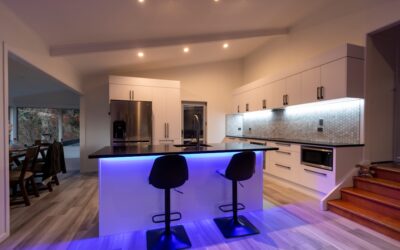
Nothing grounds a kitchen quite like a dark floor or a dramatic dark wall, and few materials pull it off as convincingly as tile. Chosen well, black kitchen tile reads as sophisticated and modern; chosen poorly, it shows every crumb, water spot, and dusty footprint within an hour of mopping. I’ve installed dark tile in everything from tight galley kitchens to 400-square-foot open-plan spaces, and the difference between a stunning result and a maintenance headache almost always comes down to finish, grout, and lighting. This guide covers what actually works.
Part of our Kitchen Remodeling guide — explore the full guide →
Why Homeowners Choose Black Tile
Dark tile brings a depth and contrast that lighter materials simply can’t match. Against white cabinets or brass hardware, it delivers the high-contrast, editorial look that shows up all over design magazines. In a smaller kitchen, a matte charcoal floor can actually make the space feel more intentional and anchored rather than cramped, provided the walls and counters stay light.
Beyond looks, black hides certain things well. Scuffs from shoes, dark spills like coffee or balsamic, and the general grime of a busy cooking space disappear against a dark field far better than they would on white marble-look porcelain. The trade-off is dust, lint, and dried water spots, which stand out sharply. Knowing that trade-off up front is half the battle.
While you’re upgrading the kitchen floor, it might be a good time to rethink the seating too. Swapping out old bar stools is one of those small changes that makes the whole room feel more pulled together.
We may earn a commission when you purchase through our links.
Materials and Finishes That Work
Most black kitchen tile falls into three material categories, and each behaves differently underfoot and under kitchen lighting.
- Porcelain — the workhorse. Dense, water-resistant, and available in matte, honed, and textured surfaces. A through-body or color-body porcelain hides chips because the dark color runs deeper than the glaze.
- Natural stone — slate, honed granite, and black basalt bring genuine variation and a premium feel, but they need sealing every 12 to 18 months and can etch or spot.
- Ceramic — the budget option for walls and backsplashes. Fine for vertical surfaces but too soft-glazed for heavy floor traffic in most kitchens.
Finish matters more than material for daily livability. A high-gloss black floor looks incredible in a showroom and turns into a spotted mess in a real kitchen, because it broadcasts every water droplet and micro-scratch. Matte or lightly textured surfaces are far more forgiving and add slip resistance, which is exactly what you want near a sink. For floors, look for a tile with a DCOF rating of 0.42 or higher.
Getting the Grout Right
Grout choice can make or break a dark tile install. Bright white grout against black tile creates a crisp grid pattern that some homeowners love and others find too busy, especially on floors where every joint stands out. For a seamless, monolithic look that makes the floor feel larger, match the grout to the tile with a charcoal or true-black color.
Whatever color you pick, use a high-quality epoxy or a sealed cementitious grout. Standard unsealed grout in a light color will trap grease and dirt fast in a kitchen and turn gray within a year. Keep joints tight, around 1/16 to 1/8 inch for rectified porcelain, to minimize the grout you have to maintain in the first place.
Where to Use Black Tile in the Kitchen
You don’t have to commit to a full black floor to get the drama. Some of the best results come from using dark tile as a deliberate accent.
Floors
A full dark floor works best in kitchens with plenty of natural light and lighter cabinetry above. Large-format tiles, 12×24 inches or bigger, reduce grout lines and read as more contemporary. In a windowless galley, reconsider or lean toward charcoal rather than true black.
Backsplashes
Black subway tile, hexagons, or a matte black zellige backsplash adds richness behind a range without darkening the whole room. Pair it with under-cabinet lighting so the surface doesn’t fall into shadow.
Feature walls and islands
Cladding an island base or a single wall in dark tile gives you contrast and texture while keeping the main work surfaces bright and easy to clean.
What Black Kitchen Tile Costs
Pricing spans a wide range depending on material, size, and whether you hire out the install. Here’s what materials alone typically cost:
- Ceramic wall tile: $2 to $7 per square foot
- Standard porcelain floor tile: $4 to $10 per square foot
- Large-format or textured porcelain: $8 to $16 per square foot
- Natural slate or basalt: $7 to $20 per square foot
Professional installation adds roughly $8 to $15 per square foot depending on your region, subfloor prep, and tile size, with large-format and natural stone commanding the higher end because they demand a dead-flat substrate. For a typical 150-square-foot kitchen floor, budget $2,000 to $4,500 installed for mid-grade porcelain. Add another $300 to $600 for quality underlayment, thinset, and grout, and don’t skimp there, since the material under the tile determines how long the surface lasts.
Cleaning and Maintenance
The single biggest complaint about dark floors is water spotting, and it’s completely manageable once you adjust your routine. Skip the string mop that leaves streaks and standing water. Instead, use a microfiber flat mop with a pH-neutral cleaner and dry the floor with a second dry microfiber pad if spots persist. Never use vinegar on natural stone, since the acid etches the surface and leaves dull marks that are impossible to buff out.
Vacuum or dust-mop every couple of days, because dust and pet hair show up dramatically on black tile. For natural stone, reseal on schedule and wipe spills promptly. A good practice on porcelain is a quarterly grout wipe-down with an oxygenated cleaner to keep lighter joints from graying. Do these small things and a dark floor stays gorgeous for years.
Common Mistakes to Avoid
After enough jobs, the same missteps come up again and again. Steer clear of these:
- Choosing high-gloss for a busy floor. It looks great empty and terrible in use. Go matte or textured for anything you walk on.
- Darkening a low-light kitchen everywhere. Without windows or strong fixtures, all-black surfaces feel like a cave. Add light or limit dark tile to accents.
- Pairing black tile with dark cabinets and dark counters. Contrast is what makes the look work. Keep at least one major element light.
- Using cheap unsealed grout. It stains, cracks, and undermines an otherwise premium install.
Is Black Kitchen Tile Right for You?
Dark tile rewards homeowners who want a bold, modern kitchen and are willing to dry-mop a little more often to keep it flawless. If your kitchen has good light, lighter cabinets, and you love high contrast, a matte black kitchen tile floor or backsplash will look expensive and current for a decade or more. If you have a windowless space, small kids tracking in constantly, and no patience for spot-cleaning, lean toward charcoal or reserve the drama for a backsplash or island. Match the finish to your lifestyle first, chase the look second, and you’ll end up with a kitchen that stays as sharp as the day it was tiled.
Prefer to explore on your own?
See how new flooring looks in your actual room in seconds — free, no signup.
Try the free Floor Studio →