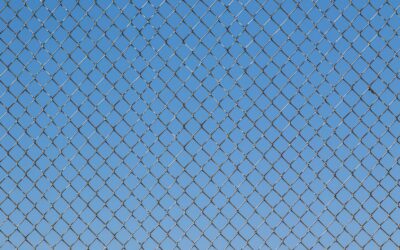
A black vinyl chain link fence gives you the durability and affordability of galvanized chain link with a look that practically disappears into the landscape. The dark PVC coating does more than tidy up the appearance. It hides the mesh visually so your yard and plantings stand out instead, which is why so many homeowners choose black over the old silver galvanized finish.
Part of our Decks & Outdoor guide — explore the full guide →
If you are weighing a black vinyl chain link fence against wood or solid vinyl, the appeal comes down to value. You get decades of low-maintenance service, clear sightlines, and a price well under most privacy fences. Here is what to know about materials, cost, and getting it installed right.
- How the Vinyl Coating Actually Works
- Choosing the Right Gauge and Mesh
- Standard Heights and Where to Use Them
- What a Black Vinyl Chain Link Fence Costs
- Installing It Yourself: The Key Steps
- Black Chain Link vs Other Fence Types
- Maintenance and Longevity
- Is It the Right Fence for You
- Adding Privacy Without Losing the Benefits
- Sloped Yards and Uneven Terrain
- Gates, Hardware, and Finishing Touches
How the Vinyl Coating Actually Works
Quality black chain link starts as galvanized steel wire, then gets a fused and bonded PVC coating in a factory. The steel core resists rust while the polymer skin adds a second layer of corrosion protection and the color. There are two grades to know. Extruded coating simply wraps the wire, while extruded-and-bonded coating chemically fuses to the steel and holds up far longer against cracking and peeling. For a fence you want to last 20 years or more, insist on bonded coating.
The color is baked into the standard RAL 9005 black used across the industry, so it stays consistent whether you buy fabric, posts, or fittings from different suppliers.
Choosing the Right Gauge and Mesh
Wire gauge describes thickness, and lower numbers mean thicker, stronger wire. Match the gauge to the job.
- 11.5 gauge: Economical residential grade, fine for pet and boundary fences.
- 9 gauge: The most popular residential and light-commercial choice, noticeably stronger and worth the small upcharge.
- 6 gauge: Heavy commercial and security applications.
Mesh size, the diamond opening, is typically 2 inches for residential fencing. A smaller 1-3/8 inch or 1-1/4 inch mesh makes climbing harder and is common around pools, where local codes often require it.
Standard Heights and Where to Use Them
Residential black chain link comes in 4-, 5-, and 6-foot heights most commonly. A 4-foot fence contains dogs and marks a boundary. Five feet is a solid all-purpose choice. Six feet adds security and keeps larger dogs from jumping. Pool codes frequently mandate a minimum 4-foot height with self-closing, self-latching gates, so check your local requirements before ordering. Always call 811 to have underground utilities marked before you dig a single post hole.
What a Black Vinyl Chain Link Fence Costs
Materials for residential black chain link generally run $8 to $18 per linear foot, with the vinyl-coated version costing roughly 15 to 25 percent more than plain galvanized. Professional installation typically brings the total to $15 to $30 per linear foot depending on height, gauge, terrain, and your region.
For a rough example, fencing a 150-linear-foot backyard in 4-foot, 9-gauge black chain link might run $2,250 to $4,500 installed. Gates add cost: a single 4-foot walk gate runs $150 to $300, and a 10- to 12-foot double drive gate runs $400 to $900. Corner and end posts, tension bars, and concrete for the footings are the other line items that add up.
Installing It Yourself: The Key Steps
A determined DIYer can install chain link over a weekend or two. The sequence matters.
- Set the terminal posts first. End, corner, and gate posts carry all the tension. Dig holes about 8 inches wide and one-third the post height deep, so 24 inches for a 6-foot fence, plus a few inches of gravel for drainage. Set them in concrete and let it cure at least 24 to 48 hours.
- Set line posts no more than 10 feet apart, all at a consistent height using a string line.
- Add the top rail through the line-post loop caps and into the rail-end cups on terminal posts.
- Hang the fabric. Slide a tension bar through the end of the mesh, attach it to the terminal post with tension bands, then stretch the fabric tight with a come-along before securing the far end.
- Tie it off with aluminum tie wires every 12 inches on line posts and every 24 inches along the top rail.
Match every fitting, cap, and tie wire to the black finish so no silver hardware breaks the clean look.
Black Chain Link vs Other Fence Types
Against solid vinyl or wood privacy fencing, chain link is cheaper, faster to install, and never needs painting or staining. What it does not provide is privacy. If screening is the goal, you can add privacy slats woven through the mesh or plant an evergreen hedge like arborvitae along the line. Compared with galvanized chain link, the black-coated version looks dramatically better and adds a corrosion layer, for a modest premium most homeowners find worthwhile.
Maintenance and Longevity
This is close to a maintenance-free fence. Rinse it with a garden hose once or twice a year, and wipe stubborn spots with mild soap and water. Inspect the tension bands, caps, and tie wires annually and replace any that loosen. Because the coating protects the steel, you will not be scraping rust or repainting the way you would with bare metal. Keep string trimmers from repeatedly whacking the bottom of the mesh, since that is the one place the coating can wear through over time. Treated well, a bonded black vinyl chain link fence commonly lasts 20 to 30 years, making it one of the best value-per-year fencing options on the market.
Is It the Right Fence for You
Choose black vinyl chain link when you want security, durability, and clear views without a big budget, and privacy is not your top priority. It shines for pet containment, pool enclosures, and defining property lines on wooded or sloped lots where the dark mesh recedes into the background. If total privacy or a warmer aesthetic matters more, put your money toward wood or solid vinyl instead. For most yards that just need a tough, tidy, and affordable boundary, it is hard to beat.
Adding Privacy Without Losing the Benefits
The one thing chain link does not do naturally is screen a view, but there are effective ways to add privacy while keeping the fence’s low cost and durability. Privacy slats are the most direct option: vertical or diagonal PVC strips woven through the mesh that block 75 to 90 percent of the view, sold in matching black to keep the look consistent, for roughly $1 to $3 per linear foot. Windscreen fabric, a mesh privacy screen zip-tied or laced to the fence, is common around pools and sports courts and blocks wind along with sightlines. For a living option, plant a hedge of arborvitae, boxwood, or privet along the line; the black mesh recedes into the greenery and eventually disappears behind a green wall. Each approach lets you keep the affordable, rot-proof chain link structure while gaining the screening a solid fence would provide.
Sloped Yards and Uneven Terrain
Chain link handles slopes better than most fence types, which is another reason it suits challenging lots. On gentle grades, the flexible fabric simply follows the ground in a smooth diagonal line, a method called raking or contouring, with the mesh angled to match the slope. On steeper or stepped terrain, installers can step the fence down in level sections, though this leaves triangular gaps at the bottom that may need filling if pets are a concern. When planning a fence on a slope, keep line posts closer together on the grade for a cleaner contour, and set terminal posts extra deep since they anchor more stress on uneven ground. Discuss the approach before installation so you know whether the bottom rail will follow the ground or step, which affects both appearance and how well it contains small animals.
Gates, Hardware, and Finishing Touches
Good gates make a fence usable day to day, so spend a little care here. Order gates pre-hung and matched to the fence height and black finish, and choose the width to your need: a 4-foot single gate for foot traffic, a 10- to 12-foot double gate for a mower, trailer, or vehicle. Use self-closing hinges and a self-latching mechanism on any pool-code gate, and add a padlock provision or keyed latch where security matters. Match every fitting, cap, tension band, and tie wire to the black coating so no silver hardware interrupts the clean look. A drop rod or cane bolt keeps a double gate steady when closed. These small hardware choices are the difference between a gate that sags and sticks within a year and one that swings true for decades, rounding out a fence that delivers exceptional value for the money.