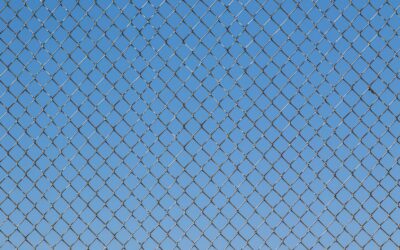
Standard galvanized chain link does its job, but nobody has ever called it attractive. A vinyl coated chain link fence solves that. It’s the same durable steel mesh wrapped in a fused polymer coating — usually black, green, or brown — that both protects the metal from rust and makes the fence visually recede into your landscaping. From ten feet away, a black-coated fence almost disappears, which is exactly the point.
Part of our Decks & Outdoor guide — explore the full guide →
Compared with bare chain link, the coated version is worth the modest upcharge nearly every time. It looks better, lasts longer, and costs far less than wood or ornamental aluminum. Here’s what you need to know.
How Vinyl Coating Works
The coating is a PVC layer bonded to galvanized steel wire, applied either by fusion-bonding or extrusion. Fusion-bonded coatings adhere directly to the zinc-galvanized wire and resist peeling; extruded coatings wrap a thicker jacket around the wire. Either way, the vinyl seals the steel from moisture, which is the enemy that eventually rusts and weakens bare chain link. The result is a fence that shrugs off weather for decades.
Color Options
Coated chain link comes in a handful of standard colors, each with a different effect:
- Black — by far the most popular; it visually disappears and reads as upscale
- Green — blends into hedges and lawns, common around parks and ballfields
- Brown — warm and earthy, pairs with natural wood and stone
- White — bright and clean, though it shows dirt more readily
Black is the go-to for residential yards because dark tones recede from the eye and let the landscape stand out instead of the fence.
Why Coated Beats Bare Galvanized
Beyond looks, the coating delivers real functional wins. It prevents rust at the vulnerable points where galvanized coating is thin or scratched. It’s smoother to the touch, with fewer sharp burrs that can catch clothing or skin. And it holds its appearance for years instead of dulling to that streaky gray. In coastal or high-humidity regions especially, the vinyl layer dramatically extends the fence’s usable life.
Understanding Wire Gauge
Gauge measures wire thickness, and lower numbers mean thicker, stronger wire. The common residential options:
- 11.5 gauge — light-duty, fine for pet runs and light residential use
- 11 gauge — standard residential, a good all-around choice
- 9 gauge — heavier residential and light commercial, more rigid and secure
- 6 gauge — commercial and high-security applications
For a typical backyard, 11 or 9 gauge coated mesh balances strength and cost. Remember the coating adds diameter, so a “9 gauge core” fence measures thicker with the vinyl on.
Height Choices
Match height to purpose. A 4-foot fence contains dogs and kids and marks a boundary without feeling like a barrier. A 5-foot line adds security and privacy screening. A 6-foot fence is the standard for full security and pool enclosures — and many local codes require a minimum height with self-closing gates around pools. Check your municipality’s fence code and any HOA rules before buying, since height limits and setback requirements vary widely.
Installation Basics
Installing coated chain link follows the same steps as galvanized, with extra care not to scratch the coating. The general process:
- Lay out the line, mark post locations — line posts every 8 to 10 feet, plus terminal posts at corners, ends, and gates
- Dig post holes roughly 24 to 30 inches deep and set posts in concrete, keeping them plumb
- Let the concrete cure at least 24 hours before hanging fabric
- Attach top rail and tension bands, then stretch the coated fabric tight with a come-along and fence puller
- Secure the fabric to posts and rails with matching color-coated tie wires
Use color-matched fittings, caps, and tie wires so the hardware blends in — mismatched silver galvanized clips on a black fence undercut the whole clean look.
Gates and Accessories
Plan your gates up front. A single walk gate needs about 3 to 4 feet of width; a double drive gate spans 10 to 12 feet for vehicle access. Order gates in the same coating color, and add self-closing hinges and a latch for pool or child-safety enclosures. Privacy slats woven vertically through the mesh are an inexpensive add-on if you want to screen a view — they come in coordinating colors.
What It Costs
Vinyl coated chain link runs roughly $15 to $30 per linear foot installed, versus $10 to $20 for bare galvanized — a modest premium for a big upgrade in looks and longevity. Materials alone for a DIY job run about $8 to $18 per foot. Gates add $150 to $400 each depending on size. Compared to a wood privacy fence at $25 to $45 per foot or aluminum at $30 to $60, coated chain link remains one of the best values in fencing.
Maintenance and Longevity
A vinyl coated chain link fence is about as low-maintenance as fencing gets. The coating sheds dirt, so an occasional spray with the garden hose keeps it clean, and a soft brush with mild soapy water handles stubborn grime or algae in shaded spots. Because the vinyl seals out moisture, you won’t fight the rust streaks that plague bare galvanized fences. Inspect the fence once a year: check that tension bands and tie wires are snug, look for any spots where the coating has been gouged deep enough to expose bare steel, and touch those up with a matching vinyl repair paint to keep rust from starting. Trim back vines and brush that trap moisture against the mesh. Cared for this way, a quality coated fence commonly lasts 20 to 30 years.
Final Thoughts
A vinyl coated chain link fence gives you the durability and low cost of chain link without the industrial eyesore. Choose black for the most refined, disappearing look, pick a 9 or 11 gauge for residential strength, and use color-matched hardware throughout. It’s the practical choice for pet owners, pool safety, and boundary marking — a fence that does its job for decades while quietly staying out of sight.