A blue rug is one of the most versatile color choices you can make for a floor. Blue spans an enormous range, from inky navy to bright turquoise to soft powder, and each shade sets a completely different mood. It is calming, classic, and surprisingly easy to coordinate, which is why blue rugs anchor everything from coastal living rooms to moody home offices. This guide walks through the shades, materials, and sizing that help you pick a blue rug you will love for years.
The Many Shades of Blue
Choosing the right blue starts with understanding how each tone behaves in a room.
- Navy: Deep and dramatic, navy grounds a space and reads as a near-neutral. It hides dirt well, making it practical for busy rooms.
- Teal and peacock: A blend of blue and green that adds energy and works beautifully with brass, emerald, and warm woods.
- Powder and sky blue: Soft, airy tones that brighten small rooms and feel fresh in bedrooms and nurseries.
- Indigo and denim: Versatile mid-tones that pair with almost anything, including natural fibers and white.
- Cobalt and royal: Saturated, bold blues that make a confident statement as a focal point.
Why Blue Rugs Are So Popular
Blue is widely described as the most calming color, which is part of its appeal underfoot. It also has a chameleon quality: cool blues feel crisp and modern, while warmer indigos feel cozy and traditional. Because blue appears throughout nature, in water and sky, it reads as restful rather than jarring. Practically speaking, darker blues camouflage everyday dirt and pet hair, a real advantage in high-traffic homes.
Picking the Right Size
The most common mistake with any rug is going too small. Use the room and furniture to guide you.
- Living room: An 8×10 or 9×12 lets the front legs of the sofa and chairs rest on the rug, tying the seating together.
- Bedroom: A 9×12 under the bed leaves a generous border on three sides; runners are a good alternative.
- Dining room: Allow at least 24 inches of rug beyond the table edge so chairs stay on it.
- Hallway and entry: Runners and 2×3 mats add a hit of blue in tight spaces.
Materials and Construction
The fiber affects durability, feel, and price.
Wool
Wool blue rugs are soft, resilient, and naturally stain-resistant. They hold color well and resist crushing, but they cost more, often $300 to over $1,500 depending on size and weave.
Synthetics
Polypropylene and polyester are affordable, easy to clean, and frequently fade-resistant. They are ideal for sunny rooms, kids’ spaces, and indoor-outdoor use, with many options between $50 and $300.
Natural Fibers
Cotton flatweaves in blue are washable and casual, while jute blends offer texture but limited cleanability. Choose these for lower-traffic or layered looks.
Styling a Blue Rug
Blue is a team player. Navy pairs strikingly with white, cream, and warm wood for a nautical or classic feel. Teal loves brass, rust, and mustard for a livelier scheme. Powder blue keeps things light alongside soft grays and pale woods. For a sophisticated contrast, set a cobalt rug against charcoal furniture. Patterns matter too: a Persian-style blue rug suits traditional rooms, while a solid or geometric blue leans modern.
Layering also works well. A bold blue rug atop a larger neutral jute base adds depth without overwhelming the floor, and it is an affordable way to test a saturated shade.
Where Blue Rugs Work Best
Blue’s calming nature makes it a natural for bedrooms and reading nooks. In living rooms, navy and indigo bring a grounded, put-together look. Home offices benefit from blue’s focus-friendly reputation. Bright teal and turquoise energize kitchens, sunrooms, and kids’ rooms, while coastal-inspired blues feel right at home in beach houses.
Patterns and Textures
Blue rugs come in nearly every pattern, and the design sets the room’s tone as much as the color does. A classic Persian or Oriental blue rug brings tradition and richness, ideal for formal living and dining rooms. Geometric, abstract, and Moroccan-inspired blue rugs feel modern and graphic, while solid blue rugs read clean and let furniture and art lead. For coastal and casual rooms, a blue-and-white stripe or a faded, washed-out blue gives an easygoing, relaxed feel.
Texture changes the experience underfoot. Plush, high-pile blue rugs add comfort to bedrooms and reading corners, while flatweaves and low-pile rugs handle traffic and chair movement better in dining rooms and entries. A hand-knotted blue wool rug offers the most durability and depth of color, and high-low constructions add dimension that makes a simple blue rug feel custom.
Avoiding Common Mistakes
One frequent error is choosing a blue that fights with the room’s undertones. Cool blues can clash with very warm wood or beige tones, so test how your chosen shade reads against fixed finishes before buying. Going too small is another classic mistake; a rug that floats in the middle of the floor disconnects the furniture. Lastly, view the rug in your own lighting, since blue is notorious for shifting between daylight and lamplight, sometimes reading more gray, green, or purple than it did in the store.
Care and Maintenance
Vacuum weekly to keep grit from cutting fibers, and rotate the rug periodically so traffic and sunlight wear it evenly. Blot spills right away instead of rubbing. A rug pad underneath prevents slipping and cushions the pile, extending the rug’s life. Wool rugs benefit from professional cleaning every couple of years, while many synthetic and cotton rugs are spot-cleanable or machine washable; always check the label.
What to Budget
Small synthetic blue accent rugs start around $40 to $80, mid-size machine-made pieces run $150 to $500, and large hand-knotted wool rugs can exceed $1,500. Consider the room’s traffic and how long you want the rug to last; a durable wool rug in a busy space can be the better long-term value.
Choosing Blue Rugs for Bedroom Spaces
Blue rugs for bedroom spaces do a slightly different job than blue rugs in a living room. A bedroom rug is the first thing your feet touch in the morning, it frames the bed as the focal point, and the color sets the mood for rest. That changes how you should think about shade, size and texture.
Shades That Suit a Bedroom
Soft, muted blues such as powder, dusty blue, slate and gray blue tend to feel restful and work well in smaller rooms because they do not visually close in the space. Navy and deep indigo bring a cozy, grounded feel to larger primary bedrooms, especially paired with lighter walls so the room does not feel dark. Bright cobalt or turquoise suits kids’ rooms and guest rooms where you want energy rather than calm. If you are unsure, pick a rug that mixes two or three blues with a neutral such as ivory or gray, since a pattern hides lint and wear and is easier to match to bedding over time.
Sizing a Rug Under the Bed
The goal is a soft landing on both sides and at the foot of the bed. For a queen bed, an 8 by 10 rug placed so the lower two thirds of the bed sits on it usually leaves about 18 to 24 inches showing on each side. A king bed generally needs a 9 by 12 for the same effect. In a tight room, or with a twin or full bed, a 5 by 8 set crosswise under the lower half of the bed works, or you can skip the large rug and use two runners along each side. Leave the nightstands off the rug or fully on it so they do not rock on the edge.
Pairing Blue With Bedding, Walls and Floors
Blue plays well with warm wood floors because the orange tones in oak or walnut balance the cool color. On gray or white floors, add warmth through a cream or tan duvet, natural wood furniture or brass lamps. Repeat the rug’s main blue once or twice elsewhere, such as in a throw, pillow or curtain, so the room feels connected without matching everything. White and soft gray walls let a navy rug stand out, while pale blue walls with a patterned blue rug create a calm, layered look. For a coastal feel, pair light blue with sandy neutrals and natural textures; for a moodier feel, pair navy with charcoal and deep green.
Texture and Comfort Underfoot
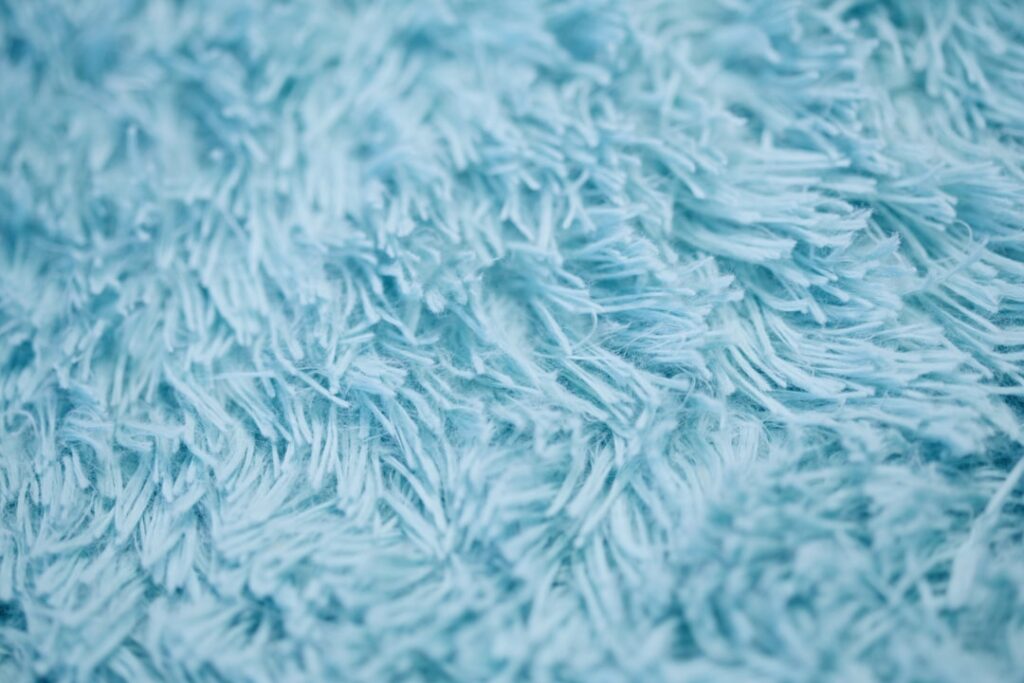
Because you step on it barefoot, softness matters more here than in a hallway. Wool and plush shag feel warm and insulate a cold floor in winter. Low pile synthetic rugs are easier to vacuum under a bed and resist crushing where the bed frame sits. Add a quality rug pad with a non-slip surface so the rug does not shift when you climb out of bed, and keep the edges flat to avoid a tripping spot on the way to the bathroom at night. Expect a quality bedroom size rug to range from a modest budget for synthetics to a much higher spend for hand knotted wool.
Final Thoughts
From restful powder blue to dramatic navy, a blue rug offers color, calm, and remarkable flexibility. Pick a shade that matches the mood you want, size it to anchor your furniture, and choose a fiber that fits your traffic. With a good rug pad and routine care, a blue rug will keep your room looking pulled together for years.