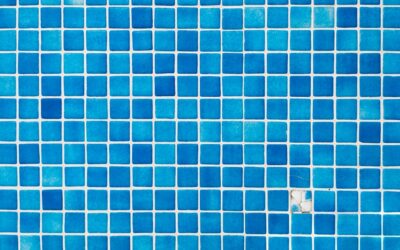
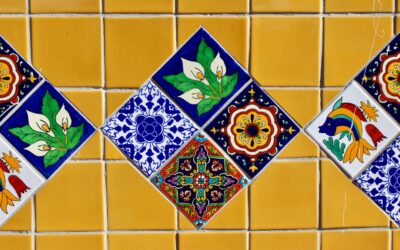
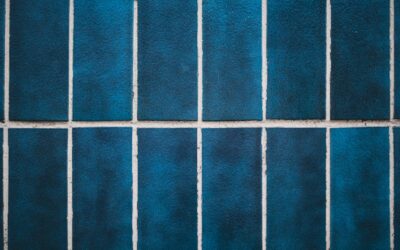
Blue ceramic tile is one of the most enduring ways to bring color, depth, and personality into a home without committing to a full renovation. From the deep cobalt of a Mediterranean kitchen to the soft seafoam of a coastal bathroom, blue tile reads as both fresh and timeless, which is exactly why it keeps reappearing in design trends decade after decade.
Part of our Tile & Grout guide — explore the full guide →
Whether you are dreaming of a statement backsplash, a serene shower surround, or an eye-catching accent wall, this guide covers the shades, finishes, layouts, costs, installation basics, and care routines you need to choose blue ceramic tile with confidence and avoid common regrets.
Why Blue Ceramic Tile Endures
Blue occupies a rare position in design: it feels both calming and energizing depending on the shade, and it pairs effortlessly with the white, gray, brass, and natural wood tones common in modern homes. Ceramic, meanwhile, is an affordable, easy-to-clean material that takes glaze beautifully, giving blue its remarkable range of saturation and sheen.
Unlike a bold paint color that can feel dated quickly, glazed blue tile has a handcrafted, permanent quality that ages gracefully. It nods to centuries of tradition, from Portuguese azulejos to Moroccan zellige, while still looking right at home in a contemporary kitchen.
Choosing the Right Shade of Blue
The shade you pick sets the entire mood of the room, so it pays to think beyond simply “blue”:
- Cobalt and royal blue: Rich and dramatic, ideal for a statement backsplash or a powder room where boldness is welcome.
- Navy and deep indigo: Moody and sophisticated, pairing well with brass fixtures and white counters.
- Sky and powder blue: Light and airy, perfect for small bathrooms and coastal-inspired spaces.
- Seafoam and teal: A blue-green crossover that feels calming and works beautifully in showers.
- Slate and gray-blue: Muted and modern, a safe choice for those who want color without commitment.
Lighting changes everything, so always view samples in the actual room at different times of day. A cobalt that looks vibrant in the showroom can turn nearly black in a dim corner.
Finishes and Textures
Ceramic tile glaze comes in several finishes, and each changes how blue presents itself:
- Glossy: Reflects light, deepens the color, and brightens a space, though it shows water spots more readily.
- Matte: Softer and more understated, with better slip resistance for floors.
- Handmade and zellige-style: Subtle color variation and uneven surfaces that catch light differently across each tile, creating a living, artisanal look.
- Crackle glaze: A fine network of decorative cracks in the glaze for a vintage feel, though it usually requires sealing.
Popular Layouts and Shapes
Shape and layout influence the final look as much as color does. Classic subway tile in blue offers a clean, familiar grid, while running it in a herringbone or vertical stack gives a more current twist. Hexagons, fish-scale (scallop) shapes, and penny rounds lean playful and are popular for shower floors and accent niches. For a bold, fully tiled wall, larger square or rectangular formats keep grout lines to a minimum and let the color dominate.
Where to Use Blue Ceramic Tile
Blue ceramic tile is most often used on walls and backsplashes, where its color can shine without the wear concerns of a floor. Kitchen backsplashes, bathroom walls, shower surrounds, and fireplace facades are all excellent candidates. On floors, glazed ceramic can work in low-traffic spaces, but for busy areas you will want a tile rated for floor use with adequate hardness and slip resistance. Always check the manufacturer’s PEI wear rating and confirm the tile is intended for floors before installing it underfoot.
What Blue Ceramic Tile Costs
Ceramic is one of the more budget-friendly tile materials, though handmade and designer lines climb quickly. Use these figures as planning estimates rather than firm quotes:
- Standard glazed ceramic: Often around $2 to $8 per square foot for the material.
- Handmade, zellige, or specialty shapes: Commonly $10 to $30 or more per square foot.
- Professional installation: Frequently $7 to $15 per square foot depending on layout, surface prep, and your region.
Intricate patterns, mosaics, and irregular handmade tiles take longer to set and therefore cost more to install. Budget a little extra material, typically 10 to 15 percent overage, to account for cuts, breakage, and future repairs.
Installation Basics
A blue tile backsplash on a flat, prepared wall is a realistic project for a confident do-it-yourselfer, while large floors, shower waterproofing, and handmade tiles with uneven edges are better left to a professional. Whoever does the work, a few fundamentals apply:
- Start with a clean, flat, and properly prepared substrate; bathrooms and showers need correct waterproofing.
- Use the thinset and trowel size recommended for your tile, and back-butter handmade tiles for full coverage.
- Dry-lay a section first to confirm spacing, especially with variable handmade pieces.
- Choose grout color deliberately: a matching grout makes the wall feel seamless, while white or contrasting grout emphasizes each tile’s shape.
Follow the manufacturer’s instructions for thinset, grout joint width, and cure times, and use eye protection when cutting tile with a wet saw or snap cutter.
Care and Maintenance
One of ceramic’s great virtues is how easy it is to maintain. Glazed blue tile resists stains and wipes clean with a damp cloth and a pH-neutral cleaner. Avoid abrasive pads and harsh acids that can dull the glaze over time. The grout, rather than the tile, needs the most attention; seal cement-based grout after installation and reseal it periodically, particularly in wet areas, to keep it from staining and to protect the crisp look of your blue tile.
With proper installation and minimal upkeep, blue ceramic tile can stay vibrant for decades. It is a confident, characterful choice that brings lasting color to a home, and because the surface is so durable, you get to enjoy that color long after a painted accent wall would have needed a refresh.
Tips to Avoid Common Regrets
Most disappointments with blue tile come down to a handful of avoidable mistakes. The first is ordering from a single online photo; screen colors shift dramatically, so request physical samples before committing. The second is forgetting about dye lots. Ceramic tile from different production runs can vary slightly in shade, so buy all the tile for a project at once and confirm the lot numbers match. The third is ignoring how a bold blue interacts with surrounding finishes. Hold your samples against your countertop, cabinet, and paint choices together rather than judging the tile in isolation.
Finally, think about longevity of taste, not just durability. A muted slate-blue or classic navy tends to feel fresh far longer than a trend-driven shade, so if you are tiling a large or permanent surface, lean toward versatile blues and save the daring tones for small, easily changed accents. Make those decisions carefully and blue ceramic tile rewards you with a finish that looks intentional and timeless for many years.
Prefer to explore on your own?
See how new flooring looks in your actual room in seconds — free, no signup.
Try the free Floor Studio →