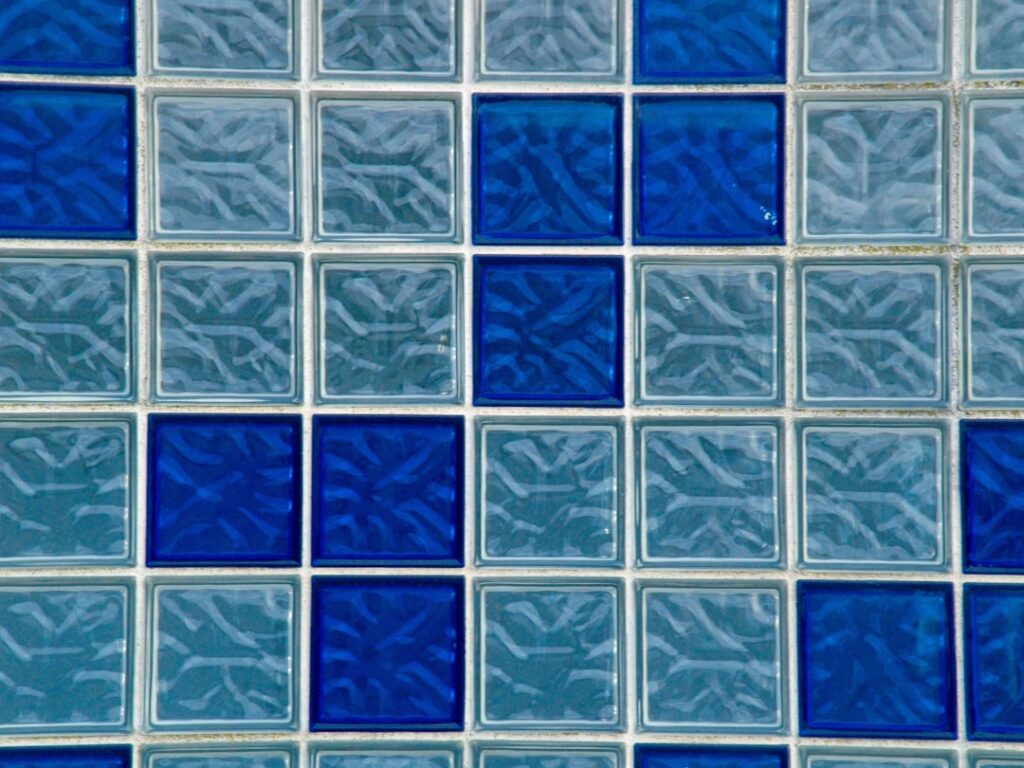
Few materials transform a kitchen as quickly as glass. A blue glass tile backsplash catches daylight, bounces it around the room, and gives even a builder-grade kitchen a custom, spa-like feel that painted walls simply can’t match. Blue is having a long moment for good reason: it pairs beautifully with white cabinets, warm wood, and stainless steel, and it hides fewer sins than you’d think because glass wipes clean in seconds. Before you fall for a sample chip under store lighting, though, it helps to understand how shade, finish, and layout will actually read on your wall.
Part of our Kitchen Remodeling guide — explore the full guide →
- Why Glass Tile Works So Well Behind a Counter
- Choosing Your Shade of Blue
- Popular Tile Shapes and Layouts
- What a Blue Glass Backsplash Costs
- Installing Glass Tile: What's Different
- Pairing It With the Rest of Your Kitchen
- Care and Longevity
- Is It Right for You?
- Glass vs. Ceramic and Porcelain
- Frequently Asked Questions
Why Glass Tile Works So Well Behind a Counter
Glass is nonporous, which is the practical superpower here. Grease, tomato splatter, and hard-water spots sit on the surface instead of soaking in, so a damp microfiber cloth handles daily cleanup. Unlike natural stone, glass never needs sealing. It’s also reflective, so a backsplash effectively adds a second, softer light source above your counters, brightening the work zone where you actually need it. In a small or north-facing kitchen, that light-bouncing quality can make the whole room feel larger and cleaner.
Choosing Your Shade of Blue
Blue is a range, not a single color, and the tone you pick sets the entire mood of the room. Test large samples on your wall at different times of day before committing.
- Aqua and turquoise — bright and coastal, gorgeous with white shaker cabinets and light quartz for a beachy, relaxed kitchen.
- Cobalt and royal blue — bold and saturated, a statement color that shines against neutral counters and warm brass hardware.
- Navy and deep indigo — sophisticated and grounding, especially striking with white or gray cabinets and gold accents.
- Slate and gray-blue — muted and modern, a safe, timeless choice that reads almost neutral in most light.
Glass also comes in finishes that change the effect: glossy tile maximizes reflection and sparkle, frosted or matte glass gives a softer, more contemporary look, and iridescent tiles shift color as you move past them, which can be stunning or busy depending on the rest of your kitchen.
Popular Tile Shapes and Layouts
The shape you choose is as important as the color. Subway-shaped glass in a 3×6 format laid in a running bond is the most forgiving and classic. Small mosaic sheets, typically 1-inch squares or mini bricks mounted on a mesh backing, install faster around outlets and curves because the sheets flex. For something more current, consider these options:
- Vertical stacked subway tiles to draw the eye up and emphasize ceiling height.
- Herringbone mosaic for movement and a high-end custom look.
- Penny round or hexagon glass for a playful, textured surface.
- Linear glass planks that mimic the long lines of modern design.
What a Blue Glass Backsplash Costs
Glass tile sits in the mid-to-upper range of backsplash materials. Expect to pay roughly $12 to $30 per square foot for the tile itself, with designer or hand-cut mosaics climbing to $40 or more. A typical kitchen backsplash covers 25 to 40 square feet. Professional installation adds about $10 to $20 per square foot in labor, because glass demands more care, a wet saw with a proper glass blade, white thinset to keep the color true, and slower, more precise cutting. All in, a standard kitchen backsplash usually lands between $800 and $2,000 installed. DIY cuts that nearly in half if you’re comfortable with a tile saw.
Installing Glass Tile: What’s Different
Glass is unforgiving in ways ceramic is not, so a few rules matter. Always use white thinset mortar, never gray. Because glass is translucent, gray mortar shows through and muddies the color. Spread the thinset, then knock down the ridges with the flat side of the trowel so trowel lines don’t ghost through the finished tile.
Cut glass with a diamond blade rated for glass and go slow to prevent chipping; scoring nippers work for small mosaic pieces. Back-butter larger tiles for full coverage. When you grout, use an unsanded grout on glass, since sanded grout can scratch the glossy surface, and choose a grout color deliberately, a bright white makes each tile pop while a gray or blue-gray blurs the grid for a more seamless field. Wipe glass clean promptly; haze sets fast on a nonporous surface.
Pairing It With the Rest of Your Kitchen
Blue reads best when the surrounding finishes give it room to breathe. With white or off-white cabinets, almost any blue works. With gray cabinets, lean into navy or slate for a monochrome, tailored look. Warm wood cabinets love aqua and teal, which echo a coastal palette. For countertops, white quartz or a light granite lets the backsplash be the star; busy, heavily veined stone can fight a bold tile, so keep one surface quiet. Hardware and faucet finishes tie it together: brushed brass and gold warm up cool blues, while polished chrome and matte black keep things crisp and modern.
Care and Longevity
A glass backsplash is one of the lowest-maintenance surfaces in the kitchen. Wipe it with a soft cloth and a mild dish soap or a glass cleaner; skip abrasive pads and gritty powders that could dull the finish. The grout lines are the only part that needs attention, so seal cement-based grout once a year, or choose an epoxy grout during installation to skip sealing entirely. Done well, a quality glass tile backsplash easily lasts 20 years or more without fading, since the color is fired into the glass rather than printed on the surface.
Is It Right for You?
If you want color, easy cleaning, and a surface that makes your kitchen feel brighter, blue glass is hard to beat. It costs a bit more than plain ceramic and demands a careful installer, but the payoff is a durable, luminous focal point that stays stylish for decades. Order 10 percent extra tile for cuts and future repairs, view your samples in your own kitchen’s light, and commit to a shade you’ll still love long after the trend cycle moves on. A blue glass backsplash rarely disappoints when the shade and the surrounding finishes are chosen with a little patience.
Glass vs. Ceramic and Porcelain
Homeowners often weigh glass against ceramic or porcelain subway tile, and the differences are worth understanding before you spend. Ceramic is the budget champion at $2 to $10 per square foot, easy to cut, and available in endless colors, but it lacks the depth and light-catching quality of glass, and colored glazes can chip to reveal a different color underneath. Porcelain is denser and tougher than ceramic, ideal for high-traffic areas, though it’s usually chosen for floors more than backsplashes. Glass wins on luminosity, on true color that runs all the way through the tile, and on that easy nonporous cleanup, at the cost of a higher price and a fussier installation. For a backsplash, which sees splatter but no foot traffic, glass’s strengths line up perfectly with the job.
Frequently Asked Questions
Does blue glass tile show water spots and fingerprints?
Glossy glass can show water spots in a bright kitchen, much like a mirror, but they wipe away instantly with a glass cleaner. If low maintenance is a priority, a frosted or satin-finish glass hides spots better while keeping the color. Either way, glass is far easier to keep looking clean than porous stone or grout-heavy ceramic.
Can I install glass tile over an existing backsplash?
It’s possible if the existing surface is flat, sound, and well-bonded, but results are better installing on clean drywall or cement board. Glass shows every imperfection beneath it because it’s translucent, so a smooth, level substrate matters more with glass than with opaque tile. When in doubt, remove the old backsplash first.
Will a bold blue backsplash hurt resale value?
A tasteful blue, especially navy, slate, or a soft aqua, tends to read as an upgrade rather than a liability, since blue is broadly popular and pairs with neutral cabinets. Very saturated or trendy shades are more polarizing, so if resale is a near-term concern, lean toward a versatile blue that most buyers will appreciate.
Prefer to explore on your own?
See how new flooring looks in your actual room in seconds — free, no signup.
Try the free Floor Studio →