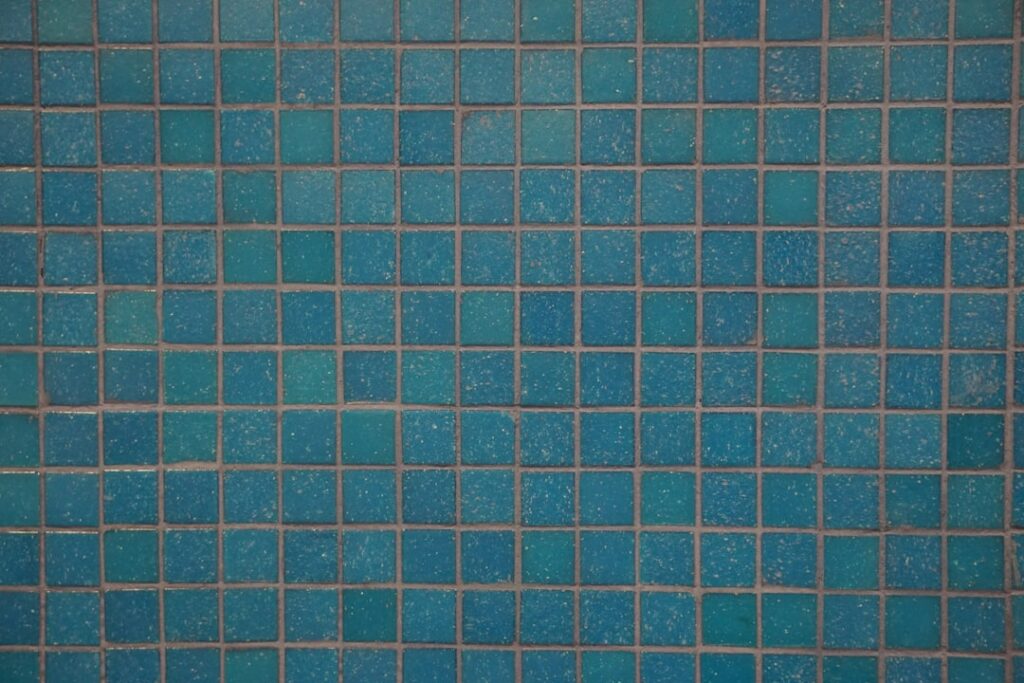
Few upgrades transform a kitchen as quickly as a blue mosaic tile backsplash. The small-format pieces catch light differently across the surface, the color brings a calming, coastal, or richly dramatic mood depending on the shade, and the grid of grout lines adds texture that a plain painted wall simply cannot match. If you are considering blue mosaic for your kitchen or bathroom, understanding the shades, materials, and installation details will help you get a result you love rather than one you tolerate.
Part of our Kitchen Remodeling guide — explore the full guide →
- Why Blue Works So Well as a Backsplash
- Choosing the Right Shade of Blue
- Mosaic Materials to Consider
- What a Blue Mosaic Backsplash Costs
- Installing a Blue Mosaic Backsplash
- Grout Color Changes Everything
- Pairing Blue with the Rest of the Kitchen
- Caring for a Blue Mosaic Backsplash
- Design Layouts and Focal Points
- Making the Right Choice for Your Space
Why Blue Works So Well as a Backsplash
Blue is one of the most versatile backsplash colors because it spans an enormous emotional range. A pale sky or seafoam blue reads fresh and airy, ideal for cottage and coastal kitchens. A deep navy or cobalt feels sophisticated and grounding, pairing beautifully with white cabinets and brass hardware. Teal and turquoise bring energy and a hint of retro character. Because blue sits opposite warm wood and brass tones on the color wheel, it creates pleasing contrast that makes both elements pop.
Mosaic format amplifies the effect. Instead of a single flat color, a mosaic blends several tones or finishes across hundreds of tiny tiles, giving the wall subtle movement and reflectivity. Glass mosaics in particular seem to glow when hit by under-cabinet lighting.
Choosing the Right Shade of Blue
The shade you pick should respond to the rest of the room, especially cabinet color and natural light.
- Light blues (sky, powder, seafoam) open up small or north-facing kitchens and keep the space feeling bright.
- Mid blues (denim, cornflower, slate blue) are the safest all-rounders, adding color without overwhelming.
- Deep blues (navy, cobalt, indigo) create drama and look striking against white or cream cabinetry, but need good lighting so they do not feel heavy.
- Blue-greens (teal, turquoise, aqua) inject personality and pair well with natural wood and warm metals.
Mosaic Materials to Consider
Blue mosaics come in several materials, and each behaves differently in terms of look, durability, and cleaning.
Glass mosaic is the most popular for blue backsplashes because the color is vivid and the surface reflects light beautifully. It is non-porous, stain-resistant, and easy to wipe down, though it can chip if struck hard and shows fingerprints and water spots.
Ceramic and porcelain mosaic offer a more matte, understated look, excellent durability, and lower cost. They come in glossy or satin glazes and handle heat and moisture well.
Natural stone mosaic, such as blue-toned marble or a stone-and-glass blend, adds organic variation and a high-end feel but requires sealing and gentler cleaning because it is porous.
Penny rounds, hexagons, and subway mosaics are shape choices layered on top of material. Penny rounds feel playful and vintage, elongated hexagons feel modern, and mini subway mosaics blend classic form with mosaic texture.
What a Blue Mosaic Backsplash Costs
Mosaic tile is sold by the sheet, usually 12×12 inches, mounted on mesh backing. Prices vary widely by material:
- Ceramic mosaic: $8 to $20 per square foot.
- Glass mosaic: $15 to $40 per square foot.
- Natural stone or stone-glass blend: $20 to $50 per square foot.
A typical kitchen backsplash covers 30 to 45 square feet. Material alone runs $300 to $2,000 depending on your choice. Professional installation adds $10 to $25 per square foot, since mosaics are more labor-intensive to set than large tiles. A full professionally installed blue mosaic backsplash commonly lands between $700 and $2,500.
Installing a Blue Mosaic Backsplash
Mosaic sheets make DIY installation feasible for a confident homeowner, though the small pieces demand patience and clean grout lines.
- Prep the wall. Clean, sand glossy paint, and make sure the surface is flat and dry. Remove outlet covers and shut off power.
- Plan the layout. Find the center and dry-lay sheets so cuts fall at the edges and corners rather than the focal point.
- Apply thinset or mastic. Use a small notched trowel; too much adhesive squeezes up between the tiny tiles.
- Set the sheets. Press each sheet in, aligning the seams so the grout gaps between sheets match the gaps within them.
- Cut edges. Use nippers or a wet saw for outlets and end pieces.
- Grout and seal. Choose a grout color that either blends or contrasts, then seal if using cement grout or stone tile.
Grout Color Changes Everything
With mosaics, grout is a major design decision because there is so much of it. A white or light gray grout keeps the look crisp and lets the blue read cleanly. A darker gray or charcoal grout hides kitchen grime and makes each tile stand out with more definition. Matching the grout closely to the tile color creates a seamless field of blue, while a strong contrast emphasizes the grid pattern. Consider epoxy grout in a kitchen; it resists stains and never needs sealing.
Pairing Blue with the Rest of the Kitchen
- White cabinets: The classic pairing; any shade of blue looks fresh and clean.
- Gray cabinets: Mid to deep blues add warmth and prevent an all-gray scheme from feeling cold.
- Wood tones: Blue-green and teal mosaics complement natural oak and walnut beautifully.
- Brass and gold hardware: Warm metals make navy and cobalt feel luxurious.
- Countertops: White quartz or marble lets the backsplash be the star; butcher block adds cozy contrast.
Caring for a Blue Mosaic Backsplash
One of the reasons a blue mosaic backsplash is so practical in a kitchen is how easy it is to keep clean, though the care differs by material. Glass and glazed ceramic mosaics wipe down with a damp cloth and mild dish soap, and they resist grease and food splatter well. Avoid abrasive scrubbing pads and harsh acidic cleaners on glass, which can dull or scratch the surface over time. A microfiber cloth and a general kitchen cleaner keep the tiles bright.
The grout is where maintenance really lives. Cement-based grout is porous and will absorb grease and stains behind a stove unless it is sealed, so plan to seal it after installation and reapply sealer once a year in a busy kitchen. This is precisely why many homeowners choose epoxy grout for a backsplash: it never needs sealing, resists stains completely, and wipes clean indefinitely. If you went with natural stone mosaic, seal both the stone and the grout, and clean only with pH-neutral products, since acidic cleaners etch stone.
Design Layouts and Focal Points
Beyond the tile itself, how you lay out a blue mosaic backsplash shapes the whole kitchen’s feel. The most common approach is a continuous run of mosaic across the entire backsplash, from countertop to upper cabinets, which creates a unified band of color and reflection. For a more budget-conscious or restrained look, some homeowners run a simple field tile across most of the wall and reserve the blue mosaic for a focal area behind the range or cooktop, framing it like artwork.
A full-height mosaic behind an open shelving wall or a range hood makes a dramatic statement, especially in deep navy or cobalt. Consider how the mosaic meets its edges: a metal or matching tile trim gives a clean finish where the backsplash ends, while running the tile fully into corners and up to the underside of cabinets looks the most built-in. Taking time to plan the focal point and the edges is what turns a simple tile job into a designed feature.
Making the Right Choice for Your Space
A blue mosaic tile backsplash is a design statement, so let the room guide the intensity. In a small or dim kitchen, lean toward lighter glass mosaics that bounce light. In a spacious, well-lit kitchen with white cabinets, a deep navy or cobalt mosaic can become a stunning focal point. Order a sample sheet, tape it to the wall, and live with it through different times of day before committing, because blue shifts noticeably between morning daylight and evening under-cabinet light.
Get the shade, material, and grout right, and a blue mosaic backsplash rewards you every day with color and craftsmanship. It is durable, easy to clean, and endlessly adaptable, making it one of the most satisfying mid-range upgrades you can bring to a kitchen or bath.
Prefer to explore on your own?
See how new flooring looks in your actual room in seconds — free, no signup.
Try the free Floor Studio →