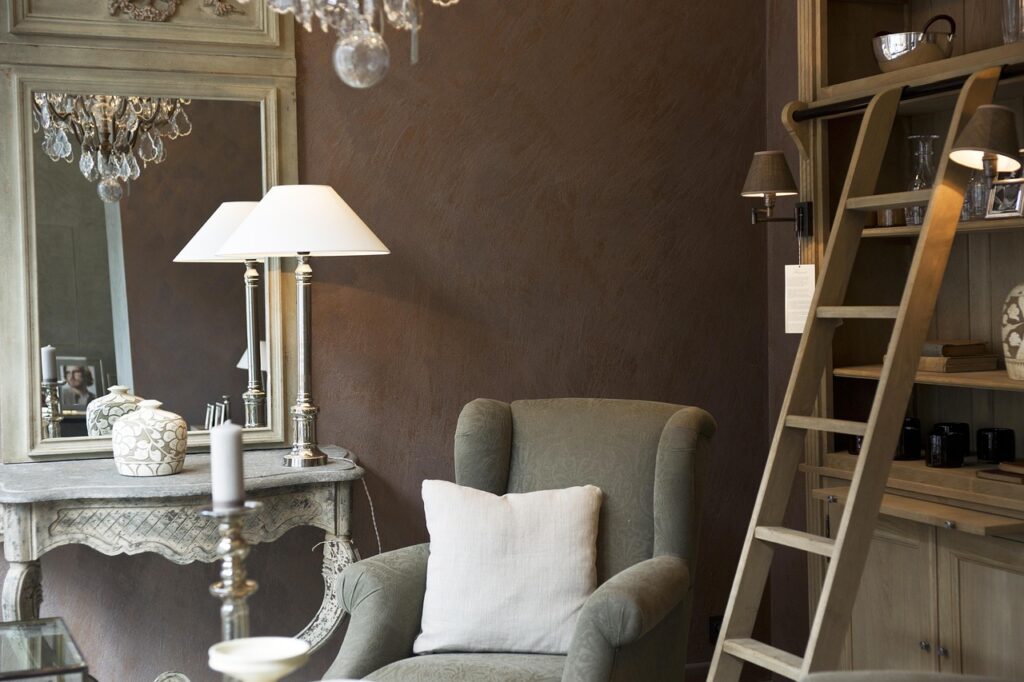
Open floor plans are great until you need a place for a desk, a bed or a reading corner that does not feel like it sits in the middle of everything. A bookshelf room divider gives you a boundary and a storage wall in one piece of furniture, and unlike a stud wall it needs no permit, no drywall and no paint. It also lets light pass through the open shelves, so neither side of the room goes dark.
The short version: choose an open-back, double-sided bookcase or cube shelving unit that looks finished on both sides, keep tall units to a height you can secure, and anchor anything over about 30 inches tall to the floor, ceiling or an adjacent wall so it cannot tip. Load heavy books low, keep the top light and leave walkways at least 36 inches wide.
Design ideas, unit types, anchoring methods, load limits, layout tips and fixes for common problems all follow, so you can build a divider that looks good and stays put.
Why a Bookshelf Room Divider Works
A freestanding shelf unit placed perpendicular to a wall, or floating in the middle of a room, creates a visual edge without closing anything off. You get several benefits at once:
- Storage where you need it: books, baskets, plants and display pieces live in the divider instead of on the floor.
- Light and airflow: open shelves let daylight from windows reach the far side of the room and keep heating and cooling air moving.
- Flexible zones: separate a living room from a dining area, a bed from a studio’s entry or a kids’ play corner from a home office.
- Reversible: unlike a framed wall, it moves with you, which suits renters.
The trade-off is privacy and sound. Open shelving blocks view only where items fill the cubbies, and it does almost nothing for noise. If you need a true bedroom with a door, a framed partition is the right tool.
Types of Shelving That Divide Well
Open Double-Sided Bookcases
A double sided bookshelf room divider has no back panel and finished surfaces on both faces, so it looks intentional from every angle. Ladder-style and open-frame designs feel light, while solid wood units with thick sides look more built in.
Cube Shelving Units
Grid-style cube bookcases, often in 2×4, 4×4 or 5×5 configurations, are the most popular option because they are affordable, sturdy and modular. Each cube is usually about 13 inches square. Fabric or wicker bins slide into some cubes for closed storage, which makes a room divider with storage bins that hides clutter while leaving other cubes open for books and plants. Mixing open and closed cubes in a checkerboard gives partial privacy without a solid wall.
Low Console-Height Dividers
Units around 30 to 42 inches tall define a space without blocking sightlines. They work well behind a sofa, between a kitchen and dining area or at the foot of a bed. Low units are much less likely to tip, and the top can serve as a sofa table or landing surface.
Tension-Pole and Floor-to-Ceiling Units
Some shelving systems use adjustable poles that press against the floor and ceiling. These create a full-height divider without drilling into walls, though they still need solid ceiling framing above and careful tightening.
Built-In Style Dividers
A carpenter can build a permanent half-wall or full-height shelving partition attached to floor and ceiling framing. It costs more but looks like architecture rather than furniture.
Bookshelf Divider Ideas by Room
- Studio apartment: a 4×4 or 5×5 cube unit at the foot of the bed screens the sleeping zone from the entry. Fill the bed side with closed bins for clothes and the living side with books.
- Living and dining: a console-height double-sided bookcase behind the sofa defines the living area while keeping the room open.
- Home office corner: a tall unit perpendicular to the wall creates a work nook and hides the desk from the main room. Put files and supplies on the office side.
- Shared kids’ room: a low cube unit between beds gives each child their own shelves. Keep it low, around 30 to 36 inches, and anchor it.
- Entryway: a narrow shelf near the door creates a foyer with space for baskets, shoes and keys.
- Basement: separate a family room from a laundry or storage area with closed bins facing the utility side.
Among the many bookshelf divider ideas, the most successful layouts leave a clear walkway of at least 36 inches and keep the divider off heating registers and away from returns.
Anchoring and Tip-Over Prevention
This is the part people skip, and it matters. A tall bookcase standing in the middle of a room has no wall behind it, so a child climbing the shelves, a pet jumping up or an unevenly loaded shelf can pull it over. Furniture tip-overs injure thousands of children every year, and freestanding dividers are more vulnerable than wall-backed bookcases.
Use one or more of these anchoring methods for any unit taller than about 30 inches:
- Anchor to an adjacent wall. The easiest setup runs the divider perpendicular to a wall. Use a steel L-bracket or furniture strap from the end of the unit into a wall stud with a wood screw at least 2.5 inches long. Find studs with a stud finder and confirm with a small test nail. Drywall anchors alone are not enough.
- Anchor to the floor. Fasten L-brackets from the bottom shelf or base rail into the subfloor below. On wood subfloors, drive screws through the flooring into the subfloor and, ideally, a joist. On concrete, use concrete screws in predrilled holes. Plan ahead on floating floors: fasten through a hole sized larger than the screw so the floor can still move, or anchor to the wall or ceiling instead.
- Anchor to the ceiling. For full-height units, run brackets from the top of the unit into a ceiling joist or into blocking between joists. A single bracket into drywall without framing behind it will pull out.
- Join units together. Two cube units bolted back to back or side by side in an L shape create a much wider base and resist tipping far better than a single tall unit.
Before drilling into floors, walls or ceilings, check for hidden wiring, pipes and ducts with a stud finder that detects AC and metal, and avoid drilling directly above or below outlets and switches. If you are unsure what is in a ceiling cavity, ask a contractor.
Load Limits and Loading Smart
Books are heavier than they look. A full foot of hardcover books can weigh 20 to 30 pounds, and many particleboard shelves are rated for 20 to 35 pounds per shelf or cube. Solid wood and plywood shelves typically carry more, but span matters: a shelf longer than about 30 inches will sag under heavy books unless it is thick or supported in the middle.
- Check the manufacturer’s weight rating per shelf and for the unit overall, and stay under it.
- Put the heaviest items on the bottom shelves and keep the top light.
- Balance both sides of a double-sided unit so it does not lean toward one face.
- Do not let children climb shelves, and do not put televisions or heavy electronics on the top of a freestanding divider.
- Use bins for small items so they do not get pushed out the open back onto the other side.
Step-by-Step: Setting Up a Cube Shelf Divider
- Measure the room and mark the divider location with painter’s tape. Live with the tape for a day to check walkways, door swings and furniture spacing.
- Assemble the unit on a soft surface, using wood glue on the joints if the instructions allow, which greatly stiffens cube units.
- Stand the unit with two people and set it in place. Use a level and shim under the base if the floor is uneven.
- Locate studs, joists or blocking and install anti-tip brackets or straps.
- Load heavy items low, then fill upper cubes with lighter books, plants and bins.
- Add felt pads or a thin rug pad underneath to protect hardwood floors.
Cost Ranges
Budget cube units start around $60 to $150 for a 2×4 or 4×4 grid. Mid-range double-sided bookcases in solid wood or quality veneer run about $200 to $800. Custom built-in shelving partitions from a carpenter generally run $1,500 to $5,000 or more depending on size, material and finish. Bins, anchoring hardware and felt pads add a modest amount.
Troubleshooting
- Unit wobbles side to side: cube units rack when joints loosen. Tighten all cam locks, add glue blocks or a thin back strip on one bay, or bolt two units together.
- Shelves sag: move heavy books down, add a center support or replace with thicker plywood shelves.
- Divider shifts on hardwood: add rubber-backed pads and anchor the unit.
- Room feels cramped: switch to a lower unit or leave more cubes open so light passes through.
- Back side looks messy: use matching bins on both faces or arrange books spine-out on one side and decor on the other.
When to Call a Pro
Hire a carpenter for full-height built-in dividers, units attached to ceiling framing you cannot locate or anything that will carry a very heavy collection. If your divider will enclose a sleeping area, remember it does not create a legal bedroom; for that you need a framed wall, an egress window and smoke alarms, which usually requires a permit. Call a licensed electrician if you want to add outlets or lighting to a built-in divider.
Frequently Asked Questions
Do I need to anchor a bookshelf room divider?
Yes, for any unit taller than about 30 inches. Freestanding dividers have no wall behind them, so anchor them to an adjacent wall stud, the floor, ceiling joists or a second unit to prevent tip-over.
What kind of bookcase works best as a room divider?
Open, double-sided units with finished faces on both sides work best. Cube shelving is popular because it is sturdy, modular and accepts storage bins.
How much weight can a cube shelf hold?
Many particleboard cubes are rated for roughly 20 to 35 pounds each, while solid wood shelves usually hold more. Always check the specific rating and keep heavy books on the lowest shelves.
Can a bookshelf divider block sound?
Not much. Full shelves soften echo slightly, but the open back and gaps at the top let sound pass. Use a framed wall for real noise control.
How tall should a room divider bookcase be?
Console-height units of 30 to 42 inches define zones without blocking views. Taller units of 60 to 72 inches give more privacy but must be securely anchored.