If you have spotted small bald patches in your wool rug or shed larval skins along the baseboards, boric acid for carpet beetles is one of the most reliable low-cost treatments you can run yourself. I have used it on job sites and in my own home, and when it is applied correctly it quietly wipes out the larvae that do the actual damage without filling your house with harsh aerosol chemicals.
This guide walks through exactly how boric acid works, where to put it, how long to leave it, and how to stay safe around pets and kids. Done right, a $5 to $15 container will handle a room-sized infestation over a few weeks.
How Boric Acid Actually Kills Carpet Beetles
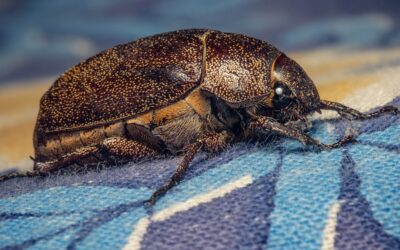
Carpet beetle adults are mostly harmless nuisance insects that fly in through windows and lay eggs. It is the larvae — those fuzzy, striped, bristly little grubs about 1/8 to 1/4 inch long — that chew through wool, silk, feathers, and other natural fibers. Boric acid targets that larval stage, which is where you want to concentrate your effort.
Boric acid is a slow-acting stomach and contact poison. As larvae crawl across a dusted surface, the fine powder clings to their bodies and is ingested during grooming and feeding. Once inside, it disrupts their digestive system and metabolism, and it also abrades the waxy outer cuticle so they dry out. Death takes a few days rather than minutes, but that slow action is a feature — the larvae spread the powder as they move, treating spots you never dusted directly.
What to Buy and What It Costs
You have two easy options at the hardware store or online. Straight boric acid powder such as Zap-A-Roach or Harris Boric Acid runs about $8 to $15 and comes with a puffer applicator. Alternatively, 20 Mule Team Borax — the laundry booster in the detergent aisle — is closely related sodium borate and works nearly as well for around $5 a box, though it is a bit coarser than pharmaceutical-grade boric acid.
- Fine boric acid powder: best penetration into carpet fibers, comes with a bellows duster.
- 20 Mule Team Borax: cheap, widely available, slightly less effective on dense pile.
- A separate hand duster: a $6 bulb duster gives you far better control than shaking from the box.
For a single 12-by-12 room, one container is plenty for several treatment rounds.
Step-by-Step Application
Preparation matters more than the dusting itself. Vacuum the entire area thoroughly first — carpet, edges, under furniture, closet floors — to remove eggs, larvae, and the lint and hair they feed on. Empty the canister or bag outside immediately so nothing crawls back out.
- Load your bulb duster with powder and work in a well-ventilated room.
- Apply a light, even dusting — you want a faint haze you can barely see, not visible white drifts. Too much powder actually repels insects and makes cleanup miserable.
- Focus on the hot zones: carpet edges where it meets baseboards, along tack strips, closet corners, under and behind furniture, and any bald or damaged patches.
- Work the powder down into the pile with a broom or a gloved hand so it reaches the carpet backing where larvae hide.
- Dust baseboard gaps, cracks, and floor register edges where larvae travel.
Dwell Time and Vacuuming
Leave the boric acid in place so larvae have time to contact and ingest it. For a light surface treatment you can leave it for 1 to 2 hours before vacuuming, but for stubborn infestations I prefer leaving it down overnight, or even for several days in low-traffic areas like closets and under beds. The longer it sits undisturbed, the more larvae wander into it.
When the dwell time is up, vacuum thoroughly to pull up dead larvae and excess powder. Then repeat the whole cycle once a week for three to four weeks. That schedule is deliberate — carpet beetle eggs hatch on a staggered timeline, so weekly reapplication catches each new wave of larvae before they mature and breed again.
Safety Around Pets, Kids, and Food
Boric acid is far gentler than most sprays, but it is not harmless. It is a low-toxicity poison, so treat it with common-sense respect.
- Keep children and pets out of freshly treated rooms until you have vacuumed up the powder.
- Never apply it to kitchen counters, dining tables, cutting boards, or any surface that touches food.
- Wear a dust mask and gloves while applying — inhaling the fine powder can irritate your lungs and throat.
- Do not dust exposed areas where a curious dog or toddler will lick or crawl; concentrate it under and behind furniture instead.
- Store the container sealed and out of reach.
Used with these precautions, boric acid is one of the safer choices for a home with a cat or dog compared to pyrethrin foggers.
Combine It With Vacuuming and Laundering
Boric acid works best as one part of a broader assault rather than a standalone fix. The larvae feed on natural fibers and organic debris, so cutting off that food supply speeds everything up.
Launder or dry-clean affected clothing, blankets, and linens — washing in hot water at 120°F or above and drying on high heat kills every life stage. Vacuum upholstered furniture, closet shelves, and under heavy items you rarely move. Steam cleaning wool carpet and rugs adds heat that boric acid alone cannot deliver. Seal or discard heavily infested wool items that are not worth saving, since they act as a breeding reservoir.
Common Mistakes That Waste Your Effort
Most failed boric acid treatments trace back to a handful of avoidable errors. The biggest is dumping on too much powder in the belief that more is better. Heavy white piles actually repel insects, get tracked around the house, and take forever to vacuum out — a barely visible haze outperforms a thick coat every time.
- Quitting too soon: one application never reaches the eggs that hatch days later. Commit to the full weekly cycle.
- Skipping the vacuum prep: dusting over lint and hair just feeds the larvae and buries the powder above them.
- Ignoring vertical surfaces: larvae climb walls and hide behind trim, so treat baseboard gaps, not just open floor.
- Applying to damp carpet: boric acid clumps and loses its dusting action on wet fibers. Let carpet fully dry first.
How Effective Is It, and When to Escalate
For a typical household infestation caught early, a diligent four-week boric acid program combined with vacuuming and hot laundering clears the problem in the large majority of cases. The main reasons treatments fail are applying too much powder, quitting after one round, or missing a hidden food source like a wool blanket in a storage bin or a dead animal in a wall cavity.
If you still see live larvae after a month of consistent treatment, or the infestation spans multiple rooms and closets, bring in a professional exterminator. A pro treatment usually runs $100 to $300 and pairs residual insecticides with a thorough inspection to find the source you missed. For most homeowners, though, a modest investment in boric acid, a duster, and a few weeks of routine gets carpet beetles under control without ever picking up the phone.
Prefer to explore on your own?
See how new flooring looks in your actual room in seconds — free, no signup.
Try the free Floor Studio →