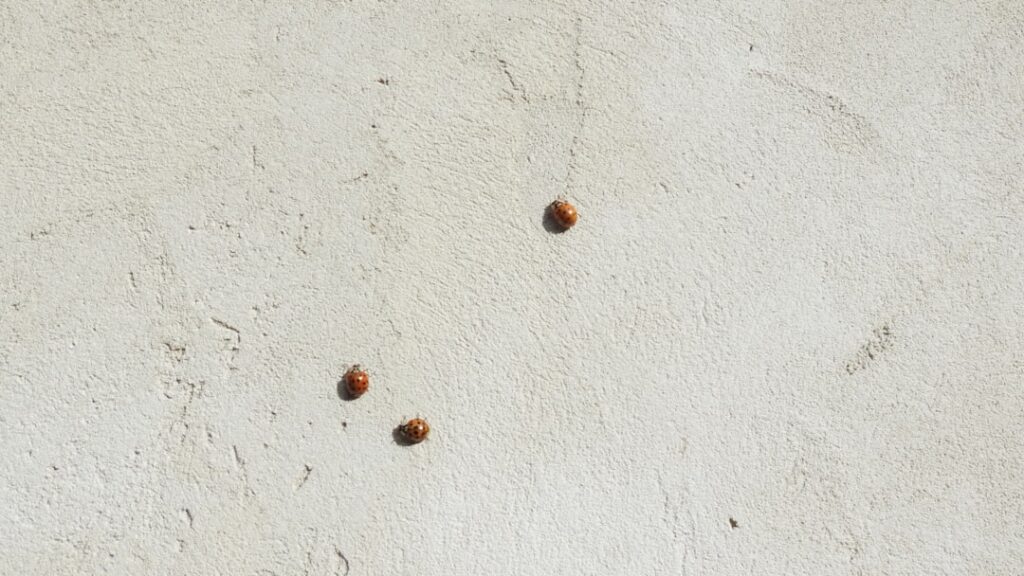
When you find small, mottled bugs near a window or notice damage to a wool sweater, searching for pictures of carpet beetles is a smart first step toward identifying what you are dealing with. Because the adult beetles and their larvae look very different from one another, and because they are easy to confuse with other household insects, knowing exactly what to look for saves time and prevents misdirected treatment.
This guide describes what carpet beetles look like at each life stage, where they live, the damage they cause, and the practical, EPA-aligned steps you can take to control them. While this article relies on detailed descriptions rather than actual photographs, the specifics here will help you confirm whether carpet beetles are the culprit and decide on your next move.
What Adult Carpet Beetles Look Like
Adult carpet beetles are small, typically around one-sixteenth to one-eighth of an inch long, which is roughly the size of a pinhead to a small seed. They have a rounded, oval body shape that can look almost dome-like from above.
Coloring varies by species. The common varied carpet beetle has a mottled pattern of white, brown, and yellowish scales, giving it a speckled appearance. Other species, such as the black carpet beetle, are solid dark brown to black and shiny. Because adults are attracted to light and feed on pollen, you often spot them near windowsills, on curtains, or close to light fixtures. From a distance they can resemble tiny ladybugs or specks of dirt, so a close look at the rounded shape and patterned shell is the key to telling them apart.
What the Larvae Look Like
The larvae cause the real damage, and they look nothing like the adults. A carpet beetle larva is small and elongated, often described as carrot-shaped or tapered, and covered in distinctive bristly hairs that can give it a fuzzy or banded look.
Larvae range in color from tan to brown with darker bands, and they tend to be more elusive than adults because they avoid light. You are most likely to find them in dark, undisturbed places: under furniture, along baseboards, in closets, inside stored clothing, and deep in carpet fibers. Many people also notice the shed skins the larvae leave behind as they grow, which look like empty, bristly cast-offs and are a strong sign of an active infestation even when you cannot find the larvae themselves.
Eggs and Life Cycle
Carpet beetles go through complete metamorphosis, moving from egg to larva to pupa to adult. The eggs are tiny, white to cream colored, and usually hidden in protected spots near a food source such as carpet edges, vents, or stored fabrics.
The larval stage is by far the longest and the most destructive, sometimes lasting many months depending on conditions and available food. Adults, by contrast, are relatively short-lived and focus on mating and laying eggs. Understanding this cycle matters because seeing a few adults near a window may mean larvae are already feeding somewhere out of sight, and breaking the cycle requires finding and cleaning those hidden larval sites, not just removing the visible adults.
Insects Often Confused With Carpet Beetles
Several common bugs get mistaken for carpet beetles, and correct identification changes how you respond. Comparing key features helps you rule out look-alikes.
- Bed bugs: Flat, reddish-brown, and lacking the rounded patterned shell of carpet beetles; they bite people, while carpet beetles do not feed on blood.
- Fleas: Narrow, fast-jumping insects, unlike the slow, rounded carpet beetle adult.
- Ladybugs: Much larger and brightly colored, though tiny carpet beetles can superficially resemble them.
- Booklice or other tiny pantry bugs: Often confused with larvae, but they lack the carpet beetle larva’s stiff bristly hairs.
The bristly, tapered larva and the shed skins are the most reliable identifiers. If you find those alongside small patterned beetles near windows, carpet beetles are the likely answer.
Signs and Damage to Look For
Carpet beetle larvae feed on natural materials, so the damage pattern is a telling clue. They are drawn to items containing keratin and other animal-based fibers.
Look for irregular holes or thinning in wool rugs, carpets, sweaters, felt, and upholstery, along with damage to silk, leather, fur, and feather items. You may also find grazed or bare patches where larvae have fed, plus the shed skins and tiny fecal pellets they leave near food sources. Damage often appears in hidden areas first, such as the underside of a rug, inside a stored garment, or along a closet floor, which is why early infestations are easy to miss until the holes become obvious.
Practical Steps to Control Them
Controlling carpet beetles centers on sanitation and removing the materials they feed on, which aligns with EPA guidance that emphasizes prevention and physical removal first. A thorough, consistent approach usually does the job for small to moderate problems.
- Vacuum thoroughly and often: Cover carpets, rugs, baseboards, closet floors, and under furniture, then empty the vacuum or dispose of the bag promptly.
- Launder affected items: Wash or dry-clean infested clothing, linens, and washable fabrics, using hot water where the fabric allows, to kill larvae and eggs.
- Clean and declutter storage: Remove debris, lint, pet hair, and dead insects from closets and drawers, since these feed larvae.
- Store textiles properly: Keep wool and other natural fibers in sealed containers or garment bags, and clean items before long-term storage.
- Inspect entry points: Check windows, vents, and screens, since adults often fly in from outside.
If you choose to use any pesticide product, always read and follow the label directions exactly, and treat the label as the law. Use products only as intended for the specific location.
When to Call a Professional
Persistent or widespread infestations sometimes need expertise beyond regular cleaning. If you continue to find larvae and fresh damage after thorough vacuuming and laundering, or if the problem spans multiple rooms and stored collections, a licensed pest control professional can identify the species and recommend targeted, label-compliant treatment.
A professional is also worth considering when valuable items such as antique rugs, heirloom textiles, or large wool installations are at risk. Accurately matching what you see to the descriptions above, and comparing them with reliable reference pictures of carpet beetles, gives you the confidence to act early. Catching an infestation while it is small almost always makes control easier, faster, and less costly than waiting until the damage is severe.
Prefer to explore on your own?
See how new flooring looks in your actual room in seconds — free, no signup.
Try the free Floor Studio →