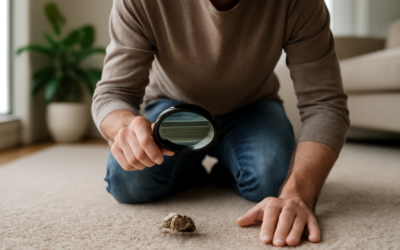
Discovering tiny beetles or shed skins in your closet or along the baseboards is unsettling, and learning how to kill carpet beetles quickly can save your carpets, clothing, and upholstery from real damage. It is usually the larvae, not the adult beetles, that do the harm, feeding on natural fibers like wool, silk, fur, and feathers. This step-by-step guide walks you through identifying, eliminating, and preventing these pests, and when to bring in professional help.
- Identifying a Carpet Beetle Problem
- Step 1: Deep Clean Everything
- Step 2: Launder and Treat Fabrics
- Step 3: Treat Affected Areas
- Step 4: Eliminate the Source
- Step 5: Prevent Reinfestation
- Carpet Beetles Versus Clothes Moths
- How Long It Takes to Clear an Infestation
- Where Carpet Beetles Hide in Your Home
- When to Call a Professional
Identifying a Carpet Beetle Problem
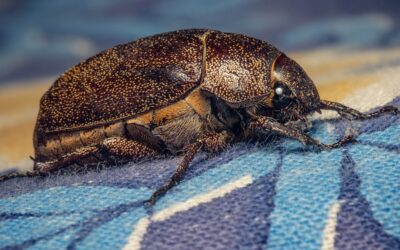
Before you treat, confirm what you are dealing with. Adult carpet beetles are small, rounded insects about an eighth of an inch long, often mottled black, brown, and white or solid dark. The larvae are even more telling: small, fuzzy or bristly, carrot-shaped creatures that crawl slowly along edges and into dark spaces.
Watch for these warning signs:
- Irregular holes in wool sweaters, rugs, or upholstery.
- Shed brownish larval skins in drawers, closets, and along baseboards.
- Thinning or bare patches in natural-fiber carpets.
- Small beetles gathered near windowsills, since adults are drawn to light.
Finding the source early makes the rest of the process far easier.
Step 1: Deep Clean Everything
Thorough cleaning is the foundation of getting rid of carpet beetles. Vacuum every carpet, rug, and upholstered surface meticulously, paying close attention to edges, under furniture, inside closets, and along baseboards where larvae hide. Empty the vacuum or seal and discard the bag immediately so any captured larvae and eggs cannot escape.
Vacuum several times a week during an active infestation. This single step removes a huge share of the larvae, eggs, and the lint and hair they feed on.
Step 2: Launder and Treat Fabrics
Carpet beetles love natural fibers, so treat affected textiles directly. Wash infested clothing, bedding, and linens in hot water if the fabric allows, since heat kills larvae and eggs. Items that cannot be washed can be dry-cleaned or sealed in a bag and placed in the freezer for several days, which also destroys the pests.
Inspect and clean stored wool, silk, fur, and feather items, and do not return anything to the closet until you are confident it is clear. These hidden stored fabrics are often the true breeding ground.
Step 3: Treat Affected Areas
After cleaning, treat the spaces where you found activity. Steam cleaning carpets and upholstery uses heat to kill larvae and eggs deep in the fibers. For cracks, crevices, and baseboards, a residual insecticide labeled for carpet beetles can help, and boric acid or diatomaceous earth sprinkled lightly into hidden areas works as a longer-term control.
Always read and follow the product label exactly, keep children and pets away from treated areas, and ventilate the room. Never apply more product than directed, and avoid spraying pesticides on surfaces people touch frequently.
Step 4: Eliminate the Source
Killing the beetles you can see is only half the battle. Carpet beetles often enter on cut flowers, find their way in through windows, or breed in forgotten items like old wool blankets, taxidermy, or accumulated pet hair and lint in vents and corners. Hunt down and remove these hidden food sources, clean out heating vents, and check attics and storage areas where dead insects and debris collect.
Step 5: Prevent Reinfestation
Once you have cleared the problem, keep it from coming back. Build these habits into your routine:
- Vacuum regularly, including edges, closets, and under furniture.
- Store natural-fiber clothing in sealed bins or garment bags.
- Keep humidity down, since beetles thrive in damp conditions.
- Inspect cut flowers and secondhand textiles before bringing them inside.
- Seal cracks around windows and use screens to block adult beetles.
Consistent cleaning and proper storage are the most reliable long-term defense.
Carpet Beetles Versus Clothes Moths
Carpet beetles are often confused with clothes moths because both damage natural fibers, but telling them apart helps you target your treatment. Carpet beetle damage usually shows as several small, scattered holes, and you will find shed bristly larval skins nearby. Clothes moth damage tends to cluster in one area, often with silky webbing or cocoon-like cases left behind. Carpet beetle larvae are fuzzy and crawl in the open, while moth larvae hide in webbing. Either way, the deep-cleaning and fabric-treatment steps in this guide work for both pests, so a thorough approach covers your bases.
How Long It Takes to Clear an Infestation
Patience is part of the process. Even with diligent cleaning and treatment, fully clearing carpet beetles can take several weeks because eggs hatch over time and larvae hide in hard-to-reach spots. Keep vacuuming frequently, continue laundering and inspecting fabrics, and reapply treatments as the labels allow. Monitor sticky traps or watch for new larvae and damage to gauge your progress. If activity keeps dropping over a few weeks, your efforts are working; if it persists or spreads, that is your signal to escalate.
Where Carpet Beetles Hide in Your Home
Treating the visible damage rarely solves the problem, because the larvae feed in dark, undisturbed places you rarely check. The most common hiding spots are the edges of carpet beneath heavy furniture, inside closets among stored wool and silk, and in the lint that collects under baseboards and along the tack strip around a room’s perimeter. Larvae also thrive in air ducts and floor vents where shed pet hair and dust accumulate, and inside upholstered furniture where they reach the natural-fiber padding.
Less obvious sources include taxidermy, dried flower arrangements, stored feather pillows, and forgotten boxes of seasonal clothing in attics or basements. Adults often slip in through window screens because they feed on pollen outdoors before laying eggs inside. When you treat, lift rugs, pull furniture away from walls, empty closets, and clean vents so you reach the spots where the next generation is already growing. Skipping these hidden reservoirs is the single biggest reason an infestation rebounds.
When to Call a Professional
Do-it-yourself methods handle most minor outbreaks, but a widespread or recurring infestation calls for expert help. If you continue to find larvae and damage after several weeks of diligent cleaning and treatment, or if the problem spans multiple rooms, contact a licensed pest control professional. They can identify hidden breeding sites, apply targeted treatments safely, and confirm the infestation is fully eliminated. Bringing in a pro early can save your textiles and spare you weeks of frustration.
Prefer to explore on your own?
See how new flooring looks in your actual room in seconds — free, no signup.
Try the free Floor Studio →