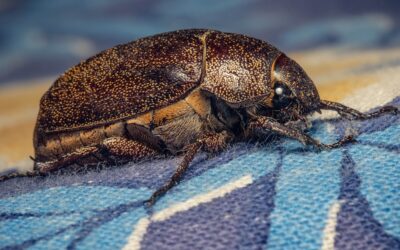
Those tiny holes in a wool sweater and the small, fuzzy bugs near your baseboards are usually the work of one persistent pest, and reaching for a spray is most people’s first move. Carpet beetle spray refers to insecticides used to kill carpet beetles and their destructive larvae, which feed on wool, silk, leather, feathers, and other natural fibers. Used correctly, sprays are an effective part of control, but they work best combined with thorough cleaning and used strictly according to the label. This guide explains what works, how to apply it safely, and when to call a professional.
Understanding the Problem
It is actually the larvae, not the adult beetles, that cause damage. The small, bristly larvae chew through natural fibers in carpets, clothing, upholstery, and stored items, while adults are often seen near windows because they are drawn to light and feed on pollen. Spotting shed larval skins, fecal pellets, or irregular holes in natural-fiber items signals an active infestation. Spray alone rarely solves the problem; you also have to remove the larvae and their food sources.
Types of Carpet Beetle Spray
Most effective sprays are EPA-registered insecticides. Always confirm the product is labeled for carpet beetles and for indoor use where you plan to apply it.
- Pyrethroid-based sprays: Common synthetic insecticides like permethrin or deltamethrin that kill on contact and leave residual protection.
- Residual surface sprays: Designed to keep working for weeks on baseboards, carpet edges, and cracks where larvae travel.
- Insect growth regulators (IGRs): Disrupt the life cycle by preventing larvae from maturing; often used alongside a knockdown spray.
- Natural options: Some homeowners prefer products with botanical ingredients, though efficacy varies; food-grade diatomaceous earth is a non-spray alternative for cracks.
Safety First
Insecticides are effective because they are toxic to insects, so treat them with respect and follow the label exactly, since the label is the law.
- Read the entire product label and use only as directed for the listed application areas.
- Keep children and pets out of treated areas until surfaces are completely dry, and longer if the label specifies.
- Wear gloves and ensure good ventilation while spraying; avoid breathing the mist.
- Never spray on food-contact surfaces, bedding, or skin unless the label expressly allows it.
- Store products in their original containers, out of reach of children and pets.
If anyone in the home has respiratory conditions, or you are pregnant, take extra precautions and consider professional treatment.
How to Treat Your Home
Spraying works only as part of a complete approach. Start by finding and removing the source.
- Vacuum thoroughly and frequently, including carpet edges, under furniture, closets, and along baseboards; empty the vacuum outside immediately.
- Launder or dry-clean infested clothing and fabrics; hot water and high-heat drying kill larvae and eggs.
- Discard or seal heavily infested items that cannot be cleaned.
- Apply the spray to cracks, crevices, baseboards, carpet perimeters, and other larval hiding spots per the label, not as a broadcast over open living areas unless directed.
- Repeat cleaning and monitor over several weeks, since eggs can hatch after the first treatment.
Preventing Reinfestation
Once you have cleared an infestation, prevention keeps it from returning. Store wool, silk, and other natural fibers in sealed containers, especially seasonal clothing. Vacuum regularly and clean up pet hair, lint, and food crumbs that feed larvae. Inspect secondhand furniture and rugs before bringing them inside. Keep windows screened, since adults fly in from outside, and address any bird or rodent nests near the home, which can harbor beetles.
When to Call a Professional
DIY sprays and cleaning handle many minor cases, but some situations call for a pest control professional. If the infestation is widespread, keeps returning after treatment, or involves valuable items like antique rugs and heirloom textiles, a licensed exterminator has access to stronger products and the expertise to locate hidden sources. Professionals also tailor treatment safely around children, pets, and sensitive occupants. For a serious or persistent infestation, professional help is the reliable path.
Where to Focus Your Spraying
Spraying everything indiscriminately wastes product and exposes your family to unnecessary chemicals, while missing the right spots lets the infestation continue. Carpet beetle larvae hide in dark, undisturbed areas near their food sources, so concentrate treatment there.
- Along baseboards and the edges of carpet, where larvae travel and feed.
- In closets, especially around stored wool, silk, and natural-fiber clothing.
- Under and behind heavy furniture that rarely moves.
- In cracks, crevices, and along the perimeter of rooms rather than across open floor.
- Around vents, registers, and any nests of birds or rodents near the home.
Targeted application following the label is both safer and more effective than broadcast spraying.
How Long Treatment Takes
Patience is part of the process, because carpet beetles have a life cycle that a single treatment cannot fully interrupt. Eggs already laid can hatch after your first spray, so you will likely need repeat cleaning and monitoring over several weeks. Residual sprays and growth regulators help by continuing to work and preventing new larvae from maturing. Keep vacuuming frequently, watch for new signs of activity, and re-treat hiding spots as directed on the label. Expect a few weeks of diligence rather than an overnight fix.
Non-Chemical Methods That Help
Sprays work best alongside non-chemical measures that reduce the population and remove food sources. Frequent, thorough vacuuming physically removes larvae, eggs, and shed skins. Laundering fabrics in hot water and drying on high heat kills all life stages. Freezing small infested items for several days can kill larvae in delicate textiles that cannot be washed. Food-grade diatomaceous earth dusted into cracks is a low-toxicity option for hiding spots. Combining these methods with targeted spraying is far more effective than relying on chemicals alone.
Final Thoughts
Carpet beetle spray is a useful weapon, but it is most effective as one part of a plan that includes thorough vacuuming, laundering, and removing the larvae’s food sources. Choose an EPA-registered product labeled for carpet beetles, follow the safety directions precisely, and keep kids and pets away from treated areas until dry. For infestations that spread or won’t quit, bring in a pest professional rather than escalating the chemicals yourself.
Prefer to explore on your own?
See how new flooring looks in your actual room in seconds — free, no signup.
Try the free Floor Studio →