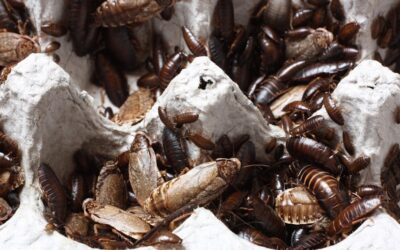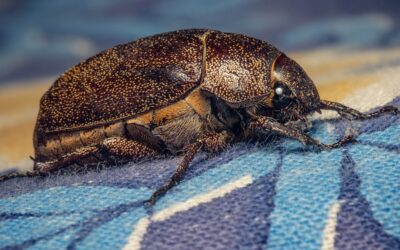
Those tiny dark specks crawling along your baseboard or windowsill are easy to ignore until your favorite wool sweater turns up with mysterious holes. Knowing how to get rid of black carpet beetles early saves your textiles, rugs, and stored clothing from real damage. The good news is that most infestations respond well to thorough cleaning and a few targeted steps you can handle yourself over a couple of weeks.
Identifying Black Carpet Beetles First
Adult black carpet beetles are small, roughly 1/8 to 3/16 inch long, shiny dark brown to black, and oval. You will often spot the adults near windows because they are drawn to light and want to get outside to feed on pollen. The adults are not the problem, though. The larvae do the damage.
Larvae look like tiny carrot-shaped or bristly worms, tan to brown, up to about 1/4 inch, and they shed their skins as they grow. Finding those shed skins, plus small holes in natural fibers, confirms an active population. They feed on wool, silk, leather, feathers, pet hair, lint, and dried food, which is why they thrive in quiet, undisturbed corners.
Start With a Deep Clean
Vacuuming is your single most powerful tool, and it costs nothing extra. Larvae, eggs, and the lint they eat all get pulled up by a thorough pass.
- Vacuum all carpets, rugs, and upholstered furniture slowly, overlapping each stroke.
- Use the crevice tool along baseboards, under furniture, inside closets, and around heating vents where lint collects.
- Pull out couch cushions and vacuum the seams and frame.
- Empty the canister or bag immediately into an outdoor trash bin so anything you captured cannot crawl back out.
Repeat this every few days for two to three weeks. Carpet beetles hide in spots you would never think to look, so consistency matters more than any single deep session.
Launder and Treat Affected Textiles
Heat kills carpet beetles at every life stage. Wash infested or vulnerable clothing, bedding, and linens in hot water, ideally 120°F or higher, then dry on high heat for at least 30 minutes.
For items you cannot wash, dry cleaning works well and is the safe route for delicate wool, silk, and tailored pieces. Anything that cannot take heat at all, like certain antiques or fragile fabrics, can go into a sealed bag in the freezer at 0°F for about two weeks to kill larvae and eggs. Before storing seasonal woolens, clean them first, because beetles are drawn to sweat, body oils, and food stains on worn clothing.
Targeted Treatments and Traps
After cleaning, you can add a few measures to knock down survivors and monitor activity.
- Pheromone traps: These sticky traps lure adult beetles and help you gauge whether the population is shrinking. They are a monitoring tool more than a cure.
- Diatomaceous earth: A light dusting of food-grade DE in cracks, along baseboards, and under heavy furniture dehydrates larvae that crawl through it. Wear a mask while applying, and keep it away from areas where you breathe in dust regularly.
- Boric acid: Sprinkled lightly on carpets and worked in, then vacuumed up later, it can help, but keep it away from children and pets and never use it on fabrics you will wear against skin.
If you use any insecticide product, read and follow the label exactly. The label is the law, and it tells you where the product is safe to apply, how long to keep people and pets away, and how to ventilate. Never spray pesticides on bedding, clothing, or food-contact surfaces.
Find and Eliminate the Source
Treatment fails if you skip this step. Beetles keep coming back when a hidden food source feeds the next generation.
Check these common harbor points: old wool rugs rolled up in storage, taxidermy or feather decor, abandoned bird or rodent nests in attics and wall voids, dried pet food, and accumulations of pet hair under furniture. Lint inside floor vents and behind radiators is a classic overlooked buffet. Clean or remove whatever you find, and seal entry gaps around windows, vents, and doors so adults stop flying in from outside.
Prevent Future Infestations
Once you have things under control, a few habits keep beetles from returning. Vacuum regularly, especially the quiet zones under beds and inside closets. Store clean woolens and seasonal clothing in airtight bins or vacuum-sealed bags rather than cardboard, which beetles slip into easily.
Inspect secondhand furniture, rugs, and clothing before bringing them inside, since these are a frequent way infestations hitchhike into a home. Cedar blocks and lavender sachets offer mild deterrence but will not stop an established population, so treat them as a supplement, not a solution.
Understanding the Beetle Life Cycle
Beating these pests gets easier once you understand why they linger. A single female can lay dozens of eggs, and the larvae are the destructive, long-lived stage, feeding for several months and sometimes far longer in cool, low-humidity homes. That extended larval period is exactly why a one-time cleaning rarely solves the problem; eggs and tiny larvae you missed keep maturing for weeks.
The larvae also avoid light and movement, burrowing into the deepest, quietest folds of stored fabric, under heavy furniture, and inside vent ductwork. They can survive long stretches without obvious food by feeding on lint, shed pet hair, and dust that drifts into forgotten corners. This is why your treatment has to be both thorough and repeated over two to three weeks rather than a single aggressive day. Hitting the same hiding spots on a schedule catches successive waves of larvae as they grow large enough to be vacuumed up, steadily collapsing the population instead of just trimming it.
When to Call a Professional
Most homeowners can clear a carpet beetle problem with persistence. But if you still see larvae after three to four weeks of diligent cleaning, find damage spreading to new rooms, or suspect a nest inside walls or your attic, it is time to bring in a licensed pest-control professional. A pro can locate hidden sources, apply targeted treatments safely, and confirm the species, since other fabric pests like clothes moths call for slightly different tactics.
Stay patient and methodical. Learning how to get rid of black carpet beetles is mostly about denying them food and heat, and a steady routine almost always wins out over these tiny but stubborn pests.
Prefer to explore on your own?
See how new flooring looks in your actual room in seconds — free, no signup.
Try the free Floor Studio →