Discovering tiny holes in your carpet, clothing, or upholstery can be alarming, and carpet beetles are often the culprit. Learning how to remove carpet beetles is essential because these small pests, or more precisely their hungry larvae, feed on natural fibers and can cause real damage before you even notice them. The good news is that with a systematic approach you can eliminate an infestation and keep it from coming back. This guide walks you through identifying, killing, and preventing carpet beetles using practical, effective methods.
Carpet beetles are among the most misunderstood household pests, in part because they work so quietly. Homeowners often blame moths for the damage carpet beetle larvae cause, or fail to connect the small holes in a favorite sweater with the tiny bristly creatures hiding beneath the furniture. This confusion can delay treatment for weeks, giving the infestation time to spread. The reassuring truth is that carpet beetles are entirely manageable once you understand their habits, and you do not need to panic or immediately reach for the harshest chemicals available. A methodical, patient approach almost always succeeds, combining thorough cleaning with targeted treatment and consistent prevention. Because the pests move through several life stages and hide in overlooked corners, the process rewards persistence over intensity, with repeated efforts over a few weeks proving far more effective than a single frantic cleaning day. Approaching the problem calmly and systematically, as this guide lays out, gives you the best chance of clearing them completely, and it all begins with correctly identifying what you are dealing with so you can target your efforts where they count.
- Identifying a Carpet Beetle Problem
- Where Carpet Beetles Hide
- Step One: Deep Clean the Entire Area
- Step Two: Wash and Treat Infested Items
- Step Three: Apply Targeted Treatments
- Step Four: Prevent Them From Returning
- When to Call a Professional
- Understanding the Carpet Beetle Life Cycle
- Natural and Low-Toxicity Control Methods
- Winning the Battle Against Carpet Beetles
Identifying a Carpet Beetle Problem
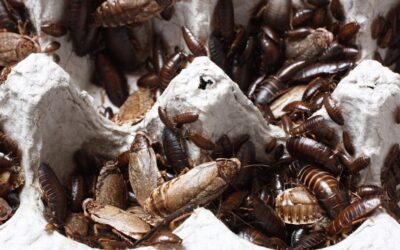
Before you can remove carpet beetles, you need to confirm you have them. Adult carpet beetles are small, rounded insects about an eighth of an inch long, often mottled black, brown, and white or solid dark colors. The real damage comes from the larvae, which are tiny, fuzzy or bristly, and carrot-shaped. Watch for irregular holes in wool, silk, fur, or feathers, shed larval skins, and small fecal pellets near baseboards, closets, and under furniture. Adults are attracted to light and may gather near windows, offering an early clue.
Where Carpet Beetles Hide
Carpet beetles thrive in undisturbed, dark places where natural fibers and debris collect. Knowing their favorite hiding spots helps you target your efforts effectively.
- Beneath and behind heavy furniture that rarely moves.
- In closets among wool, silk, and fur garments.
- Along baseboards, floor cracks, and carpet edges.
- Inside air vents and ducts where lint accumulates.
- In stored blankets, upholstery, and taxidermy or dried flowers.
Step One: Deep Clean the Entire Area
Thorough cleaning is the foundation of how to remove carpet beetles. Start by vacuuming every surface meticulously, including carpets, rugs, upholstery, baseboards, closet floors, and the edges and cracks where larvae hide. Move furniture to reach neglected spots. Vacuuming physically removes adults, larvae, eggs, and the lint and hair they feed on. Immediately after, empty the vacuum canister or seal and discard the bag outside so any captured beetles cannot escape back into your home. Repeat this deep vacuuming daily during an active infestation to steadily reduce the population.
Step Two: Wash and Treat Infested Items
Fabrics and textiles that show damage or harbor larvae need direct treatment. Launder washable items in hot water, ideally 120 degrees Fahrenheit or higher, which kills beetles at all life stages, then dry on high heat. For delicate or non-washable pieces, dry cleaning is effective. Items you cannot wash or dry-clean can be sealed in plastic bags and placed in the freezer for several days, since sustained cold also kills the pests. Steam cleaning carpets and upholstery adds another layer of control, using heat and moisture to destroy eggs and larvae in place.
Step Three: Apply Targeted Treatments
For persistent infestations, targeted treatments help finish the job. Insecticides labeled for carpet beetles, containing ingredients such as deltamethrin or bifenthrin, can be applied to baseboards, carpet edges, and cracks according to the product directions. Boric acid sprinkled lightly on carpets and left before vacuuming is a lower-toxicity option that damages the larvae. Diatomaceous earth, a natural powder, dehydrates insects that crawl through it and can be dusted in hidden areas. Always follow label safety instructions, keep children and pets away from treated zones, and ventilate well.
- Spot-treat baseboards and edges with a labeled insecticide.
- Use boric acid or diatomaceous earth in hidden crevices.
- Reapply as directed until no new activity appears.
Step Four: Prevent Them From Returning
Eliminating the current infestation is only half the battle; prevention keeps carpet beetles from coming back. Vacuum regularly and thoroughly, paying attention to the neglected corners where debris gathers. Store woolens, furs, and other natural-fiber items in sealed containers or garment bags, ideally with cedar or pheromone traps to deter beetles. Reduce clutter that provides hiding spots, and clean up lint, pet hair, and dead insects that serve as food. Inspect secondhand furniture and textiles before bringing them indoors, since these are common ways beetles enter a home.
When to Call a Professional
Most carpet beetle problems respond to diligent cleaning and targeted treatment, but severe or recurring infestations may warrant professional pest control. If you continue to find larvae and damage after several weeks of consistent effort, or if the infestation spans multiple rooms and hidden areas like ductwork, an exterminator has commercial-grade treatments and the expertise to locate the source. Professionals can also identify whether a food source, such as a dead animal in a wall or an old nest, is sustaining the population and needs removal.
Understanding the Carpet Beetle Life Cycle
Knowing how carpet beetles develop helps you time your treatment and break the cycle for good. Adult females lay eggs on or near a food source such as wool, fur, or accumulated lint, and those eggs hatch into the destructive larvae within one to several weeks. The larval stage is the longest and most damaging, sometimes lasting several months, during which the larvae feed continuously on natural fibers. Eventually they pupate and emerge as adults, which live only a few weeks and often move toward windows and light to mate and start the cycle again. Because eggs and larvae can hide deep in fibers and cracks, a single cleaning rarely eliminates every stage at once. This is why repeated vacuuming and treatment over several weeks is essential, catching newly hatched larvae before they can mature and reproduce.
Natural and Low-Toxicity Control Methods
If you prefer to minimize chemicals, several effective options rely on physical and natural controls. Rigorous, repeated vacuuming remains the most powerful non-toxic weapon, physically removing beetles at every life stage. Laundering and heat treatment kill pests without insecticides, and freezing non-washable items achieves the same result. Diatomaceous earth, a natural mineral powder, dehydrates larvae that crawl through it and can be dusted into cracks and hidden spaces. Sticky traps help you monitor and reduce adult populations.
- Vacuum relentlessly to remove all life stages.
- Use heat, hot washing, or freezing on infested textiles.
- Apply diatomaceous earth in cracks and crevices.
- Set sticky traps to monitor and catch adults.
Winning the Battle Against Carpet Beetles
Knowing how to remove carpet beetles comes down to a disciplined, layered approach: identify the infestation, deep clean relentlessly, treat infested textiles with heat or cold, apply targeted products to hiding spots, and then commit to prevention. These pests are persistent, but consistent vacuuming, proper storage of natural fibers, and prompt treatment will clear them out and keep them gone. Stay vigilant for the early signs, act quickly, and you can protect your carpets, clothing, and upholstery from these small but damaging invaders for good.
Prefer to explore on your own?
See how new flooring looks in your actual room in seconds — free, no signup.
Try the free Floor Studio →