Finding tiny crawling specks in your carpet feels alarming, but most infestations are far easier to clear than people expect once you know what you’re dealing with. Learning how to get rid of carpet bugs comes down to three steps: identify the pest, attack both the adults and the hidden larvae, and remove the food source that drew them in. Skip that last step and they come right back, which is why so many homeowners feel like they’re losing the battle. They vacuum the surface but never touch the source.
First, Identify What You’re Actually Dealing With
“Carpet bugs” is a catch-all term, and the right treatment depends on the species. Grab a flashlight and look closely.
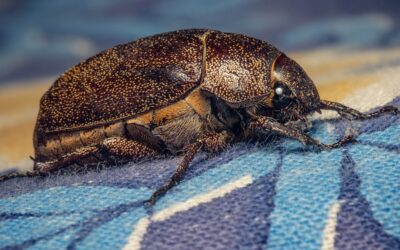
- Carpet beetles: Tiny oval insects, often mottled black, brown, and cream, about 1/8 inch long. The real damage comes from their fuzzy, bristly larvae that eat natural fibers, leaving bare patches in wool rugs and shed skins behind.
- Fleas: Dark reddish-brown, fast, and they jump. If you have pets and you’re getting itchy ankle bites, fleas are the likely culprit.
- Dust mites: Microscopic and invisible to the eye. You won’t see them, but they trigger allergies and asthma. Treatment is about humidity and washing, not insecticide.
- Springtails or booklice: Usually a sign of dampness rather than a fiber problem; fixing moisture solves them.
Knowing which one you have saves you from spraying chemicals at a problem that only needs a dehumidifier.
Step One: Deep Vacuum Everything
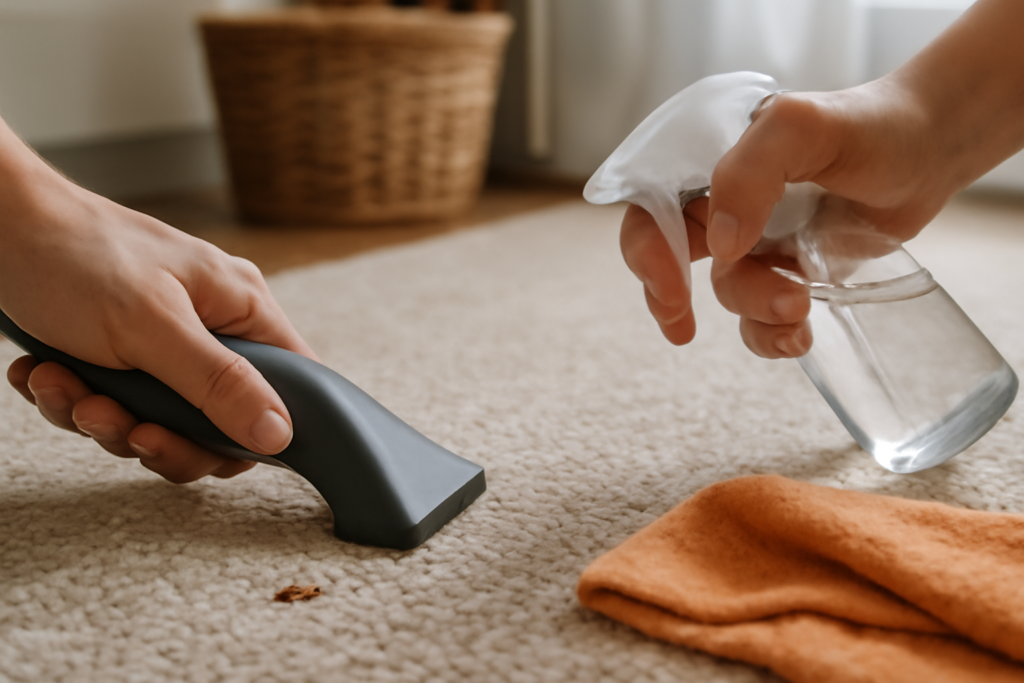
Vacuuming is the most underrated weapon you own. A thorough pass removes adult bugs, larvae, eggs, and the lint and hair they feed on. Go slow, overlap your strokes, and hit the spots people skip: under furniture, along baseboards, inside closets, and the edges where carpet meets the wall.
Use a vacuum with strong suction and, ideally, a HEPA filter so you’re not blowing allergens back into the air. The moment you finish, seal the bag or empty the canister into an outdoor trash bin. Leaving a full canister inside lets eggs hatch and the whole effort restarts. For an active infestation, vacuum daily for two weeks.
Step Two: Wash and Treat Soft Items
Bugs rarely live in the carpet alone. Bedding, throw pillows, pet beds, and stored clothing all harbor eggs and larvae.
- Launder washable fabrics in hot water at 120°F or higher, which kills all life stages.
- Run delicate items through a hot dryer cycle for 30 minutes if they can’t be washed.
- Seal items you can’t wash in a black plastic bag and leave them in direct sun or a freezer for several days.
For pet-related fleas, treat your animals with a vet-recommended product on the same day you treat the home, or fleas simply re-seed the carpet from the host.
Step Three: Apply a Targeted Treatment
Once you’ve vacuumed and washed, hit the carpet itself. You have both natural and chemical options depending on your comfort level.
Diatomaceous Earth (DE)
Food-grade DE is a fine powder that shreds an insect’s protective coating and dehydrates it. Sprinkle a light layer over the carpet, work it in gently with a broom, leave it 24 to 48 hours, then vacuum thoroughly. It’s pet-safe once settled but wear a mask while applying because the dust irritates lungs.
Boric Acid
A light dusting of boric acid worked into the fibers kills carpet beetle larvae and fleas over a few days. Keep it away from areas where small children or pets crawl, and vacuum it up after treatment.
Insecticide Sprays
For stubborn flea infestations, a spray containing an insect growth regulator (IGR) stops eggs and larvae from maturing, breaking the cycle that foggers alone miss. Treat the whole floor, follow the label dwell time, and ventilate.
Step Four: Find and Remove the Source
This is where most people fall short. Carpet beetles feed on natural fibers, pet hair, dead skin, and pantry crumbs. Track down the buffet and the infestation collapses. Check for these common attractants:
- Old wool rugs, felt, or stored natural-fiber clothing in closets and attics.
- Forgotten pet food spilled under appliances or furniture.
- Dead insects in window sills and light fixtures, a favorite larvae snack.
- Bird or rodent nests in attics and vents that adult beetles fly in from.
Carpet beetles are often drawn indoors by light, so checking and sealing window screens cuts off new arrivals.
How to Keep Carpet Bugs From Coming Back
Prevention is mostly about denying food and reducing humidity. Vacuum at least weekly, focusing on edges and under furniture. Keep indoor humidity below 50 percent with a dehumidifier, since both dust mites and many carpet bugs thrive in moist air. Store seasonal wool and natural fabrics in sealed bins with cedar blocks rather than loose in a closet. Wash pet bedding regularly, and give any secondhand rug or upholstered furniture a careful inspection and a hot-dryer or freezer treatment before bringing it inside.
Why DIY Treatments Sometimes Fail
If you’ve already tried to clear carpet bugs and they keep returning, the problem is almost always one of three things. The first is treating only the visible adults while ignoring the eggs and larvae hidden deep in the carpet pile, baseboards, and closets; insects breed faster than you can vacuum the surface, so you have to break the life cycle, not just remove the bugs you see. The second is failing to find and eliminate the food source, whether that’s an old wool rug in a closet, pet hair under the couch, or dead insects in a light fixture. The third is treating only one room when the infestation has already spread, letting bugs simply migrate back from an untreated area.
Consistency matters too. A single vacuuming or one application of diatomaceous earth rarely finishes the job. Plan on daily vacuuming and repeat treatments over two to three weeks, because new eggs hatch in waves. Skipping a few days mid-treatment gives a fresh generation time to establish, and you find yourself back at square one. Treat it like a campaign rather than a one-time chore and the results hold.
When to Call a Professional
Most carpet bug problems clear up with diligent DIY work over two to three weeks. Call a licensed exterminator if you’ve treated thoroughly and still see live larvae after a month, if the infestation spans multiple rooms, or if you’re dealing with a heavy flea outbreak that keeps biting despite treatment. A pro can apply professional-grade IGRs and identify hidden sources you may have missed, but for the average home, knowing how to get rid of carpet bugs the right way is a job you can absolutely handle yourself.