Natural slate weighs up to 1,500 pounds per square and costs more than most kitchen remodels — which is exactly the problem Brava set out to solve. Brava roof tile is a composite roofing line molded from recycled polymers that convincingly imitates slate, cedar shake, and Spanish barrel tile at a quarter of the weight and roughly half the installed cost of the real thing. After looking hard at the product specs, pricing, and field track record, here is our honest read on where Brava earns its premium and where it doesn’t.
Part of our Roofing guide — explore the full guide →
Who Brava Is and What They Make
Brava Roof Tile manufactures in Washington, Iowa, and has been producing composite roofing since 2011 — young next to a century-old slate quarry, but long enough to have 10-plus-year roofs in the field. The tiles are compression-molded from a polymer blend containing recycled material, with UV stabilizers throughout the tile body rather than a surface coating. Three product lines cover the classic premium-roof looks:
- Old World Slate: molded from casts of natural slate, in staggered widths and a 1/2-inch or thicker profile.
- Cedar Shake: deep split-grain texture in shake-style courses — the line most often used to replace aging real cedar in fire-conscious markets.
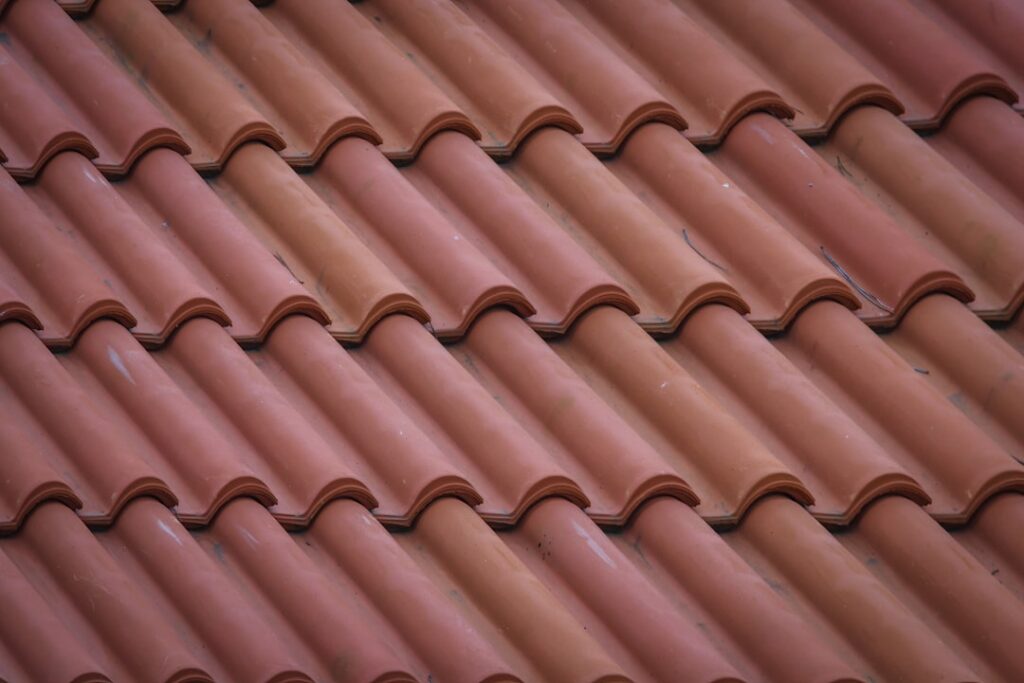
- Spanish Barrel Tile: a two-piece-look barrel profile that mimics clay mission tile without the weight or fragility.
Brava’s signature capability is color: tiles are through-colored and can be produced in essentially unlimited custom blends, including multi-tone streaking that mimics weathered Vermont slate. That customization is rare in the composite category.
The Specs That Matter
Composite roofing lives or dies on ratings, and Brava’s are strong. The tiles carry a Class 4 impact rating — the highest hail classification, worth insurance discounts in hail states — and are available with Class A fire-rated assemblies (Class C standard, so specify Class A in wildfire country). Wind ratings reach 110 to 188 mph depending on fastening schedule, and the product holds Miami-Dade and Texas Department of Insurance approvals. Weight is the transformative spec: roughly 150 to 400 pounds per square depending on profile, versus 800 to 1,500 for natural slate or concrete barrel tile. Practically every stick-framed house can carry Brava with no structural reinforcement, which deletes a $5,000-plus engineering line item from slate-look projects.
What Brava Roof Tile Costs
Brava sits at the top of the composite category. Materials run roughly $400 to $600 per square, and installed prices typically land between $9 and $16 per square foot depending on profile, region, and roof complexity — $18,000 to $32,000 for a typical 2,000 square foot roof. For context: architectural shingles run $4.50 to $7 installed, competing composites like DaVinci price similarly to Brava, genuine cedar shake lands around $8 to $14, and true natural slate runs $18 to $35+. So Brava costs two to three times asphalt but roughly half of authentic slate, with none of slate’s structural demands. Custom color blends and the barrel profile push toward the top of the range.
Getting an accurate Brava quote takes one extra step worth doing: order physical samples (Brava ships them) and have your installer bid from the actual profile and exposure you’ve chosen, since coverage per tile varies by line. Lead times on custom colors run several weeks, so lock the color decision before the tear-off date, not after.
Installation Notes
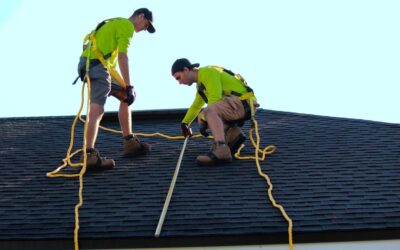
Brava installs much like a heavy architectural shingle: standard decking, synthetic underlayment, and ring-shank stainless or hot-dipped fasteners, with tiles that cut with a circular saw rather than a wet saw. No battens, no mortar, no tile-specific trades. That said, coursing, stagger patterns, and hip-and-ridge details determine whether the finished roof reads as slate or as plastic, so use an installer who has completed Brava or DaVinci projects before — the manufacturer maintains an installer list. Labor pricing sits close to shingle labor plus 20 to 40 percent, and unlike real slate or clay, crews can walk the roof freely without breaking anything, which quietly lowers lifetime maintenance costs on chimney, gutter, and HVAC visits.
Climate flexibility is another quiet advantage: polymer tiles install in cold weather that makes asphalt shingles brittle and clay tile risky to handle, and the material’s freeze-thaw immunity suits it to mountain and northern markets where absorbent concrete tile spalls. Brava publishes fastening schedules by wind zone; in coastal high-wind regions, expect ring-shank stainless fasteners on a tightened pattern, and get the specific schedule referenced in your contract so the wind warranty holds.
Longevity and Warranty
Brava backs the tiles with a 50-year limited warranty that is fully transferable once — a genuine resale asset. The realistic expectation for well-installed polymer composite roofing is 40 to 60 years, with the main aging question being color. Because Brava pigments the entire tile body and stabilizes it against UV, fading is gradual and even rather than the blotchy wear-through that plagued early-2000s composites. The honest unknown: no polymer roof anywhere has a 60-year field history yet, Brava included. What the category does have is 20-plus years of accelerated weathering data and strong early-decade performance, which is enough for most buyers but worth stating plainly.
Brava vs. the Alternatives
Against DaVinci Roofscapes, its closest rival, Brava wins on custom color range and offers a barrel-tile profile DaVinci lacks; DaVinci counters with a longer track record and a bigger installer network. Against real cedar shake, Brava trades authentic patina for a Class A fire option, no rot or insect risk, and zero periodic treatment — a clear win in the WUI fire zones where cedar is increasingly uninsurable. Against natural slate, the real thing still lasts longer (100+ years) and looks marginally better at close range, but demands heavy framing and specialty labor. And against concrete barrel tile, Brava’s version weighs a fraction as much and won’t crack underfoot, though concrete costs less per square. If a like-for-like material guide helps, our concrete tile roof breakdown covers what Brava’s barrel profile is replacing.
Maintenance and Living With It
Composite tile is close to maintenance-free, which is a real budget line over 50 years. There is no sealing, no repointing, no periodic treatment as with cedar, and no fastener-gasket replacement cycle as with exposed-fastener metal. Annual care amounts to keeping valleys and gutters clear and rinsing off organic debris; algae and moss gain less foothold on polymer than on concrete or wood, and a gentle wash handles what does appear — never pressure-wash at close range. Individual damaged tiles (a rare event given the Class 4 rating, but falling limbs happen) swap out the way shingles do: lift the course above, pull the fasteners, slide in a replacement. Order a bundle of spare tiles with the original job so the color lot matches forever.
Two ownership notes worth passing along. First, insurance: document the Class 4 rating with your carrier at install time — discounts don’t apply themselves, and in hail states the premium reduction is meaningful money every year. Second, resale: list the transferable 50-year warranty in your disclosures when you sell; a buyer’s inspector will flag an exotic roof material, and the paperwork turns a question mark into a selling point.
Verdict: Who Should Buy Brava
Brava roof tile makes the most sense for three buyers: owners of homes designed for slate or shake looks whose framing can’t (or shouldn’t) carry the natural material; cedar-shake owners in hail or wildfire territory who need Class 4 and Class A ratings their insurer will reward; and anyone wanting a custom-color premium roof with 50-year coverage and low maintenance. Skip it if budget is the deciding factor — a quality architectural shingle delivers weatherproofing for less than half the price — or if you demand a century of documented service life, which only real slate and clay can prove. As composites go, Brava is a top-tier product priced like one.