Gutters are easy to ignore until water is pouring down your siding or pooling against the foundation. By then, broken gutters may already be causing far more expensive problems behind the scenes, from rotted fascia to a flooded basement. The good news is that most gutter issues are fixable, and catching them early keeps a small repair from turning into a major one. This guide explains how to spot the damage, decide whether to repair or replace, and do the work safely.
Part of our Roofing guide — explore the full guide →
Why Working Gutters Matter So Much
The job of a gutter system is simple but vital: collect rain off the roof and carry it away from the house. When that fails, water finds the foundation, the basement, the siding, and the landscaping. The repair bills that follow, from foundation cracks to mold remediation, dwarf the cost of fixing the gutters themselves. That is why broken gutters belong near the top of your maintenance list.
Common Signs of Broken Gutters
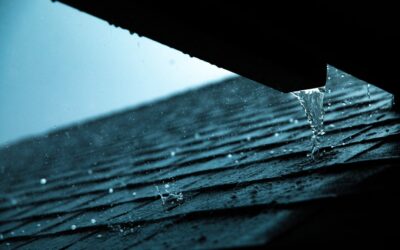
Walk the perimeter of your home during or right after a rainstorm, when problems reveal themselves. Watch for:
- Sagging or pulling away: gutters drooping from the fascia, often from loose hangers or trapped debris weight
- Leaks at seams: water dripping where two sections join or at corners
- Overflowing: water spilling over the front edge, usually a clog or undersized system
- Cracks and holes: visible splits or rust holes in metal gutters
- Peeling paint or rust streaks: signs of water sitting where it should not
- Pooling water and mildew near the foundation: evidence the system is not directing water away
Common Causes of Damage
Most gutter failures trace back to a few culprits. Clogs from leaves and shingle grit are the leading cause, since trapped water and weight strain the entire system. Loose or missing hangers let sections sag. Ice dams in cold climates expand and crack seams. Improper slope keeps water from draining toward the downspouts. And simple age takes its toll, as aluminum and steel eventually corrode and seals fail.
Repair or Replace?
The decision usually comes down to the extent of the damage and the age of the system.
When Repair Makes Sense
- A single leaking seam you can reseal with gutter sealant
- A sagging section that just needs new hangers or screws
- A few small holes patchable with sealant or a metal patch
- A loose downspout that needs re-securing
When Replacement Is Smarter
- Widespread rust, cracks, or holes along multiple sections
- Gutters more than 20 years old that fail repeatedly
- Chronic sagging from undersized or poorly pitched runs
- Damage to the fascia behind the gutters that must be addressed anyway
For materials, expect roughly $4 to $12 per linear foot installed for standard aluminum gutters, with seamless and premium materials costing more.
Simple Repairs You Can Tackle
Several common fixes are within reach of a careful homeowner:
- Resealing seams: clean and dry the joint, then apply a quality gutter sealant from inside
- Tightening hangers: replace old spikes with screw-in hidden hangers every 24 to 36 inches
- Patching holes: rough the area, apply sealant, and press a metal patch over it
- Clearing clogs: scoop debris by hand and flush with a hose to confirm flow
- Correcting slope: aim for about a quarter inch of fall per 10 feet toward the downspout
Ladder Safety Comes First
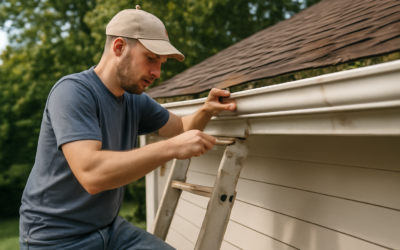
More homeowners are injured by ladder falls than by the gutters themselves, so respect the height. Follow these rules without exception:
- Use a sturdy ladder on firm, level ground, never on soft soil or a slope
- Maintain three points of contact and never lean past your comfortable reach
- Have a helper steady the base, especially on two-story homes
- Keep both hands free by using a tool belt or bucket hook for supplies
- Never work on a ladder in wet, windy, or icy conditions
Preventing Future Gutter Problems
The best repair is the one you never have to make. A little maintenance keeps gutters working and extends their life by years:
- Clean twice a year: clear leaves and grit in late spring and again in late fall
- Install gutter guards: mesh or screen covers cut down on debris and clogs
- Trim overhanging branches: fewer leaves overhead means fewer clogs below
- Check after storms: high winds and ice are hard on hangers and seams
- Verify the slope: water should always flow toward the downspouts, not pool in the middle
Gutter guards are not a complete substitute for cleaning, but they dramatically reduce how often you climb the ladder, which is itself a safety win.
Don’t Forget the Downspouts
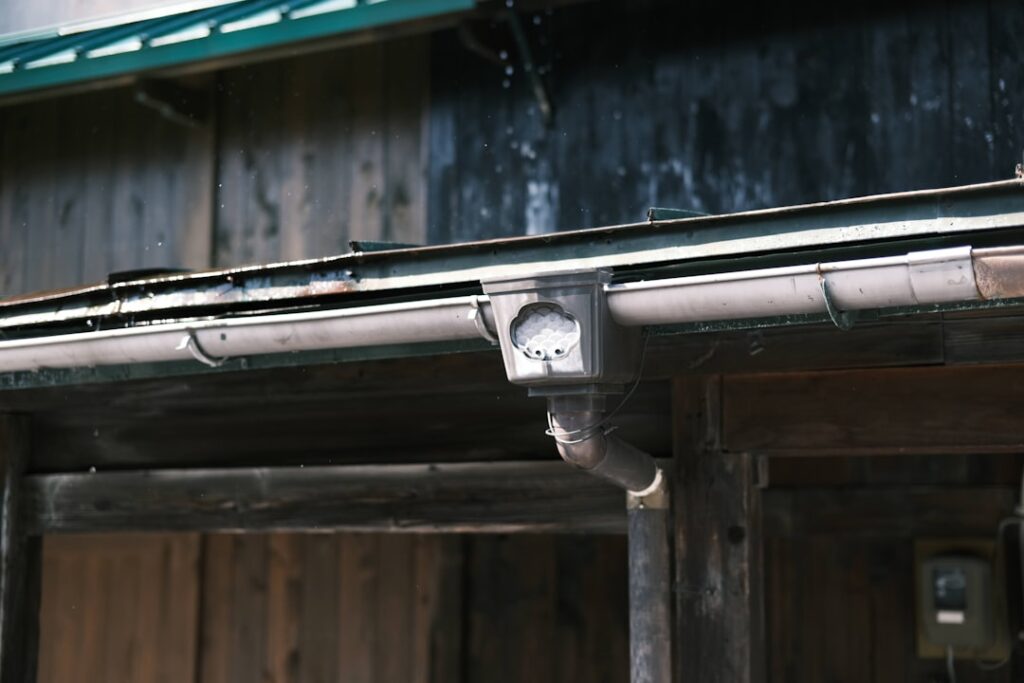
Gutters only solve half the problem; the water still has to get away from the house. Downspouts should carry water at least four to six feet from the foundation, using extensions, splash blocks, or buried drain lines. A downspout that dumps right at the base of the wall sends water straight toward the foundation, which is exactly what gutters are supposed to prevent. Check that downspouts are clear, securely fastened, and directing water well away from the home, especially before the rainy season.
When to Call a Professional
It also helps to understand what causes the most expensive downstream damage, so you can prioritize repairs. Water that overflows or leaks at the foundation is the worst offender, since it can crack basement walls, flood crawl spaces, and undermine the footing. Water running down siding leads to rot and peeling paint, while overflow near walkways causes ice in winter. Knowing that broken gutters threaten the foundation, which is the most costly part of the house to fix, makes it clear why even a small gutter problem deserves prompt attention rather than another season of being ignored.
Some jobs are simply not worth the risk. Call a pro when the work involves a steep or two-story roofline, when entire runs need replacing, when the fascia behind the gutters is rotted, or any time you are uncomfortable on a ladder. A reputable gutter contractor can inspect, repair, or replace the whole system efficiently and often spots roof or fascia issues you would miss. Addressing broken gutters promptly, whether you do it yourself or hire help, protects the most expensive parts of your home from slow, costly water damage.