
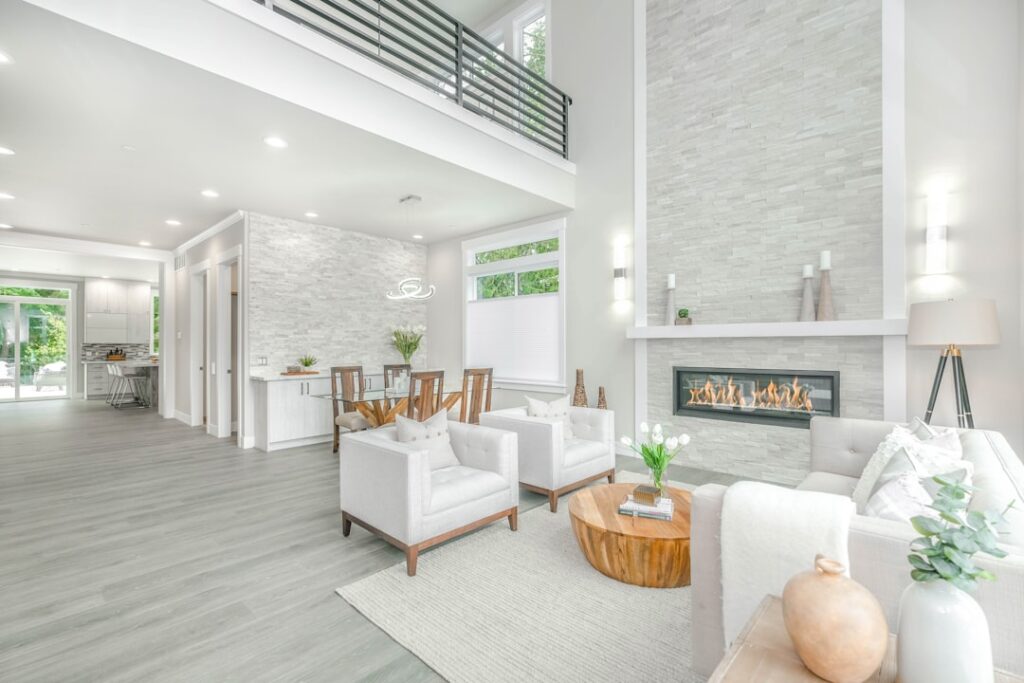
Walk into almost any room and a brown oriental rug does two jobs at once: it anchors the furniture and it forgives the everyday mess that lighter rugs broadcast. Brown is the workhorse color of the oriental rug world for a reason. It hides paw prints, dropped coffee, and the gray grit that hardwood floors track in, while still reading as warm and intentional. The catch is that “brown” covers a huge range, from pale camel to near-black walnut, and the quality gap between two rugs that look similar online can be enormous. This guide walks you through what actually matters before you buy.
What Makes a Rug “Oriental”
The term refers to rugs traditionally hand-knotted in a band stretching from Turkey and Iran through the Caucasus, Central Asia, India, and China. A true oriental rug is knotted one tuft at a time onto a foundation of cotton, wool, or silk warps. That construction is what gives these rugs their density, their slight irregularity, and their ability to last 50 to 100 years. Machine-made “oriental-style” rugs copy the patterns but are woven on power looms, so they wear differently and cost a fraction of the price.
Neither is wrong. A power-loomed polypropylene rug in a brown Heriz pattern might run $150 for an 8×10 and survive a mudroom. A hand-knotted wool piece of the same size can run $1,500 to $8,000 and become a family heirloom. Decide which job the rug is doing before you shop, because the price tells you almost nothing on its own.
Why Brown Works So Well
Brown sits next to almost every wood tone, which is why it disappears into a room the way bolder colors never do. Against red oak or walnut floors, a brown rug reads as a layered, collected look rather than a competing statement. It also bridges warm and cool palettes. Pair a rust-and-chocolate Persian with cream walls and the room feels cozy; set the same rug against charcoal and brass and it turns modern.
From a maintenance angle, brown is the single most practical field color you can pick. Soil, the technical term for the dirt ground into fibers, is itself brownish-gray. On an ivory rug every footpath shows within months. On a brown rug that same soil hides for years, which is a real advantage in entryways, dining rooms, and homes with kids or dogs.
Reading Quality Before You Buy
You don’t need to be an appraiser to separate a good rug from a throwaway. Run through these checks in order:
- Flip it over. On a hand-knotted rug the pattern is visible on the back, and you can see individual knots. The finer the weave, the higher the knot count, often 100 to 400 knots per square inch on quality pieces.
- Bend the pile back. Wool should feel springy and slightly lanolin-rich. If it feels dry and brittle, the wool is low grade or over-washed.
- Check the fringe. On a genuine hand-knotted rug the fringe is the foundation itself, not sewn-on tassels. Glued or stitched fringe signals machine production.
- Look at the edges. Selvedges (the bound long sides) should be tight and even. Loose or fraying edges mean a short remaining lifespan.
For a brown oriental rug specifically, look closely at the dye depth. Cheap browns are flat and muddy. Better rugs show abrash, the subtle horizontal striations from hand-dyed wool, which gives the brown real dimension.
Sizing the Rug to the Room
The most common mistake is buying a rug that’s too small, which makes a room feel like the furniture is floating on a postage stamp. Use these rules of thumb:
- Living room: at minimum, the front legs of every seating piece should sit on the rug. An 8×10 suits most standard living rooms; go to 9×12 for larger open-plan spaces.
- Dining room: the rug should extend at least 24 inches past the table on all sides so chairs stay on the rug when pulled out. A 6-foot table usually needs a 9×12.
- Bedroom: a 9×12 under a queen or king bed leaves a comfortable border of rug on three sides for bare feet in the morning.
A brown rug gives you a little forgiveness here. Because it recedes visually, a slightly oversized brown rug looks grounded rather than overwhelming.
Care That Actually Extends the Life
A quality oriental rug rewards basic maintenance with decades of service. Vacuum weekly with the beater bar turned off or set high; aggressive brushing rips wool fibers loose over time. Rotate the rug 180 degrees twice a year so foot traffic and sunlight wear it evenly. Always use a quality rug pad underneath, not only for comfort but to stop the rug from sliding and to reduce abrasion against the floor.
For spills, blot, never rub, and work from the outside of the spot inward. Plain water handles most fresh accidents. For anything deeper, professional hand-washing every three to five years is worth the $3 to $6 per square foot it typically costs, since it cleans the wool without the harsh chemicals that strip lanolin.
Styling a Brown Oriental Rug
Because the field does so little visual shouting, you have freedom with everything around it. Layer in a few accent colors pulled from the rug’s border, often blues, terracottas, or golds, in throw pillows or art. Keep larger upholstery in neutrals and let the rug carry the pattern. If your floors are dark, a brown rug with lighter highlights keeps the area from going flat. Over light floors, a deeper walnut-toned rug adds welcome contrast.
Shades of Brown and What They Signal
Not all browns behave the same way in a room, so it helps to think in terms of undertone. Warm browns lean toward red, rust, and chestnut, and they make a space feel cozy and traditional. Cool browns drift toward taupe, gray, and mushroom, which reads more contemporary and pairs naturally with modern furniture. Then there’s value, how light or dark the brown is. A pale camel or sand-toned rug brightens a dark room and keeps things airy, while a deep walnut or espresso anchors a light room and adds drama. Before you buy, hold a sample against your floors, walls, and a piece of upholstery in your actual lighting, since browns shift dramatically between daylight and warm lamplight.
Antique vs. New: What You’re Paying For
Brown oriental rugs span a huge age range, and age changes both the look and the price. A genuine antique rug, generally one over 80 years old, carries softened colors, natural abrash, and a patina that newer rugs can’t fake, and well-preserved examples can appreciate over time. New hand-knotted rugs give you the same construction quality with fresher, more uniform color and a lower entry price. Vintage rugs in the 30-to-80-year range often hit the sweet spot, real character and broken-in softness without antique pricing. If a “100-year-old Persian” is being sold for a few hundred dollars, be skeptical; true antiques are valued accordingly, and bargains that good usually aren’t what they claim.
The Bottom Line
A brown oriental rug is one of the safest, most versatile flooring investments you can make, precisely because it is so forgiving in both color and use. Buy the best construction your budget allows, size it generously, give it a good pad and routine care, and it will outlast the furniture you put on top of it. Match the undertone and value of the brown to your room’s lighting, decide between antique character and new uniformity, and check the construction before you pay. Whether you choose a hand-knotted Persian or a budget-friendly power-loomed version, the brown field will keep doing its quiet job long after trendier colors would have shown their age.


