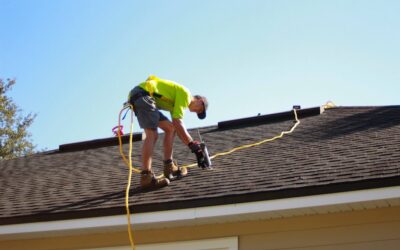
Butyl caulk is the sealant nobody puts on a showroom endcap and every roofer, gutter installer, and RV tech keeps by the case. Butyl rubber sealant is a solvent-based synthetic rubber that never fully hardens: it stays tacky, gummy, and aggressively sticky for decades, which makes it nearly useless for pretty interior joints and nearly irreplaceable for sealing overlapping metal, damp surfaces, and anything that vibrates. I’ve pulled apart 25-year-old gutter seams where the butyl inside was still soft and still sealing. This guide explains what the chemistry does differently, the specific jobs where butyl beats silicone and polyurethane outright, its genuine downsides, and how to work with a material that behaves like warm chewing gum.
Part of our Paint & Walls guide — explore the full guide →
What Makes Butyl Different
Most sealants cure to a defined rubber: silicone crosslinks with moisture, polyurethane cures firm, acrylic dries hard. Butyl is different. It’s polyisobutylene rubber dissolved in solvent; when the solvent flashes off, what remains is a permanently plastic (non-curing or barely curing) mass. Three properties fall out of that:
- Permanent tack. Butyl grips and keeps gripping. If a joint shifts, butyl flows slightly and re-seats instead of tearing. That’s called self-healing, and no cured sealant does it.
- Adhesion to difficult surfaces. It bonds to damp, dusty, oily-ish, and cold metal that would reject silicone or polyurethane. Roofers can seal flashing in weather that shuts down every other cartridge on the truck; many butyls apply down to 20°F or lower.
- Outstanding water and vapor seal. Butyl rubber has among the lowest water-vapor transmission rates of any elastomer, which is why it seals insulated glass units, EPDM roof seams, and vapor barriers.
The same properties are its weaknesses: it never firms up, so it collects dirt, can’t be sanded or crisply painted (some formulas take paint poorly and slowly), strings like mozzarella when you gun it, and has limited resistance to solvents and prolonged direct UV unless it’s a UV-stabilized formula. Movement capability in shear and lap joints is excellent, but in exposed, wide expansion joints a modern hybrid outperforms it.
The Jobs Where Butyl Wins Outright
- Gutter seams and end caps. The inside of a gutter is submerged, gritty, and thermally cycling. Butyl gutter seal (OSI GS121, Geocel gutter formulas) is the industry answer; silicone peels off oxidized aluminum, and polyurethane hates the constant wet grit.
- Metal roof laps and flashing. Between overlapping panels and under screw lines, butyl tape or gunnable butyl seals invisibly and flexes with panel movement forever. This is a concealment application, which suits butyl’s ugly finish perfectly.
- Drip edge, step flashing, chimney counter-flashing laps. Sticky, watertight, and appliable on a cold damp roof in November.
- Mobile home, RV, and trailer seams. Vibration destroys rigid sealants; butyl’s permanent flexibility is why the RV industry runs on butyl tape under every window and trim rail.
- Below-grade and concealed laps: sill sealers, foundation-to-sill details, sealing polyethylene vapor barriers (acoustical/sheathing butyl), and duct connections.
- Threaded and compression details like sealing under flange bolts, vent boots, and hardware on metal buildings.
Gunnable Butyl vs. Butyl Tape
Butyl caulk comes in two forms, and picking the right one is half the skill. Gunnable cartridge butyl ($6 to $10 per 10.1-ounce tube) is for seams, laps, and irregular joints: gutter seams, flashing terminations, filling a lapped corner. Butyl tape ($8 to $20 per roll, in widths from 1/2 inch to 2 inches and thicknesses from 1/32 to 1/8 inch) is a pre-formed rope or flat ribbon you press between two surfaces before fastening: under RV windows, between metal roof panels at laps and closures, behind exterior trim penetrations. Tape gives a perfectly uniform bead with zero stringing and is by far the cleaner experience; use it anywhere two parts get mechanically clamped together. Use the gun where geometry is irregular or the joint is already assembled.
How to Apply Gunnable Butyl Without Making a Mess
- Warm the tube. Cold butyl is nearly ungunnable. Keep cartridges in the cab or indoors; in winter, a bucket of warm water for ten minutes transforms the material.
- Prep is forgiving but not optional. Wire-brush loose rust and flaking paint, knock off standing grit, and wipe greasy metal with mineral spirits. Damp is acceptable; puddled is not.
- Cut the tip bigger than you think. A 1/4-inch opening minimum. Butyl is too viscous for fine beads, and trying to gun a thin bead just makes strings.
- Gun, release, and twist away. At the end of each run, release the gun’s pressure early and twist the tip as you lift to break the string. Keep mineral spirits and rags within reach; butyl on hands transfers to everything you touch for the next hour. Wear nitrile gloves and swap them often.
- Tool with a solvent-dampened tool, not a bare finger. A putty knife or spoon wiped with mineral spirits smooths butyl; a dry finger just picks it up.
- Give it skin time before water. Butyl sheds rain almost immediately, but solvent-release formulas keep shrinking slightly for days as solvent leaves. On a wide gutter seam I run a second pass the next day if the first sank.
Butyl vs. the Other Chemistries
| Property | Butyl | Silicone | Polyurethane | Acrylic latex |
|---|---|---|---|---|
| Cures | Never fully (stays plastic) | Firm rubber | Firm rubber | Hard, shrinks |
| Damp/cold application | Best | Poor | Fair | Poor |
| Adhesion to metal laps | Best | Good (clean only) | Good | Weak |
| Visible finished look | Worst | Good | Good | Best (painted) |
| Paintable | Poorly/slowly | No | Yes | Yes |
| Typical exposed lifespan | 5–10 yrs (20+ concealed) | 20+ yrs | 10–20 yrs | 2–7 yrs |
| Tube price | $6–$10 | $8–$15 | $7–$14 | $2–$6 |
The pattern to remember: butyl for concealed laps, damp metal, and vibration; silicone and hybrids for exposed weathering joints; polyurethane for structural masonry and concrete; acrylic for painted interiors. A buyer cross-shopping butyl against a hybrid for visible siding joints should take the hybrid; a buyer sealing a gutter should not.
Removal and Rework
Because butyl never hardens, old butyl removes better than any cured sealant: scrape the bulk with a plastic putty knife (warm it with a heat gun on low to soften), then dissolve residue with mineral spirits or citrus solvent. That easy rework is another reason it dominates in gutters and RV work, where seams get serviced on a schedule. The flip side: never apply a curing sealant over butyl residue. Silicone and polyurethane won’t bond to the waxy film, so if you’re switching chemistries on an old joint, solvent-clean down to bare substrate first.
Buying Guide: What to Look For on the Label
The butyl shelf is small but not uniform, and a few label details separate the product that lasts from the one that dries and cracks. First, look for the words “butyl rubber” as the primary polymer, not “butyl-flavored” blends where acrylic does most of the work; the blends tool prettier and perform worse on metal. Second, check the service temperature range: quality gutter and flashing grades list something like minus 30°F to 200°F, which matters on a roof that swings a hundred degrees between January and July. Third, for anything visible, note the color options; gutter butyls come in white, brown, and clear-amber, and the amber ages least noticeably on mill-finish aluminum. Fourth, for tape, thickness is the spec that matters: 1/8-inch tape conforms to corrugated panel profiles and screw-line irregularities, while 1/32-inch tape is for flat laps and window flanges. Finally, if the joint will ever see paint, read the paintability line skeptically; some butyls accept latex paint after a long flash-off period, but the film stays soft underneath and the paint will alligator over time, so plan for concealed placement instead.
Shelf life runs long, three to five years unopened, and unlike moisture-cure sealants, a partially used butyl cartridge with a sealed tip is often still usable a year later, another quiet advantage for the homeowner who seals one gutter seam a season.
My honest bottom line: butyl caulk is a specialist, and within its specialty it has no equal. If the job involves two pieces of overlapping metal, a surface that’s damp or cold, a seam that vibrates, or a joint that lives underwater in grit, like the inside of every gutter in America, reach for butyl and don’t overthink it. If the joint is visible, painted, or wide and exposed to the sun, leave the butyl in the truck. Keep one tube of gutter-grade butyl and one roll of 1-inch butyl tape in your shop, and a surprising number of the leaks that stump general-purpose caulk become ten-minute fixes.