It is one of the most misunderstood cleaning problems in the home, and the honest answer surprises people. When homeowners ask can you get rid of bleach stains, they assume a bleach mark is like any other stain that can be lifted out with the right product. It is not. A bleach stain is not a deposit sitting on top of the fibers, it is the absence of color where the bleach has chemically stripped the dye away. Because the original color is gone, no cleaner can restore it. What you can do is add color back, mask the spot, or work the discoloration into the design.
- Why Bleach Stains Are Permanent
- Recoloring With Fabric Dye
- Masking and Creative Fixes
- Bleach Stains on Carpet and Upholstery
- Bleach Marks on Wood, Stone, and Other Surfaces
- What Determines Whether a Spot Can Be Saved
- The Safety Rule You Must Not Ignore
- Preventing Bleach Stains Going Forward
- The Honest Bottom Line
Why Bleach Stains Are Permanent
Household bleach (sodium hypochlorite) works by oxidizing color molecules, breaking the chemical bonds that make a dye visible. Once those bonds are broken, the dye is destroyed, not displaced. That is why a bleach splash on dark jeans turns orange, yellow, or white, the bleach removed the surface dye but the underlying base color shows through. There is no solvent, soap, or stain remover that rebuilds destroyed dye. Anyone selling a product that promises to “remove” a true bleach stain is misrepresenting what happened to the fabric.
Recoloring With Fabric Dye
The most reliable repair for clothing is adding color back. For a large bleach mark or several spots, dyeing the entire garment a similar or darker shade gives the most even result.
- Whole-garment dye: Use an all-purpose dye matched to the original color or one shade darker. Dyeing the whole item avoids a patchy two-tone look.
- Spot dyeing: Fabric markers or fabric paint can fill in a small spot, but matching the exact shade is difficult and the area may look slightly off in bright light.
- Go darker: If matching is hopeless, overdyeing the garment black or a deep tone hides the damage completely.
Test any dye on an inside seam first, and remember that bleach can also weaken fibers, so a heavily bleached spot may be thin or prone to tearing even after recoloring.
Masking and Creative Fixes
When dyeing is not practical, hide the spot. A patch, embroidered detail, or iron-on appliqué can turn a flaw into a feature. On a shirt collar or hem, a small bleach mark can sometimes be folded or pressed out of view. Some people lean into it and bleach the garment intentionally for a tie-dye or distressed effect, converting an accident into a deliberate pattern. These are honest workarounds, not removals, but they often produce a perfectly wearable result.
Bleach Stains on Carpet and Upholstery
The same physics applies to carpet and furniture. Bleach destroys the carpet’s dye, leaving a lighter patch. Options are limited but real: a professional carpet dye technician can spot-tint the fiber to blend it with the surrounding color, which is the best outcome for a visible spot. For severe damage, a carpet repair pro can cut out the bleached section and patch in a piece from a closet or leftover remnant. On upholstery, fabric dye pens or professional reupholstery are the practical choices.
Bleach Marks on Wood, Stone, and Other Surfaces
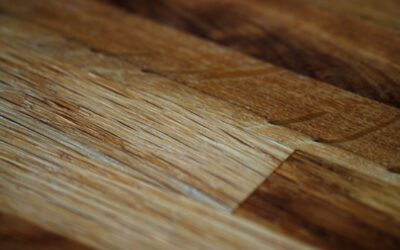
On finished wood, bleach can lighten the stain and dull the finish. Light cases may improve by reapplying matching wood stain to the spot and resealing. On natural stone like granite or marble, bleach can etch or lighten the surface, and the fix is professional refinishing rather than cleaning. For grout, a bleach “stain” is usually just lightening, and re-coloring the grout with a grout colorant restores a uniform look.
What Determines Whether a Spot Can Be Saved
Not every bleach mark is equally hopeless, and a few factors decide how good your repair can be. The first is how much dye was destroyed, a faint lightening is far easier to mask or re-tint than a stark white spot on a dark item. The second is the fabric or material itself, natural fibers like cotton and wool take dye readily, while many synthetics resist it, making spot recoloring difficult. The third is location, a bleach mark hidden in a seam, hem, or low-traffic area of carpet is much easier to live with or disguise than one in the middle of a shirt front. Finally, consider the value of the item. Whole-garment dyeing or professional carpet tinting makes sense for something you love or that was expensive, while a worn-out towel may simply not be worth the effort. Assess these factors honestly before deciding whether to repair, repurpose, or replace.
The Safety Rule You Must Not Ignore
While treating bleach issues, never mix bleach with other cleaners. Combining bleach with ammonia produces toxic chloramine vapors, and combining it with vinegar or other acids releases chlorine gas. Both can cause serious respiratory harm. If you are working near a fresh bleach spill, ventilate the area, wear gloves, and keep other chemicals away. Many accidental bleach marks happen during cleaning precisely because people combine or splash products carelessly. This warning is worth repeating because it is the most dangerous mistake in the whole topic: use only one cleaning product at a time, rinse surfaces thoroughly before switching products, and open windows for airflow. No stain repair is ever worth risking your lungs.
Preventing Bleach Stains Going Forward
Prevention is far easier than any repair. Keep bleach and bleach-based cleaners away from colored fabrics, and change into old clothes before scrubbing bathrooms or whitening laundry. Many “mystery” bleach spots come from cleaning sprays, acne medications, and benzoyl peroxide products that bleach towels and shirts on contact. Store these away from good linens, and rinse hands and surfaces after use.
The Honest Bottom Line
So, can you get rid of bleach stains? Not in the literal sense, the lost color cannot be cleaned back into the material. But you are far from out of options. Recoloring with dye, spot-tinting carpet, patching, or masking can make the damage disappear visually, and on many items the result is good enough that no one notices. Set the right expectation first, then choose the repair that fits the material, and you can often save a garment or surface you assumed was ruined.