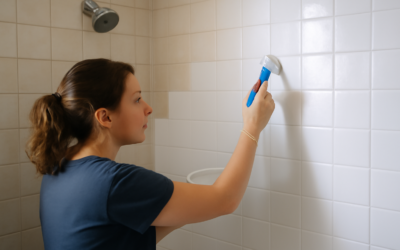
The short answer is yes, but only with the right product and the right prep. Standard latex bathroom paint peels off ceramic tile in under a year and bubbles off fiberglass shower surrounds even faster. So can you paint shower walls? Yes, with two-part epoxy refinishing kits, specialty tile paint, or acrylic urethane systems designed for high-moisture environments. Done correctly, a paint refresh costs $80 to $250 and buys you 5 to 8 years before the surface needs replacement.
Part of our Bathroom Remodeling & Flooring guide — explore the full guide →
What Surfaces Can Be Painted
Ceramic and porcelain tile accept specialty paint after careful surface prep. Fiberglass and acrylic shower surrounds also accept refinishing paint. Cultured marble can be painted with specialty primer and topcoat. Cement board (Hardibacker, Durock, Wonderboard) takes elastomeric paint but really should be tiled instead since it sits as a substrate by design.
Natural stone like marble, travertine, and slate should never be painted. The natural pores absorb the product unevenly, and the coating traps moisture against the stone, accelerating spalling and biological growth.
Best Products for the Job
Rust-Oleum Tub and Tile Refinishing Kit ($30 to $40) is the most widely used option. It is a two-part epoxy that coats tile and fiberglass with a durable acrylic urethane finish. One kit covers about 100 square feet at proper film thickness. Apply with a foam roller and brush, and expect 24 to 48 hours of cure time before water exposure.
Homax Tough as Tile Brush-On ($25 to $35) uses similar two-part epoxy chemistry and gives a brushable consistency. EkoPel 2K ($170 to $200) is a thicker epoxy that self-levels to a porcelain-like finish in a single coat. For tile only, Beyond Paint ($30 for a quart) and Rust-Oleum Specialty Tile Transformations work well at lower cost.
Surface Prep That Determines Success
Clean the entire shower with a degreaser like Krud Kutter Original or Bar Keepers Friend. Soap film, body oil, and silicone caulk residue cause peeling no matter how good the paint. Use a scrub brush with stiff nylon bristles and rinse thoroughly with clean water. Dry with cotton cloths and let air-dry for at least 4 hours.
Sand the entire surface with 400 to 600-grit sandpaper to create mechanical bite. Skip this step on a fiberglass tub at your peril. Without sanding, even the best epoxy peels within 18 months. On ceramic and porcelain tile, use 220-grit on the tile faces and a Dremel with a diamond bit to scuff the grout lines.
Removing Old Caulk and Sealing Edges
Cut out all existing caulk with a utility knife and remove residue with mineral spirits or a 3M caulk removal tool. Any leftover silicone causes immediate paint failure at the bond line. After painting and 72 hours of cure time, re-caulk with 100 percent silicone like GE Sealants Supreme Silicone or Loctite Polyseamseal Tub and Tile.
Tape off non-paint surfaces with FrogTape Delicate Surface in light blue. The lower tack prevents paint from peeling when removed. Tape edges, fixtures, and floor seams.
Application Technique
Mix two-part products in small batches because pot life is typically 6 to 8 hours. Pour into a paint tray, load a 4-inch foam roller, and apply in thin even coats. Cross-roll to avoid streaks. Cut in corners and tight spots with a 1-inch nylon brush.
Apply 2 to 3 coats with 4 to 6 hours of dry time between coats. The first coat will look uneven and patchy. Trust the process. By the third coat the finish levels out to a uniform sheen. Watch for runs in vertical sections and tip them out with a dry brush immediately.
Cure Time and First-Use Expectations
Allow at least 72 hours after the final coat before any water contact. Full cure takes 7 days. During this window, ventilate the bathroom with a window fan or the existing exhaust fan running 24 hours a day. Keep the temperature between 65 and 85 degrees Fahrenheit for proper resin cure.
Once cured, the surface handles daily showers, but treat it gently for the first month. Use only pH-neutral cleaners like Method Daily Shower Spray or Mrs. Meyer’s Multi-Surface. Skip Comet, Soft Scrub, or Magic Erasers, which strip the finish gloss and shorten lifespan.
Longevity and Realistic Expectations
A properly applied epoxy refinish lasts 5 to 8 years in a residential shower with normal use. Heavy daily use or a family of 5 pushes the timeline closer to 3 to 5 years. Surface scratches from rings, watches, or aggressive scrubbing eventually wear through the coating to the original substrate.
Touch-ups blend better when done within the first 2 years because the original finish has not yet yellowed or hardened. After year 5, plan to strip and refinish the entire surface rather than spot-repair.
Painting Just the Tile Grout
If the tile itself is in good shape but the grout looks stained, grout paint or grout colorant gives the appearance of fresh grout without the full refinishing project. Polyblend Grout Renew ($20 a bottle) and Aquamix Grout Colorant cover stains and unify the color across a tile field in 1 to 2 hours of work.
Clean grout thoroughly first with oxygen bleach or a grout brush. Apply the colorant with a small artist brush, working in 4 by 4 foot sections. Wipe excess off tile faces immediately with a damp sponge. Allow 24 hours of cure before water exposure.
When to Skip Paint and Tile Instead
If the underlying tile is cracked, has loose grout, or shows water damage, paint is a temporary cosmetic fix that hides bigger problems. Mold behind tile or rotten substrate calls for full demo and replacement. A complete tile shower demo and retile project runs $3,500 to $8,000 in most US markets, compared to $80 to $250 in DIY paint costs. So can you paint shower walls and get acceptable results? Yes, when the surface is sound, the prep is thorough, and you commit to gentle cleaning routines for the life of the finish.