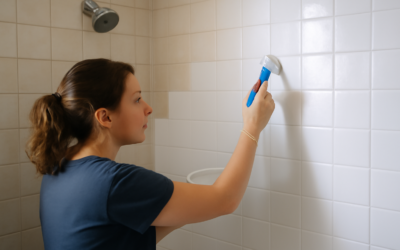
Retiling a shower costs $1,500-$5,000. Painting it costs $50-$200 in materials and a weekend of labor. Shower paint is a legitimate option for refreshing outdated tile, fiberglass surrounds, and acrylic tub/shower units — but only with the right product and meticulous surface preparation. Standard wall paint will peel within weeks in a shower. Specialized epoxy and acrylic-urethane coatings bond to glossy surfaces, resist moisture, and hold up to daily shower use for 3-7 years before needing refresh.
Part of our Bathroom Remodeling & Flooring guide — explore the full guide →
Best Shower Paint Products
- Rust-Oleum Tub & Tile Refinishing Kit ($25-$35): Two-part epoxy acrylic. Covers tile, fiberglass, porcelain, and ceramic. Available in white and almond. Apply with a foam roller for the smoothest finish. 3 days cure time before water exposure. The most popular consumer shower paint product
- Rust-Oleum Specialty Tub & Tile Spray ($12-$15 per can): Aerosol spray version for smaller areas and hard-to-reach surfaces. Same epoxy acrylic formula. Multiple thin coats produce the best result. Each can covers approximately 15-20 square feet
- DAICH SpreadStone Countertop Finishing Kit ($80-$100): Real stone chip coating that provides texture and a stone-like appearance. Works on shower walls and tub surrounds. More durable than smooth epoxy coatings. Available in several neutral stone colors
- XIM Tile Doc ($30-$40 per quart): Professional-grade epoxy primer/paint designed specifically for glazed ceramic and porcelain tile. Excellent adhesion without sanding. Available through specialty paint stores and online
Surface Preparation (Critical)
Preparation determines whether shower paint lasts 6 months or 6 years. The most common failure — peeling within weeks — results from painting over soap residue, body oil, or glossy surfaces that prevent adhesion. Dedicate 2-3 hours to prep even though the actual painting takes only 1 hour:
- Deep clean: Scrub every surface with TSP (trisodium phosphate) solution to remove soap scum, body oil, and mildew. Rinse thoroughly. Let dry completely
- Repair damage: Fill any chips, cracks, or holes with a two-part epoxy filler ($6-$10). Sand smooth after 24 hours. Regrout any missing or deteriorated grout joints
- Sand or etch: Lightly sand all surfaces with 400-grit wet/dry sandpaper to remove the gloss and create mechanical tooth for the paint. Alternatively, apply a liquid etcher/deglosser ($8-$12) per label directions. This step is non-negotiable — epoxy will not adhere to glossy, unsanded tile
- Final clean: Wipe all sanded surfaces with a tack cloth or damp lint-free rag to remove every particle of sanding dust. Any dust under the paint creates bumps and weak adhesion points
- Mask everything: Tape off fixtures, faucet trim, glass edges, and any surfaces that should not be painted. Use painter’s tape rated for clean removal (FrogTape or 3M ScotchBlue)
Application Method
Mix the two-part epoxy components per the product instructions (typically equal parts A and B). Most products have a pot life of 6-8 hours after mixing — work efficiently. Apply with a high-density foam roller (4-6 inch) for the smoothest finish on flat surfaces. Use a quality synthetic brush for corners, grout lines, and around fixtures. Apply two thin coats rather than one thick coat — thin coats cure harder, bond better, and resist peeling longer.
Allow 4-6 hours between coats (check the specific product instructions). The surface should be dry to the touch but slightly tacky — this provides the best inter-coat adhesion. After the final coat, the critical step: cure time. Most shower epoxy paints require 72 hours (3 full days) of curing before water contact. Do not use the shower, get the surface wet, or allow humidity from other bathroom activities during this period. Rushing the cure is the second most common cause of premature failure after inadequate prep.
Realistic Durability Expectations
A well-prepped, properly applied shower paint job lasts 3-7 years in daily-use showers. High-traffic areas (shower floor, areas around handles and showerhead) may show wear first. Touch-up kits ($10-$15) extend the life by addressing isolated chips and wear spots before they spread. The finish eventually requires repainting — plan for a refresh every 5 years as ongoing maintenance rather than a permanent solution.
Shower paint works best as a cosmetic refresh for functionally sound tile or surrounds that are simply outdated in color or style. It is not appropriate for surfaces with structural damage, widespread grout failure, or active water intrusion behind the walls. Those conditions require proper repair or retiling — paint over structural problems traps moisture and accelerates the damage rather than solving it. Always address underlying waterproofing and structural issues before applying any cosmetic shower paint treatment.
Shower Paint vs. Retiling vs. Surround Panels
- Shower paint ($50-$200): Lowest cost, fastest completion (weekend project), shortest lifespan (3-7 years). Best for budget refreshes and rental properties
- Acrylic surround panels ($300-$800 DIY): Snap-together panels that cover existing tile. 10-15 year lifespan. Mid-range cost and effort. Clean, modern look without demolition
- Retiling ($1,500-$5,000): Highest cost, longest lifespan (20-30 years), most labor-intensive. The permanent solution when budget and timeline allow
Shower paint is the right choice when you want an immediate visual improvement at minimal cost, when the existing surface is structurally sound but aesthetically dated, or when you plan a full renovation in 3-5 years and need a presentable interim solution. It is the wrong choice if the shower has active leaks, failed waterproofing, or mold behind the tiles — those problems require remediation before any cosmetic treatment.