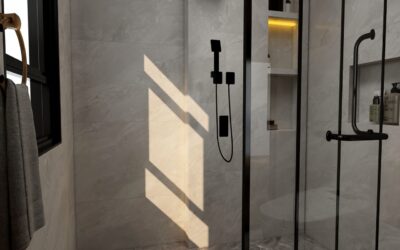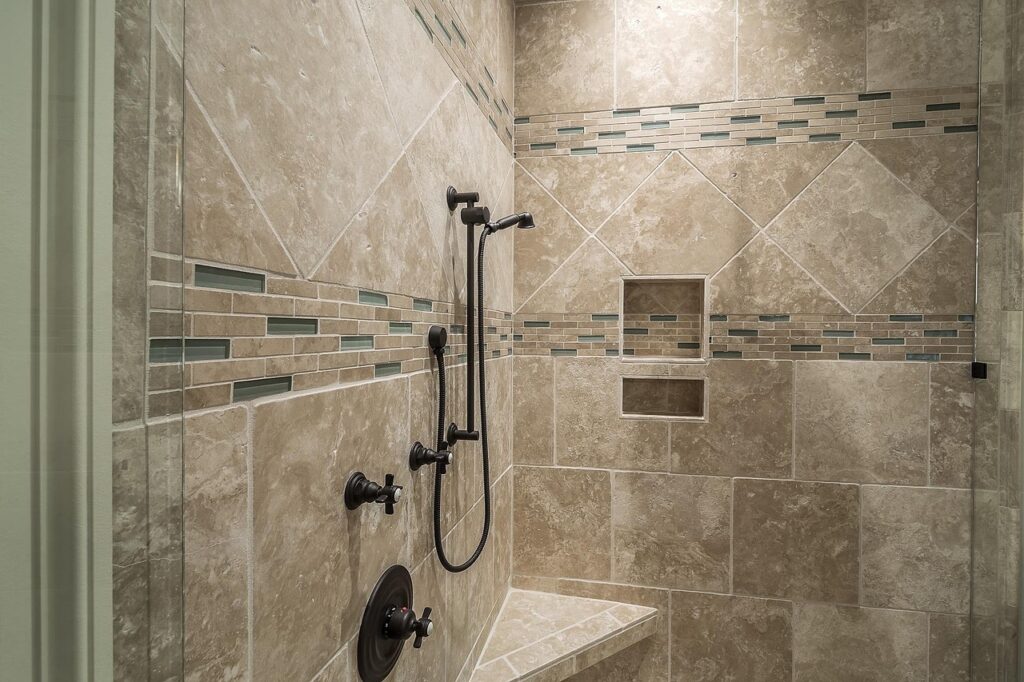
If your skin feels tight and your hair looks dull after a shower, your water is probably the culprit, and a canopy shower head filter is one of the simplest fixes on the market. Canopy built its name on humidifiers, then applied the same aesthetic-driven, filter-forward design to the shower. The result is a filtered shower head and inline filter system aimed at reducing chlorine, heavy metals, and hard-water minerals that dry out skin and scalp.
Part of our Bathroom Remodeling & Flooring guide — explore the full guide →
This guide explains what the filter actually removes, how it installs in about ten minutes without a plumber, what the hardware and replacement filters cost, and how to keep it working. If you have hard or heavily chlorinated municipal water, the difference after a few weeks is noticeable.
- What the Canopy Filter Removes
- How the System Is Designed
- Installation in Under Ten Minutes
- Filter Life and Replacement Costs
- What You Will Notice After Switching
- How It Compares to Other Shower Filters
- Matching the Filter to Your Water
- Real-World Value Over a Year
- Maintenance and Troubleshooting
- Is It Worth Buying?
What the Canopy Filter Removes
Most municipal water is treated with chlorine or chloramine to keep it safe, and it often carries dissolved calcium and magnesium, the minerals that make water hard. Those additives keep you healthy but are rough on skin and hair, stripping natural oils and leaving a filmy residue. The Canopy filter uses a multi-stage media, typically KDF-55 and calcium sulfite, to reduce chlorine and neutralize some heavy metals as water passes through.
Here is what a filter like this realistically addresses:
- Chlorine: reduced significantly, cutting the dry, itchy feeling and the pool-like smell
- Heavy metals: KDF media captures some dissolved metals like lead and mercury traces
- Hard minerals: softened somewhat, though a shower filter is not a whole-house water softener
Be realistic about limits. A point-of-use shower filter improves the water you bathe in, but it will not fully soften water for your whole home the way a tank-based softener does. For shower comfort, though, it delivers.
How the System Is Designed
Canopy offers a filtered shower head and, in some configurations, an inline filter that mounts between your shower arm and an existing head. The KDF and calcium sulfite media sit inside a replaceable cartridge. Water enters, flows through the media bed, and exits through the spray face already treated.
The design leans on Canopy’s signature look: clean metal finishes in chrome, nickel, and matte black to match modern bathroom fixtures. Beyond aesthetics, the useful engineering choice is the tool-free cartridge swap, which keeps ongoing maintenance from becoming a chore.
Installation in Under Ten Minutes
You do not need a plumber for this. The filter threads onto the standard 1/2-inch shower arm that nearly every American shower uses. Here is the process:
- Unscrew your existing shower head counterclockwise by hand or with a wrench
- Clean old plumber’s tape off the shower arm threads
- Wrap the threads with two or three turns of fresh PTFE plumber’s tape
- Thread on the Canopy filter or filtered head, hand-tight plus a quarter turn
- Run the shower two minutes to flush the new media and check for leaks
If you see a drip at the joint, back the head off and add another wrap of tape. Do not overtighten with a wrench, because that can crack the housing threads.
Filter Life and Replacement Costs
Replacement cadence is where the ongoing cost lives. Canopy shower filters typically last about three months or roughly 10,000 gallons, whichever comes first. A household with two or three daily showers will hit the three-month mark before the gallon limit.
Budget accordingly:
- Filtered shower head or starter kit: roughly $50 to $90
- Replacement cartridges: about $18 to $30 each, or less on a subscription
- Annual filter cost: roughly $70 to $120 with quarterly swaps
A subscription auto-ships filters so you do not run past the change date, which is genuinely useful because spent media stops working long before you would notice by eye. Mark the install date on the cartridge or your phone so you swap on schedule.
What You Will Notice After Switching
Give it two to four weeks. Most people report skin that feels less tight, hair that holds moisture better, and the disappearance of that faint chlorine smell in the bathroom. If you color your hair, filtered water can slow the fading that chlorinated water accelerates. People with eczema or sensitive skin often see the clearest benefit because chlorine is a known irritant.
Water pressure is a common concern. A properly maintained filter has minimal impact on flow, but a clogged, overdue cartridge will noticeably choke pressure. If your shower feels weak, the filter is almost always the first thing to check.
How It Compares to Other Shower Filters
The Canopy is not the only filtered shower option, and it helps to know where it sits. Most shower filters fall into three camps: inline filters that thread between the arm and your existing head, filtered shower heads that combine both, and vitamin C filters that specifically neutralize chlorine and chloramine with ascorbic acid.
Canopy competes mainly on design and a subscription-driven replacement model that keeps fresh media in the line. KDF and calcium sulfite media, like Canopy uses, are effective against free chlorine and some metals. Vitamin C filters excel at neutralizing chloramine, the tougher-to-remove disinfectant some cities use, so if your utility uses chloramine specifically, confirm the media handles it. For most chlorinated municipal supplies, a KDF-based filter like this performs well.
- KDF/calcium sulfite (Canopy): good all-around chlorine and metal reduction, quarterly swaps
- Vitamin C: strongest on chloramine, but cartridges deplete faster
- Carbon block: broad filtration but can restrict flow at shower pressures
Matching the Filter to Your Water
Before buying, find out what is actually in your water. Your municipal utility publishes an annual water quality report, often called a Consumer Confidence Report, that lists chlorine or chloramine use and hardness. If you are on a private well, a home test kit tells you hardness and iron levels.
This matters because a shower filter targets specific contaminants. If your water is chlorinated and moderately hard, a Canopy-style filter is a strong fit. If you have extremely hard water, above roughly 10 grains per gallon, a point-of-use filter helps skin comfort but will not stop scale buildup on fixtures the way a whole-house softener does. And if your issue is iron staining rather than chlorine, you need a different media entirely. Knowing your water first prevents disappointment.
Real-World Value Over a Year
Run the numbers before committing. A starter kit at $50 to $90 plus four cartridges a year at $18 to $30 each puts your first-year cost around $120 to $210, then roughly $70 to $120 a year after. Compared to the cost of extra conditioner, lotion, and hair products people buy to fight dry skin and hair, many find the filter pays for itself in comfort and reduced product use.
The value is highest for people with sensitive or eczema-prone skin, color-treated hair, or heavily chlorinated municipal water. For someone on already-soft, lightly treated water, the benefit is smaller. Be realistic about your situation, and remember the ongoing filter cost is the real commitment, not the one-time hardware price.
Maintenance and Troubleshooting
The system is nearly maintenance-free beyond cartridge swaps, but a few habits keep it performing:
- Replace the cartridge every three months even if flow still seems fine
- Descale the spray face periodically by soaking it in white vinegar to clear mineral buildup
- If pressure drops suddenly, swap the filter before assuming a plumbing problem
- Check the thread joint for leaks after each replacement
Hard-water spray nozzles clog with calcium over time. A 30-minute vinegar soak dissolves the deposits and restores an even spray pattern, a trick that works on virtually any shower head.
Is It Worth Buying?
For the price of a nice dinner up front and about $8 a month in filters, a canopy shower head filter is a low-commitment upgrade that pays off most for people on chlorinated municipal water or with sensitive skin and hair. It will not replace a whole-house softener, and you do have to keep up with quarterly cartridge changes, but the install is trivial and the comfort improvement is real. If your shower water has ever left your skin feeling stripped, this is an easy fix worth trying.