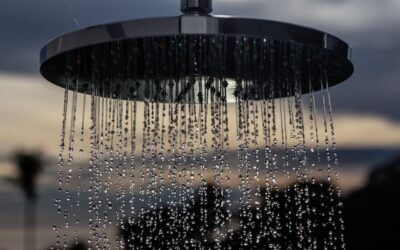
Chlorine in tap water does not just smell faintly of a swimming pool — it strips the natural oils from your skin and hair every time you shower. That is the pitch behind the jolie shower head filter, a filtered showerhead that went viral for promising softer skin, less-frizzy hair, and water that feels noticeably different. Priced around $148 for the head and roughly $33 per replacement cartridge, it sits at the premium end of the filtered-shower category. Before you drop that kind of money on a bathroom fixture, it helps to understand exactly what it does, what it does not, and how it compares to a $25 hardware-store filter.
Part of our Bathroom Remodeling & Flooring guide — explore the full guide →
What the Jolie Filter Actually Removes
The Jolie uses a two-part media system, most notably KDF-55 (a copper-zinc alloy) combined with calcium sulfite. Together these target chlorine and chloramine, the disinfectants most municipal systems add to tap water. Reducing chlorine is where filtered showerheads earn their reputation, because chlorine is the main culprit behind dry, itchy skin and dull hair after showering.
Be clear about the limits, though. This is not a water softener. It does not remove the dissolved calcium and magnesium that cause hard-water scale, and it will not eliminate every contaminant. What it does reliably is knock down chlorine and some heavy metals and sediment. For most people chasing better skin and hair, chlorine is the target that matters.
The Real-World Difference
People who notice the biggest change usually live in areas with heavily chlorinated municipal water. After a week or two of use, common reports include less tightness after toweling off, hair that holds moisture better, and water that simply smells cleaner. If you have color-treated hair, reducing chlorine can help color last longer between salon visits.
If your home already runs on well water with no added chlorine, or you have a whole-house filtration system, the Jolie will do far less because the chlorine it targets is not there to begin with. Match the product to your actual water source before you buy.
Cartridge Life and Ongoing Cost
Jolie rates each cartridge for roughly 90 days of typical household use, which works out to changing it about four times a year. At around $33 each, that is close to $130 annually in cartridges on top of the initial head. Heavy use or several people sharing one shower shortens cartridge life.
- Filter head: roughly $148 up front
- Replacement cartridge: about $33, lasts ~3 months
- Annual filter cost: roughly $130 with quarterly changes
- Subscription options often shave a few dollars off each cartridge
Mark your calendar or set a phone reminder. A spent cartridge quietly stops filtering, and you will not get a warning light — the water just goes back to plain tap.
Installation Takes Five Minutes
This is the easy part. The Jolie threads onto any standard half-inch shower arm, the universal size in American bathrooms. No plumber, no tools beyond maybe a wrench and some plumber’s tape:
- Unscrew your existing showerhead by hand or with a wrench
- Wrap the shower arm threads with a few turns of plumber’s tape
- Insert the cartridge into the Jolie head
- Thread the Jolie onto the arm and hand-tighten, then snug it a quarter turn
- Run the water for a minute to flush the new cartridge
The whole job takes about five minutes. If you rent, this is a fully reversible upgrade — keep your original head in a drawer and swap it back when you move.
Water Pressure and Flow
A common worry with any filter is that it will choke your water pressure. The Jolie is engineered for a strong spray and generally maintains good pressure, though like all fixed showerheads sold in the U.S. it complies with the 2.5 gallons-per-minute flow standard. If you have low household water pressure to begin with, no showerhead will fix that, but the Jolie should not make it noticeably worse. The head comes in several finishes — chrome, matte black, brushed nickel and others — so it can match existing bathroom hardware rather than clash with it.
Jolie vs Cheaper Filters
You can buy a filtered showerhead at a big-box store for $25 to $40, so the obvious question is what the premium buys. The Jolie’s advantages are build quality, a genuinely strong spray pattern, a design that looks intentional in a nice bathroom, and filter media that is well documented. Budget filters often use lower-grade carbon that saturates faster and can slow flow.
That said, a good mid-range filter with KDF media at half the price will remove chlorine too. If your priority is pure function over form, a cheaper filter delivers most of the benefit. The Jolie is for buyers who want the aesthetics and the brand’s dialed-in experience alongside the filtration.
Is It Worth Buying?
The jolie shower head filter is worth it if you live in a city with chlorinated water, struggle with dry skin or lackluster hair, and value a fixture that looks as good as it works. The chlorine reduction is real, the installation is trivial, and the design is a genuine step up from hardware-store filters. Go in with clear expectations: it filters chlorine and some metals, it is not a softener, and the cartridges are an ongoing cost you cannot skip. If those terms fit your water and your budget, it is a small luxury that you feel every single morning.
How to Know If Your Water Needs It
Before you spend anything, find out what is actually in your water. If you are on a municipal supply, your city publishes an annual water-quality report that lists whether it uses chlorine or chloramine and at what levels — a two-minute search usually turns it up. Higher chlorine levels mean you will notice a bigger difference from filtering. You can also buy inexpensive chlorine test strips for a few dollars and test your shower water directly, both before and after installing the filter, to see the reduction for yourself.
Pay attention to your own symptoms, too. Skin that feels tight and itchy right after every shower, hair that stays dull or dries out no matter which shampoo you use, and a faint pool smell from the tap are all signs of meaningful chlorine content. If you already run whole-house filtration or draw from a private well without chlorination, the filter has far less to remove, and your money is better spent elsewhere. Matching the product to your real water source is the single most important step, and it is the one most impulse buyers skip.
Frequently Asked Questions
Does the Jolie filter soften hard water?
No. It reduces chlorine, chloramine, and some heavy metals, but it does not remove the calcium and magnesium that cause hard-water scale. For that you need a dedicated water softener, which is a whole-house system.
How often do I replace the cartridge?
Roughly every 90 days, or about four times a year, at around $33 per cartridge. Heavy use or several people sharing the shower shortens that. Set a phone reminder, since a spent cartridge stops filtering without any warning.
Will it lower my water pressure?
It is designed for a strong spray and generally maintains good pressure while meeting the U.S. 2.5 gallons-per-minute standard. If your home already has low pressure, no filter will improve that, but the Jolie should not make it noticeably worse.
Can I install it myself?
Yes. It threads onto any standard half-inch shower arm in about five minutes with no tools beyond maybe a wrench and plumber’s tape. It is fully reversible, so renters can take it with them.