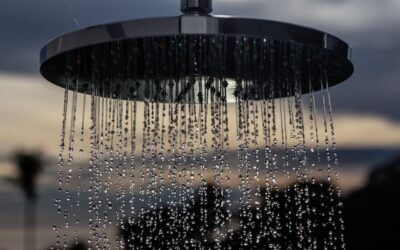
Filtered shower heads went viral on social media, and Jolie became the name everyone recognizes, promising softer skin, shinier hair, and protection from the chlorine and heavy metals lurking in tap water. But at around $165 for the showerhead and an ongoing filter-replacement cost, it’s fair to ask whether the hype holds up. This jolie shower head review cuts through the marketing to look at what the filter actually removes, how the water pressure feels, what installation involves, and whether it’s genuinely worth the money for your bathroom.
Part of our Bathroom Remodeling & Flooring guide — explore the full guide →
What Jolie Claims to Do
Jolie’s pitch centers on water quality. Municipal water is treated with chlorine and sometimes chloramine to kill bacteria, and it can carry trace heavy metals picked up in old pipes. Jolie says its filter removes chlorine and heavy metals to leave you with cleaner water that’s gentler on skin and hair. The company positions it as a wellness product rather than a plumbing upgrade, which is key to understanding both its appeal and its price.
The Filter: What It Actually Removes
Jolie uses a KDF-55 filter medium, a blend of copper and zinc that’s genuinely effective at reducing free chlorine in water. Here’s the honest breakdown:
- Chlorine: KDF-55 reduces free chlorine well, and this is a real, measurable benefit
- Heavy metals: the media can reduce some dissolved metals like lead and mercury
- What it doesn’t do: it’s not a water softener, it won’t remove the calcium and magnesium that cause hard-water scale
That last point trips people up. If your problem is hard water leaving spots and stiff hair, a chlorine filter helps with the chlorine irritation but won’t soften the water itself. Set expectations accordingly.
Water Pressure and Flow
A common worry with filtered heads is weak pressure. Jolie is engineered to maintain a strong, even spray, and most users report the pressure feels robust, not choked, unlike some cheap filtered heads that dribble. It’s a fixed showerhead (wall-mounted) with a single spray pattern rather than the multi-setting massage heads some people prefer. The flow rate meets standard U.S. efficiency limits at 2.5 gallons per minute or less depending on your region’s code.
Installation Is Genuinely Easy
This is where Jolie shines, no plumber needed.
- Unscrew your existing showerhead by hand or with a wrench, turning counterclockwise.
- Wipe the shower arm threads clean and wrap them with the included plumber’s tape.
- Insert the filter into the Jolie head, most units ship with the first filter separate.
- Screw the Jolie head onto the arm by hand and snug it a quarter turn with a wrench, cushioning it with a cloth to avoid scratches.
- Run the water for a minute to flush the new filter before your first shower.
Start to finish, it’s a five-minute job with no special tools.
The Real Cost: Filters and Subscription
Here’s the part the viral videos gloss over. The showerhead itself is a one-time purchase around $165, but the filter needs replacing roughly every 90 days. Jolie sells replacement filters individually or through a subscription that ships one automatically each quarter. Budget for those ongoing costs:
- The showerhead: about $165 up front
- Replacement filters: roughly $30 to $40 every three months, or $120 to $160 a year
Over three years you’re looking at the hardware plus around $400 in filters. That’s the true cost to weigh, not just the sticker price.
Who Actually Benefits
Filtered water helps some people much more than others. You’ll likely notice a difference if:
- You have sensitive skin, eczema, or scalp irritation that flares after showers
- Your municipal water is heavily chlorinated (you can smell it)
- You color-treat your hair and want to reduce chlorine exposure
You’ll notice less if your water is already lightly treated or if your main complaint is hard-water scale, which this doesn’t address.
How It Compares to Alternatives
Jolie isn’t the only filtered head on the market. Cheaper multi-stage filtered showerheads sell for $30 to $60 but often use less effective carbon media and can restrict flow. Jolie’s advantages are its KDF-55 media, strong pressure, and polished design in finishes like chrome and brushed nickel that look at home in a nice bathroom. The premium you pay buys build quality and brand polish as much as filtration performance.
Design and Finish Options
Part of Jolie’s appeal is that it doesn’t look like a clunky filtered head bolted to your wall. It ships in several finishes, including polished chrome, brushed nickel, and matte black, so it blends with the rest of your bathroom fixtures rather than clashing. The head itself has a clean, minimalist profile that suits modern and transitional bathrooms alike. For anyone who has avoided filtered shower heads because they looked cheap or bulky, Jolie’s styling is a genuine selling point, it’s a wellness product that also happens to be attractive enough for a renovated bathroom.
The build quality feels solid in hand, with a metal face rather than flimsy plastic. Nozzles are designed to resist mineral buildup, though in very hard water you’ll still want to soak the face in vinegar occasionally to keep the spray even. This attention to appearance and feel is a big reason Jolie commands a premium over generic filtered heads that cost a third as much.
How to Get the Most From Your Filter
To maximize the benefit, treat the filter as the consumable it is. Change it on schedule, roughly every 90 days, because a spent KDF-55 cartridge stops reducing chlorine effectively and offers diminishing returns. If your water is heavily chlorinated or you take long, frequent showers, you may notice the filter losing effectiveness a bit sooner, so watch for the return of a chlorine smell as your cue. Flush each new filter for a minute before the first use to clear any loose media. And if you ever go on an extended trip, the filter keeps fine as long as it stays in place, just run the water briefly when you return.
The Verdict
It’s also worth weighing Jolie against the broader wellness spending it competes with. Some buyers try a filtered head hoping to fix hair or skin issues that actually stem from products, routines, or genuinely hard water, and then feel let down. Be clear-eyed about the specific problem you’re solving. If a dermatologist or your own experience points to chlorine sensitivity, Jolie targets exactly that. If your concern is something else, the filter may not deliver the transformation the viral clips promise, and that mismatch, not the product itself, is what drives most disappointed reviews.
So is it worth it? If you have genuinely chlorinated water and skin or hair that reacts to it, this jolie shower head review lands on a qualified yes, the filtration is real, the pressure is strong, and installation takes five minutes. Just go in understanding two things: it filters chlorine and some metals but does not soften hard water, and the ongoing filter cost of $120 to $160 a year is part of the deal. If your water is lightly treated or your issue is scale rather than chlorine, your money is better spent elsewhere. For the right household, though, Jolie delivers a noticeably nicer shower.
If you’re on the fence, a reasonable approach is to try a filtered head for a single filter cycle, roughly three months, and judge the difference yourself. Skin and hair changes, if they come, usually show within a few weeks of consistent use. Pay attention to how your skin feels after showering and whether the chlorine smell disappears. If you notice a clear improvement, the ongoing filter cost is easy to justify. If nothing changes after a full cartridge, your water may simply not have been the problem, and you can move on without having sunk much into finding out.