A spilled aquarium, an overflowing washer, or a deep carpet cleaning all leave you with the same problem: wet carpet that needs to dry before mold sets in. A carpet drying fan, often called an air mover, is the tool that turns a multi-day soggy mess into a manageable few hours. These low-profile, high-velocity fans push a focused sheet of air across the floor to evaporate moisture fast. Knowing how to use one correctly can be the difference between saving your carpet and replacing it.
What a Carpet Drying Fan Is
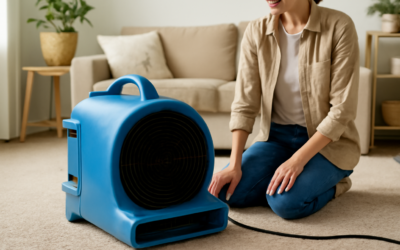
A carpet drying fan, or air mover, is a specialized fan built to move a large volume of air close to the floor rather than around a room like a household fan. Most have a squat, angled housing that directs airflow in a wide, fast stream across the carpet surface and even underneath it when tilted.
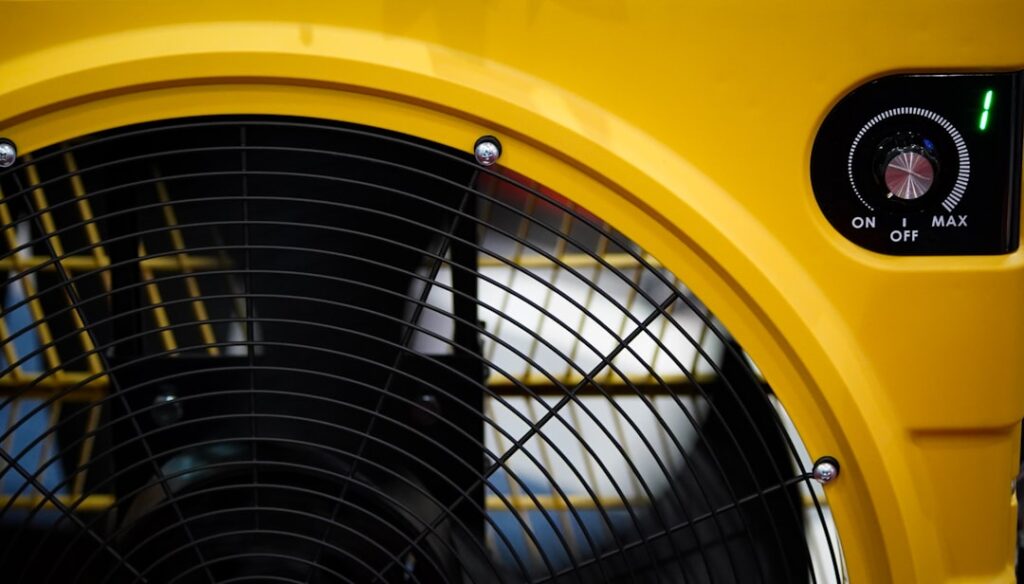
Unlike a box fan or ceiling fan, an air mover concentrates velocity right where the moisture is. Many models offer multiple speeds and can be daisy-chained together to dry large areas, which is why restoration pros rely on them after floods.
When to Use One
Reach for a carpet drying fan whenever carpet gets wet enough that it will not dry on its own quickly. Common situations include:
- After professional or DIY steam and shampoo cleaning
- Following a spill, leak, or appliance overflow
- After minor flooding once standing water has been extracted
- In humid basements where carpet dries slowly
Speed matters because mold and mildew can begin growing in damp carpet within 24 to 48 hours. Drying fast protects both the carpet and the air quality in your home.
How to Position the Fan
Placement determines how fast and evenly the carpet dries. A few proven techniques:
- Aim along the surface. Point the airflow across the carpet at a low angle so it sweeps the surface rather than blowing straight down.
- Lift the carpet edge if possible. For larger jobs, restoration crews float the carpet by lifting a corner and blowing air underneath to dry the pad too.
- Create circulation. Position fans to push air in one direction around the room so moist air keeps moving toward an exit or dehumidifier.
- Move it periodically. Reposition every few hours to hit spots that stay damp.
Pair It With a Dehumidifier
An air mover evaporates water into the air, but that moisture has to go somewhere. In a closed or humid space, evaporated water can simply resettle if you do not remove it. Running a dehumidifier alongside the fan pulls that moisture out of the air, dramatically speeding the overall dry-down.
For serious water events, the professional approach combines extraction first, then air movers plus a dehumidifier together. Open windows can help in dry climates, but in humid weather they may slow drying, so a dehumidifier is the safer bet.
Rent or Buy?
Whether to rent or buy depends on how often you expect to need one. For a single spill or a once-in-a-while cleaning, renting makes sense. Many hardware stores and equipment rental outlets offer air movers by the day. For homeowners who clean carpets regularly, own a finished basement prone to dampness, or want to be ready for emergencies, buying a unit can pay off.
Cost Expectations
Air movers are reasonably priced. A consumer-grade carpet drying fan typically costs $60 to $200 to buy, with sturdier commercial units running $150 to $300. Renting one usually costs roughly $20 to $50 per day. A dehumidifier to pair with it adds $150 to $400 to buy or a similar daily rental. For a major flood, professional restoration with multiple air movers and dehumidifiers will cost more but covers extraction and monitoring too.
Tips to Dry Carpet Faster
Get the most from your fan with a few smart moves:
- Extract as much standing water as possible first with a wet vacuum before running the fan
- Remove furniture from the wet area so air reaches the whole carpet
- Pull back the carpet to dry the pad if the soaking was significant, since a wet pad is a hidden mold source
- Run the fan continuously rather than in short bursts
- Check for dryness by pressing a paper towel into the pile after several hours
Air Mover vs. Regular Household Fan
It is tempting to point a box fan at wet carpet and call it done, but the difference in results is significant. A household box or pedestal fan moves a lot of air in a broad, diffuse pattern around the room, which is fine for general comfort but inefficient at drying a specific wet surface. An air mover concentrates a high-velocity sheet of air right along the floor where the moisture sits, dramatically speeding evaporation.
A box fan can help in a pinch for a small, lightly damp area, especially if you tilt it toward the floor and pair it with a dehumidifier. But for anything more than a minor spill, a purpose-built air mover dries carpet hours faster and reaches under furniture and along edges that a box fan never touches. When mold risk is on the clock, that speed matters.
Safety Considerations
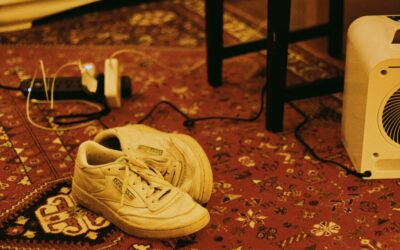
Drying wet carpet involves electricity near moisture, so take basic precautions. Make sure standing water is extracted before plugging in any fan, and keep cords and outlets away from wet areas. Use a grounded outlet, ideally one protected by a GFCI, and never run a fan with frayed cords. If the water came from a sewage backup or contaminated source, treat it as a health hazard and call a professional restoration service rather than handling it yourself, since that water carries bacteria that ordinary drying will not address.
The Bottom Line
A carpet drying fan is the fastest way to rescue wet carpet and head off mold. Use it across the surface, lift the carpet to dry the pad when needed, and pair it with a dehumidifier to actually remove the moisture from your home. Whether you rent for a one-time spill or buy for ongoing peace of mind, drying quickly within that critical 24 to 48 hour window is what saves your carpet and keeps your home healthy.