If your carpeted rooms leave you sneezing, congested, or itchy, the culprit is often something you cannot see. The tiny creatures people call carpet mites are, in nearly all cases, dust mites that live deep in carpet fibers. They do not bite and they are not a pest infestation in the usual sense, but their waste is a powerful allergen for many people. The good news is that controlling them comes down to consistent cleaning and managing the conditions they love. Here is how.
- What Are Carpet Mites Really
- Why They Matter for Your Health
- What Attracts Them to Your Carpet
- Vacuuming the Right Way
- Control Humidity
- Washing and Deep Cleaning
- How to Tell Dust Mites From Other Issues
- Air Quality and Filtration
- Reduce Their Habitat
- Seasonal Patterns to Expect
- Keeping Carpet Mites Under Control
What Are Carpet Mites Really
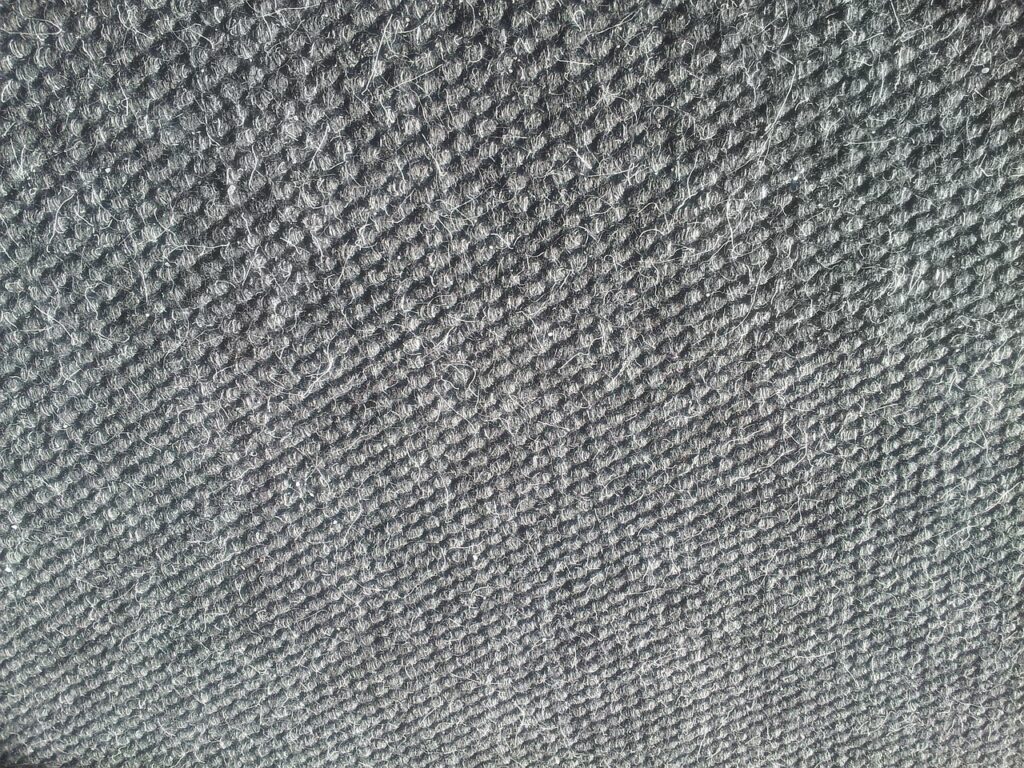
When most homeowners say carpet mites, they mean house dust mites, microscopic relatives of spiders that thrive in soft furnishings. They are far too small to see, measuring just a fraction of a millimeter. Carpet is an ideal habitat because it traps the dead skin cells they feed on, holds humidity, and gives them a dark, undisturbed place to live among the fibers and padding.
Why They Matter for Your Health
Dust mites themselves do not bite or transmit disease. The issue is allergy. Their droppings and shed body fragments contain proteins that trigger allergic reactions in sensitive people. Common symptoms include:
- Sneezing and a runny or stuffy nose
- Itchy, watery, or red eyes
- Coughing and postnasal drip
- Worsening asthma symptoms, especially at night or in the morning
- Skin irritation or eczema flare-ups in some individuals
If symptoms ease when you leave the house and return at home, indoor allergens like dust mites are a likely contributor. Persistent or severe symptoms warrant a conversation with a doctor or allergist.
What Attracts Them to Your Carpet
Dust mites need two things to flourish: a food source and humidity. They feed on the dead skin we shed constantly, which settles into carpet. They also absorb moisture from the air rather than drinking, so they multiply fastest in humid conditions above roughly 50 percent relative humidity. Warm, humid homes with thick carpet and infrequent cleaning are their ideal environment.
Vacuuming the Right Way
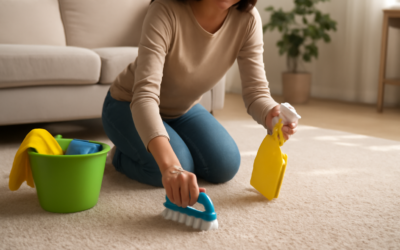
Frequent, thorough vacuuming is your first line of defense. Use a vacuum with a HEPA filter so the fine allergen particles get trapped rather than blown back into the air. Vacuum high-traffic carpet at least twice a week, and go slowly so the brush has time to pull debris from deep in the pile. Do not forget area rugs, upholstered furniture, and the edges of rooms where dust collects.
Control Humidity
Lowering indoor humidity is one of the most effective long-term strategies, because dust mites cannot survive well in dry air. Aim to keep relative humidity below 50 percent. Run a dehumidifier in damp basements and humid seasons, use exhaust fans in bathrooms and kitchens, and run the air conditioner during muggy weather. A simple hygrometer lets you monitor the level.
Washing and Deep Cleaning
Hot water is lethal to dust mites. Wash bedding, throw blankets, and washable rugs weekly in water around 130°F to kill mites and remove allergens. For wall-to-wall carpet, periodic deep cleaning helps. Steam cleaning is especially useful because the heat kills mites, though it is important to dry the carpet thoroughly afterward so the added moisture does not encourage new growth. Professional hot-water extraction once or twice a year keeps deep-seated debris under control.
How to Tell Dust Mites From Other Issues
Because you cannot see dust mites, it helps to rule out lookalike problems. True biting pests such as fleas, bird mites, or bed bugs leave visible bites and marks, while dust mites cause allergy symptoms without biting at all. If you are seeing actual bites, the cause is something else and may warrant pest control. Mold, pet dander, and pollen can also trigger similar respiratory symptoms, so a stuffy nose at home is not automatically dust mites.
The clearest confirmation is an allergy test from a doctor, which can identify a dust mite sensitivity specifically. Until then, the cleaning and humidity steps in this guide are safe, beneficial measures regardless of the exact allergen, since they reduce dust mites, pet dander, and general dust together.
Air Quality and Filtration
Cleaner air supports all your other efforts. A portable air purifier with a true HEPA filter captures airborne allergen particles, which is especially helpful in bedrooms where people spend a third of their day. Change your HVAC filters regularly and consider a higher-rated filter your system can handle. Keep windows closed during high-pollen days if you also have outdoor allergies, and dust hard surfaces with a damp cloth rather than a dry one, which just scatters particles back into the air. Combined with carpet care and humidity control, good filtration noticeably lowers the allergen load in a home.
Reduce Their Habitat
Beyond cleaning, a few changes make your home less hospitable:
- Choose low-pile carpet or hard flooring in bedrooms if allergies are severe
- Use allergen-proof covers on mattresses and pillows
- Declutter so dust has fewer places to settle
- Replace heavy fabric drapes with washable curtains or blinds
- Keep pets off carpeted sleeping areas to reduce dander buildup
Seasonal Patterns to Expect
Dust mite populations rise and fall with the seasons, so your symptoms may too. They peak in warm, humid months when moisture is plentiful, then decline in winter when indoor air dries out, though running humidifiers can keep them active. Many people notice allergy symptoms worsen when central heating first kicks on in fall, stirring settled dust into the air. Anticipating these patterns lets you ramp up cleaning and run a dehumidifier during humid stretches, and remember to clean heating vents and change filters before the first cold-weather startup of the season.
Keeping Carpet Mites Under Control
You will never sterilize a home completely, and you do not need to. The goal is to keep dust mite populations and their allergens low enough that they stop triggering symptoms. A routine of HEPA vacuuming twice a week, humidity below 50 percent, hot washing of fabrics, and periodic deep cleaning makes a real difference. If allergy symptoms persist despite diligent cleaning, see an allergist, who can confirm a dust mite allergy and recommend targeted treatment.