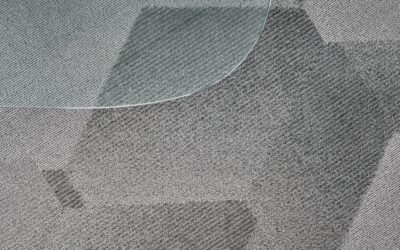
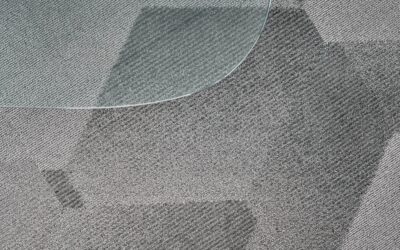
Anyone who has tried to scrub paint splatter, drywall dust, or muddy boot prints out of a brand-new carpet knows the feeling of regret. The fix is cheap and simple: lay down protection before the mess happens. Carpet protector film is a thin, self-adhesive plastic sheet that rolls right over carpet to shield it from spills, dirt, foot traffic, and construction debris. Painters, movers, and remodelers rely on it, and it belongs in any homeowner’s kit during a renovation or a move. I put it down on every job that involves carpet and dust, and it has saved more carpets than I can count.
This guide covers what the film is, when to use it, the types available, how to apply it, and how long it can safely stay down.
What Carpet Protector Film Is
Carpet protector film is a temporary, peel-and-stick plastic film, usually around 2 to 3 mils thick, that comes on a roll. One side has a low-tack adhesive that clings to carpet fibers, holding the film in place without leaving residue when removed. It creates a continuous waterproof barrier over the carpet so paint, water, dirt, and dust land on the film instead of the fibers. When the work is done, you peel it up and the carpet underneath is clean.
When to Use It
The film shines anytime your carpet faces a temporary hazard. It is most valuable in a few situations.
- Painting and renovation: protects against paint drips, drywall dust, and joint compound
- Moving in or out: shields high-traffic paths from dirt, scuffs, and dragged furniture
- Open houses and showings: keeps carpet pristine while strangers walk through
- Contractor work: guards against tracked-in mud, sawdust, and debris
- New construction: protects freshly installed carpet until the home is finished and occupied
Types of Carpet Protection
There is more than one product, and choosing the right one matters.
Self-Adhesive Film
The most common type, a clear plastic film with a light adhesive backing that sticks directly to carpet. It rolls out fast, conforms to the surface, and resists slipping underfoot. This is the go-to for most renovation and moving jobs.
Non-Adhesive Runners and Sheeting
For very short-term use, plain plastic sheeting or reusable runners work, but they shift around and need taping at the edges. They are better for brief tasks than for a multi-day project where you walk back and forth.
Heavier Reusable Mats
For long projects or repeated use, thicker reusable carpet mats and ram board provide more puncture resistance, though they cost more upfront.
How to Apply Carpet Protector Film
Application is quick once you get the technique, and a clean carpet to start with is key.
- Vacuum first. Clean the carpet so dirt and grit do not get trapped under the film against the fibers.
- Start at one edge. Peel back the leading edge, press it down against the carpet, and begin unrolling.
- Roll and press as you go. Unroll the film along your path, smoothing and pressing it into the carpet so the adhesive grabs. A floor roller or even firm foot pressure helps it bond.
- Overlap the seams. When you start a new strip, overlap the previous one a few inches so there are no exposed gaps.
- Cut to fit. Trim the film at walls, doorways, and obstacles with a utility knife or scissors.
- Press down edges. Make sure all edges are stuck down so they do not curl into a trip hazard.
How Long It Can Stay Down
This is where people make mistakes. Most self-adhesive carpet film is rated for a limited window, commonly up to around 30 to 45 days, and you should check the specific product’s rating. Leaving it down far past that can let the adhesive bond more aggressively to the fibers and become harder to remove cleanly. For a typical paint job or move that lasts days to a couple of weeks, you are well within range. For a months-long renovation, plan to replace the film periodically rather than leaving the same sheet down indefinitely.
Removing the Film
Removal is easy if you do it within the rated window. Peel it up slowly at a low angle, working from one corner, and roll it onto itself as you go to keep dust and debris contained. The low-tack adhesive should release cleanly without leaving residue. If a small section feels stuck, peel it gently rather than yanking, which can pull at the fibers. After removal, a quick vacuum freshens the carpet and you are done.
Tips for Best Results
A few habits improve the outcome. Buy film wide enough to cover your traffic path with fewer seams. On stairs, use a film designed for stairs or cut narrower strips so it conforms to the treads and grips safely. Avoid stretching the film too tight, which can cause it to pull up at the edges. And do not skip the vacuum step, since trapped grit under the film can actually abrade the carpet you are trying to protect.
Choosing the Right Roll Size and Quantity
Buying the right amount upfront saves trips and seams. Carpet protector film commonly comes in widths around 24 to 36 inches and roll lengths from a couple hundred to a thousand feet. For a single-room paint job, a short roll covers it; for a whole-house move or renovation, buy a longer roll so you are not splicing constantly. To estimate, measure the square footage of the carpeted areas you need to protect and add roughly 10 to 15 percent for overlap at the seams and trimming at the edges. A wider roll covers open rooms with fewer seams, while a narrower roll maneuvers better in halls and on stairs. Having a little extra on hand is cheaper than running short halfway through and leaving carpet exposed during the messiest part of the job.
The Bottom Line
Carpet protector film is one of the cheapest forms of insurance in any home project, shielding carpet from paint, dirt, water, and traffic during renovations, moves, and showings. Choose a self-adhesive film for most jobs, vacuum before you lay it, press it down firmly, and overlap your seams. Mind the manufacturer’s time limit so the adhesive releases cleanly, and peel it up slowly when the work is done. For a few dollars, you protect a carpet that costs thousands to replace.