A single dropped paint can or a week of muddy contractor boots can ruin a carpet that costs thousands to replace. Carpet masking film is the cheap insurance that prevents it: a self-adhesive plastic sheet you roll straight over carpet to shield it during painting, construction, and moving. At roughly 5 to 10 cents per square foot, it protects surfaces worth dollars per square foot. This guide covers how the film works, how to apply it without wrinkles, how long you can leave it down, and what to look for when you buy.
What Carpet Masking Film Is and How It Works
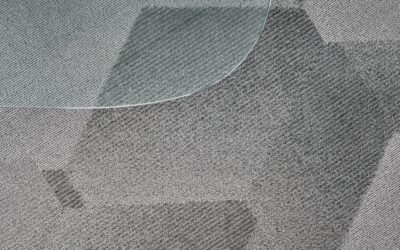
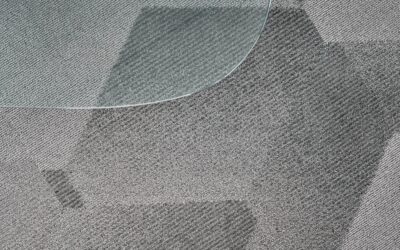
Carpet masking film is a thin polyethylene sheet—usually 2.5 to 3 mils thick—with a low-tack adhesive on one side. The adhesive is engineered to grip carpet fibers firmly enough that the film stays put underfoot, yet release cleanly without pulling loops or leaving residue. Unlike a loose drop cloth that slides and bunches, the film bonds to the carpet surface, so it forms a continuous, walkable barrier that stays where you put it.
The surface of the film is often lightly textured or embossed. That texture provides traction so workers do not slip, and it helps trap the film against the pile. Most products are self-wound on a core, meaning the adhesive side sticks to the back of the film on the roll, and you simply unroll and press it down—no separate tape needed for the field of the sheet.
Carpet Masking Film vs. Other Floor Protection
Homeowners often reach for whatever is on hand, but each protector has a job. Here is how carpet masking film compares to the alternatives:
- Rosin paper or builder’s paper: good on hard floors, but it slides on carpet and does not stop liquid spills.
- Canvas drop cloths: reusable and breathable, but they shift, bunch at doorways, and soak through under a real spill.
- Ram board / hardboard: excellent for heavy rolling loads on hard flooring, overkill and awkward on carpet.
- Carpet masking film: adheres to pile, stays flat, resists water and paint, and peels off in one piece. The right tool specifically for carpet.
For hardwood and tile, a different adhesive film exists, so read the label. Carpet film uses a stronger, fiber-gripping adhesive that can lift finish off hard floors if used on the wrong surface.
How to Apply Carpet Masking Film
Application takes minutes once you have the technique. Work with a helper on larger rooms so the film stays square as it unrolls.
- Vacuum first. Loose dirt and pet hair weaken the bond. A clean, dry carpet holds the film far better.
- Start at a wall. Peel back the first foot, press it to the carpet, and walk backward, unrolling as you go.
- Press it down. Step along the film or run a weighted floor roller over it. Firm pressure activates the adhesive against the pile.
- Overlap seams by 2 to 3 inches. Overlap rows so no carpet peeks through, and run a strip of the film or painter’s tape along the seam if spills are a risk.
- Seal the edges. Tuck the film to the baseboard and press the perimeter firmly so paint and debris cannot creep underneath.
Cut the film with a utility knife or heavy scissors. At doorways and transitions, trim it flush and tape the edge so it does not catch a shoe and tear.
How Long You Can Leave It Down
Most carpet masking films are rated for interior use up to 30 to 45 days. That window matters, because the adhesive continues to cure over time; leave it down for months and it can grow harder to remove and may leave residue. For a weekend paint job or a two-week remodel, you are well inside the safe range.
Keep it out of direct sunlight through big windows. Heat and UV accelerate the adhesive bond and can make the film brittle. If a project stretches long, pull the film and relay fresh material rather than pushing past the rated window.
Removing the Film Cleanly
Removal is the payoff. Start at a corner, peel at a low angle, and pull slowly and steadily—fast yanking is what pulls fibers loose. The film should lift in a continuous sheet. Ball it up as you go so the sticky side does not grab everything.
If you find any tackiness left behind, it is usually because the film sat too long or the carpet was dirty at application. A light pass with a vacuum or a damp cloth typically lifts trace residue. This is exactly why staying inside the 30-day window and vacuuming first pays off at the end of the job.
What to Look For When You Buy
Rolls are sold by width and length. Common sizes are 24, 36, and 48 inches wide in lengths of 200 to 500 feet. A 36-inch by 500-foot roll covers 1,500 square feet and typically runs $80 to $130, which pencils out to well under a dime per square foot. Consider these factors before you buy:
- Thickness: 2.5 mil handles light foot traffic; step up to 3 mil or heavier for construction sites with tools and ladders.
- Adhesive strength: confirm the roll is labeled specifically for carpet masking film use, not hard-floor film.
- Anti-slip surface: an embossed top layer is worth it on stairs and busy work zones.
- Coverage math: multiply room square footage, then add 10 to 15 percent for overlaps and trim waste.
A handheld film applicator—a wheeled dispenser with a cutting edge—costs $30 to $60 and makes rolling out large areas dramatically faster and straighter. For a one-room project you can skip it; for a whole-house repaint it earns its keep.
Common Mistakes to Avoid
Most film failures trace back to a handful of avoidable errors. Steer clear of these and your carpet will come out untouched:
- Applying over dirty or damp carpet: the adhesive grabs dust instead of fiber, so the film shifts and lets debris slip underneath. Vacuum and make sure the carpet is dry first.
- Leaving it down too long: past the 30- to 45-day rating the adhesive over-cures and can leave residue or lift loops on removal.
- Using hard-floor film on carpet: the wrong adhesive either fails to grip or, in reverse, can damage a delicate surface. Always match the film to the floor.
- Skipping the perimeter seal: unsealed edges at baseboards let paint drips and sanding dust creep under the film, defeating the whole purpose.
- Peeling too fast: a hard yank pulls fibers. Peel slowly at a low angle for a clean lift.
One more real-world tip: on stairs and in doorways, reinforce the film edges with painter’s tape. Those high-wear spots are where a shoe most often catches and tears the sheet, and a strip of tape keeps the barrier intact through weeks of foot traffic.
When to Use It—and When Not To
Carpet masking film shines for interior painting, drywall work, trim installation, moving day, and open-house staging where crews and buyers walk through carpeted rooms. It is not meant for long-term outdoor use, for surfaces in direct sun, or as a permanent runner. For those, choose a purpose-made product. Treat the film as short-term protection during active work, and it will do its job perfectly every time.
Final Thoughts
For pennies per square foot, carpet masking film shields flooring that is expensive and hard to replace. Vacuum the carpet, roll the film on with firm pressure, overlap the seams, seal the edges, and pull it within 30 days for clean removal. Whether you are repainting a bedroom or gutting a kitchen, laying down this film first is one of the cheapest, smartest steps you can take to protect your investment.