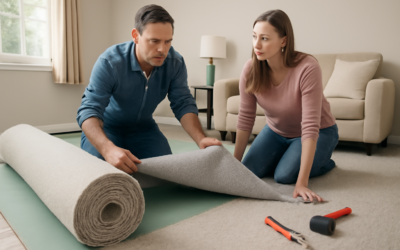
The price on the showroom sample tag is rarely the price you pay. Between padding, labor, tear-out, and stair charges, the real cost of carpet sales and installation can run two to three times the per-square-foot sticker. Understanding how the whole process works, from choosing a fiber to the day the installers show up, is the difference between a smooth project and an unpleasant surprise on the final invoice. This guide walks through each step so you can buy smart and get a proper installation.
How Carpet Is Priced
Carpet is sold by the square foot or square yard (one square yard equals nine square feet), and the headline price almost never includes everything. A complete installed price typically bundles several line items.
- Carpet material — the face fiber you choose
- Padding (cushion) — required underneath; affects feel and lifespan
- Labor — measured per square foot or per yard
- Tear-out and haul-away — removing old flooring
- Tack strips, seam tape, and transitions — the materials that hold it down
- Stairs and special cuts — usually priced per step
When you compare quotes, make sure each one covers the same scope. A low material price with everything else billed separately can end up costing more than an all-in bid.
Choosing the Right Fiber
Fiber choice drives both feel and durability, so match it to how the room is used.
Nylon
The most durable common fiber. It resists crushing and bounces back in high-traffic areas like hallways and stairs. It costs more but lasts longer, often 10 to 15 years with good care.
Polyester (PET)
Soft, color-rich, and stain-resistant, especially the solution-dyed and recycled versions. It is a strong value pick for bedrooms and low-traffic spaces but mats faster than nylon under heavy use.
Polypropylene (Olefin)
Budget-friendly and moisture-resistant, common in loop styles like Berber and in basements. It resists fading but is more prone to crushing and oil-based stains.
Wool
The premium natural option. Soft, resilient, and naturally flame-resistant, with a price to match. Best for formal rooms where appearance matters more than abuse.
Do Not Skimp on Padding
Padding is the most overlooked part of a carpet purchase. The right cushion makes cheap carpet feel better and makes good carpet last longer by absorbing foot traffic. For most living areas, a 7/16-inch to 1/2-inch pad with a density around 6 to 8 pounds works well. Go thinner and denser on stairs so the carpet does not flex and wear at the nosing. In basements or over concrete, choose a moisture-barrier pad. Many carpet warranties are voided by the wrong pad, so confirm the spec before installation.
Measuring and Estimating
Carpet comes in rolls, usually 12 feet wide. Because of that fixed width, your room dimensions determine how much waste you pay for and where seams fall. A good salesperson or installer will draw a seam diagram, not just multiply length by width. Always have the installer take final measurements before ordering; showroom estimates from your own measurements are fine for budgeting but not for cutting an order. Expect to pay for 5 to 15 percent more material than your raw floor area to account for waste, seams, and pattern matching.
What Happens on Installation Day
A professional install is more involved than rolling out carpet. Knowing the steps helps you spot a rushed or sloppy job.
- Furniture is moved (confirm whether this is included or your responsibility).
- Old flooring is torn out and hauled away.
- The subfloor is inspected, cleaned, and any squeaks or high spots are addressed.
- Fresh tack strips and new padding are installed.
- Carpet is laid, seamed, and stretched tight with a power stretcher.
- Edges are tucked, transitions are set at doorways, and the room is vacuumed.
The power stretcher is the detail that separates pros from amateurs. Carpet only kicked into place with a knee kicker will ripple and buckle within a year or two. Ask whether the crew power-stretches; a yes is a good sign.
Realistic Costs
Prices vary by region and material, but these ranges cover most projects:
- Builder-grade carpet installed: $2 to $4 per sq ft
- Mid-range nylon or quality polyester installed: $4 to $8 per sq ft
- Premium and wool installed: $8 to $15+ per sq ft
- Padding: $0.50 to $1.50 per sq ft
- Stairs: $5 to $15 per step
For a 300 sq ft living room with mid-range carpet and pad, professionally installed with tear-out, a realistic total lands between $1,500 and $3,000.
Getting a Fair Quote
Collect at least three itemized bids and compare them line by line. Watch for vague “installation included” language that hides extra charges for stairs, furniture moving, or tear-out. Ask about the warranty, the pad spec, and whether the crew is in-house or subcontracted. A written contract should list the exact product, padding, square footage, total price, and timeline before you sign.
Caring for New Carpet
How you treat carpet in its first weeks and beyond decides how long it lasts. Vacuum at least weekly, more in high-traffic lanes, to lift the abrasive grit that grinds down fibers from below. Blot spills immediately and never rub, which spreads the stain and frays the pile. Use walk-off mats at every entry and a no-shoes habit to cut the dirt that gets tracked in. Schedule professional hot-water extraction every 12 to 18 months to refresh the whole floor and, on many products, to keep the manufacturer warranty valid. Move heavy furniture occasionally and use coasters under legs so the carpet does not develop permanent crush marks.
Questions to Ask Before You Sign
A short list of questions separates a smooth project from a regretful one. Ask each bidder the same things so you can compare answers fairly.
- Is the crew in-house or subcontracted, and how experienced are they?
- Will the carpet be power-stretched, not just knee-kicked?
- What pad spec is included, and does it satisfy the carpet warranty?
- Are tear-out, haul-away, furniture moving, and stairs included or extra?
- What is the lead time, and what happens if the order arrives damaged or short?
- What does the warranty cover, and for how long?
Get the answers in writing as part of the contract, along with the exact product, padding, square footage, and total price.
Final Thoughts
Approached carefully, carpet sales and installation is a straightforward project that adds comfort and warmth to a home for years. Choose the fiber that fits the room’s traffic, never cut corners on padding, insist on a power-stretched install, and compare itemized quotes so you know exactly what you are paying for. Do that homework up front, and the carpet underfoot will feel like a smart purchase every day you walk on it.