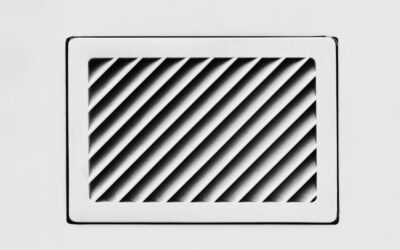
A stamped steel register can look cheap on a new oak or tile floor, bending underfoot and rattling every time the furnace kicks on. Cast iron floor vents fix both problems: they are heavy enough to stay put, strong enough to step on in boots, and detailed enough to look like part of the architecture. They were standard in American homes built before the 1950s, and today they are popular again in restorations, farmhouse remodels, and anywhere the floor deserves better hardware. This guide covers sizing, styles, dampers, installation, costs, and how to keep iron from rusting.
- Why Choose Cast Iron Floor Vents
- How to Measure for a Replacement Vent
- Styles and Finishes
- Dampers, Airflow, and Returns
- Drop-In Versus Flush-Mount Installation
- Cost Comparison
- Preventing and Treating Rust
- Buying Antique Versus Reproduction Vents
- Cleaning and Care
- Frequently Asked Questions
- Final Recommendation
Why Choose Cast Iron Floor Vents
Cast iron is a dense, rigid metal. A typical 4 x 10 inch cast iron register weighs 3 to 5 pounds, compared with well under a pound for a stamped steel grille. That weight keeps the vent seated in its opening without screws, and it prevents the flexing and clicking that thin grilles develop over time. Cast iron also handles heat well, and it will not warp above a hot supply duct.
The design range is the other draw. Foundries cast patterns that are impossible to stamp, including Victorian scrolls, Craftsman grids, Art Deco sunbursts, and simple modern slots. Because the pattern is molded, edges and faces have depth, which reads as higher quality on a finished floor.
The tradeoffs are cost and maintenance. Cast iron vents cost several times more than steel, and raw or painted iron can rust in bathrooms, mudrooms, and basements if the finish is damaged.
How to Measure for a Replacement Vent
Registers are sized by the duct opening, not by the outside of the faceplate. Remove the existing vent and measure the hole in the floor or the boot opening. A vent labeled 4 x 10 fits a 4 x 10 inch opening and typically has a faceplate around 5-1/2 x 11-1/2 inches.
- Common floor sizes: 2-1/4 x 10, 2-1/4 x 12, 4 x 10, 4 x 12, 4 x 14, and 6 x 10 inches
- Cold air returns: larger sizes such as 8 x 14, 10 x 20, or 12 x 30 inches
- Old homes: nonstandard openings are common, so measure carefully and check for antique reproduction sizes
Measure the depth below the flange too. The register body with a damper must clear any joists, floor boots, or ductwork. Most drop-in cast iron registers need about 1-1/2 to 3 inches of depth.
Styles and Finishes
Victorian and Ornamental
Scrollwork and floral patterns suit older homes with original millwork. These pair well with dark-stained hardwood and heart pine floors.
Craftsman and Mission
Straight-line grids and square cutouts suit bungalows and farmhouse remodels. They look at home with quartersawn oak and wide-plank floors.
Modern and Linear
Slot-pattern cast iron and cast aluminum vents with narrow openings suit contemporary interiors, especially when set flush with the surrounding floor.
Finishes include black powder coat or paint, rust-look patina, oil-rubbed bronze, and raw iron sealed with clear lacquer. Powder coat is the most durable option for most rooms. Raw iron develops a natural patina, which some owners love and others find messy on light floors.
Dampers, Airflow, and Returns
Supply registers usually include a louvered damper underneath that opens and closes with a lever or thumb wheel. Heavier cast dampers seal well but can restrict airflow slightly more than a thin steel damper. Check the free area, meaning the percentage of the face that is open. Decorative vents with dense patterns may have 40 to 50 percent free area, while simpler grids run 60 percent or more. If the room already struggles to heat or cool, choose a pattern with more open area or go up a size.
Cold air returns should not have dampers. They need to pull air freely back to the furnace or air handler, and closing them can reduce system efficiency. Grille-only cast iron return covers are sold for this purpose.
A good rule of thumb: never close more than about 20 percent of the supply registers in a home. Closing too many raises duct static pressure and can shorten blower motor life.
Drop-In Versus Flush-Mount Installation
Most cast iron floor vents are drop-ins. The faceplate rests on the finished floor and the body drops into the opening. Installation is as simple as removing the old grille, vacuuming the duct boot, and setting the new register in place. Some owners add a thin bead of clear silicone or a foam gasket under the flange to seal drafts and reduce rattling.
Flush-mount vents sit level with the floor surface and look custom. They require a frame or a routed rabbet around the opening so the faceplate drops in until it is even with the flooring. With hardwood, a finish carpenter can rout the rabbet with a template and a pattern bit. With tile, set a frame before tiling or cut the tile precisely around a flush frame. Flush installation removes a toe-stubbing edge, which matters in hallways and near doorways.
When you replace or refinish flooring, it is an ideal moment to switch vent sizes or move to flush mount, because the floor opening can be adjusted before the finish goes down.
Cost Comparison
| Vent type | Typical 4 x 10 price | Notes |
|---|---|---|
| Stamped steel | $5 to $15 | Light, can dent and rattle |
| Solid wood | $20 to $60 | Matches floor, can crack |
| Cast aluminum | $30 to $80 | Lighter, rust resistant |
| Cast iron | $35 to $120 | Heavy, durable, ornamental |
| Cast brass or bronze | $80 to $250 | Premium, will not rust |
For a whole-house upgrade with 10 to 15 floor registers, budget roughly $500 to $1,500 for cast iron, plus more for large returns, which can cost $150 to $400 each.
Preventing and Treating Rust
Cast iron rusts when moisture reaches bare metal. Floor vents catch water from mopping, snow melt from boots, pet accidents, and humid basement air moving through the ducts. Prevent rust with these habits:
- Wipe spills and melting snow off vents promptly.
- Avoid soaking vents during wet mopping; lift them out if you mop heavily.
- Keep indoor relative humidity between 30 and 50 percent.
- Touch up chips in powder coat or paint with a high-heat black enamel.
To restore a rusty vent, remove it, scrub with a wire brush or a wire wheel on a drill, wipe with mineral spirits, and apply a rust-converting primer followed by two thin coats of satin black enamel or high-heat paint. Heavily rusted antiques can be sandblasted and powder coated professionally for about $25 to $60 per piece. In bathrooms and laundry rooms, consider cast aluminum or brass instead, since they tolerate moisture better.
Buying Antique Versus Reproduction Vents
Salvage yards and online marketplaces sell original cast iron registers, often for $20 to $75 each. They can be a great match for a historic home, but inspect them carefully. Look for cracked louvers, missing damper levers, broken tabs, and heavy pitting on the face. Antique sizes also differ from modern standards, so confirm the opening dimensions before buying. Reproduction vents from current foundries fit standard duct boots, come with fresh powder coat, and are easier to buy in matching sets for a whole house. Many restorers mix the two, using antiques in formal rooms and reproductions elsewhere.
Cleaning and Care
Dust collects under decorative patterns quickly. Vacuum the face with a brush attachment weekly, and pull the vent a few times a year to vacuum the duct boot, where pet hair, small toys, and debris gather. For painted or powder-coated vents, warm water with a small amount of dish soap and a soft brush removes grime. Dry thoroughly before reinstalling. Avoid acidic cleaners like vinegar on raw or patinated iron, since they accelerate corrosion.
Frequently Asked Questions
Are cast iron floor vents worth the cost?
For finished hardwood, tile, and historic homes, yes. They last for decades, do not bend underfoot, and add visible quality. In moisture-prone rooms, cast aluminum or brass may be the better investment.
Do cast iron floor vents get hot?
They warm up over supply ducts but generally stay comfortable to touch with forced-air systems. Iron holds heat longer than steel, which is harmless in normal residential use.
Can I paint cast iron floor vents?
Yes. Clean off rust and grease, apply a metal primer, and finish with high-heat or enamel spray paint in thin coats. Allow a full cure before walking on them.
What size cast iron floor vent do I need?
Measure the opening in the floor, not the old faceplate. A 4 x 10 inch hole takes a 4 x 10 register, and depth under the flange must clear the duct boot and any damper.
Final Recommendation
Cast iron floor vents are one of the simplest upgrades you can make after installing new flooring. Measure the openings precisely, choose a pattern with enough free area for your HVAC system, and pick powder coat for everyday durability. With a little attention to moisture, they will outlast the floor around them.
Prefer to explore on your own?
See how new flooring looks in your actual room in seconds — free, no signup.
Try the free Floor Studio →