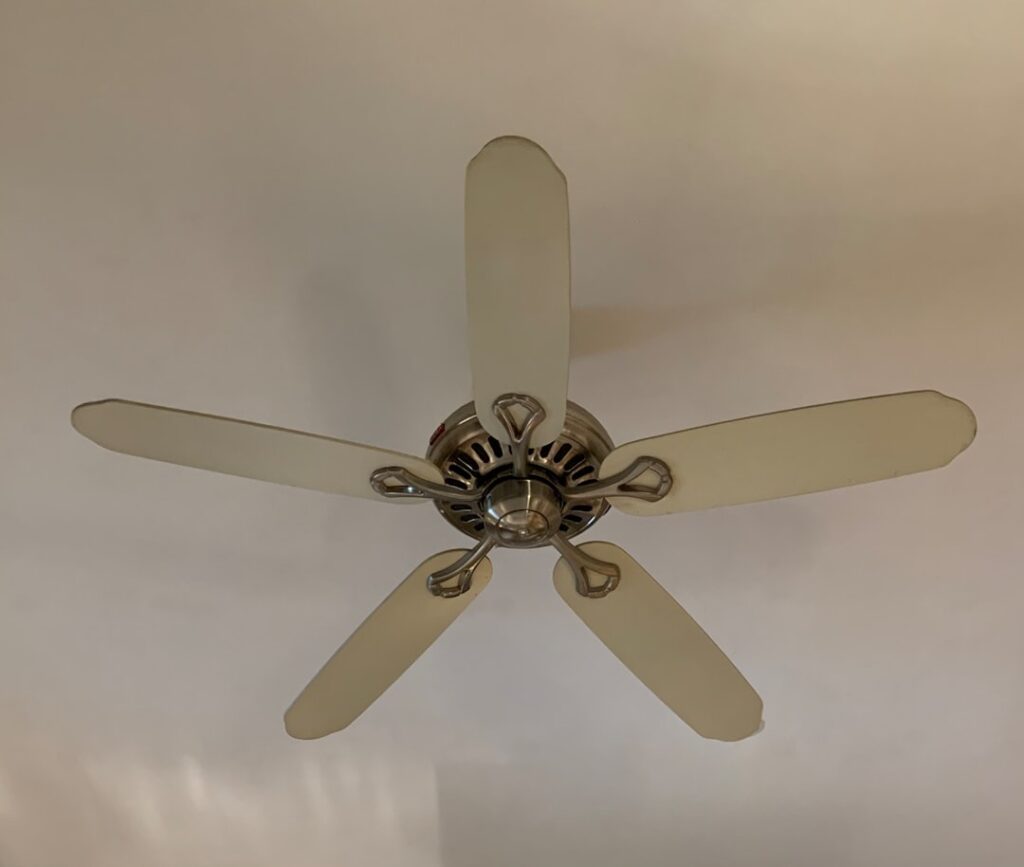
That small metal disc pressed against your ceiling where the fan meets it does more work than it gets credit for. A ceiling fan cover plate, also called the canopy or ceiling plate, conceals the electrical box, the mounting bracket, and all the wiring, giving the installation a clean, finished look while keeping fingers away from live connections. When one cracks, goes missing, no longer matches a new fixture, or you need to cover an empty box after removing a fan, replacing it is a quick and inexpensive fix. Understanding the types and sizes makes sure you buy the right one the first time.
- What a Ceiling Fan Cover Plate Actually Does
- Types of Ceiling Fan Cover Plates
- Fan Canopy (Downrod Canopy)
- Sloped Ceiling Canopy Adapter
- Blank Ceiling Cover Plate
- Medallion / Ceiling Ring
- Getting the Right Size and Fit
- Tools You'll Need
- How to Replace a Fan Canopy Step by Step
- How to Install a Blank Cover Plate Over an Empty Box
- Common Problems and Fixes
- Materials and Finishes to Match Your Room
- When to Call an Electrician
What a Ceiling Fan Cover Plate Actually Does
The cover plate serves three purposes at once. First, it hides the ugly, functional parts, the metal electrical box, the mounting bracket, and the bundle of wires, so you see only a smooth trim ring instead of a hole full of hardware. Second, it provides a safety barrier, keeping the wiring enclosed and out of reach. Third, it finishes the design, matching the fan’s or fixture’s style and color so the whole assembly looks intentional rather than industrial.
On a fan, this piece is usually called the canopy and it slides on the downrod. When you are covering an empty box with no fixture, the equivalent part is a blank ceiling cover plate or “blank-up” cover.
Types of Ceiling Fan Cover Plates
There are a few distinct kinds, and which you need depends on your situation.
Fan Canopy (Downrod Canopy)
The standard cone- or dome-shaped cover that comes with the fan, sliding up the downrod to hide the mounting bracket and wiring. If yours is damaged or lost, you buy a replacement canopy matched to your fan brand and finish.
Sloped Ceiling Canopy Adapter
For vaulted or angled ceilings, a special sloped-ceiling canopy (or an angled mounting kit) sits flush against the slope. Standard canopies gap on a sloped ceiling, so this type is essential for pitched ceilings, usually rated up to a 30- or 45-degree slope.
Blank Ceiling Cover Plate
A flat, round metal or plastic plate used to cover an electrical box that has no fixture, for example, after you remove a fan and want to close the box. It screws over the box for a clean, code-compliant cap. These are cheap, often $3 to $10.
Medallion / Ceiling Ring
A larger decorative ring or medallion that surrounds the canopy, hiding a damaged or oversized ceiling opening and adding a touch of trim. Useful when the paint or drywall around the box is torn up.
Getting the Right Size and Fit
Before buying, measure and match a few things so the new plate actually covers what it needs to. Check the diameter of your existing canopy or the ceiling box, standard round electrical boxes are about 4 inches across, and a blank cover needs to fully overlap the box and its screw holes. For a fan canopy replacement, match the brand and model when possible, since mounting slot patterns and downrod diameters vary between manufacturers.
Also confirm the mounting method. Fan canopies attach to the mounting bracket with the same screws that hold the bracket, or with a twist-and-lock collar. Blank cover plates screw directly to the ears on the electrical box using the box’s own 6-32 screws. Getting the diameter and mounting style right prevents the frustrating trip back to the store.
Tools You’ll Need
This is a simple job requiring only basic tools:
- Phillips and flathead screwdrivers
- A stepladder
- A non-contact voltage tester
- Wire nuts (if you are capping wires in a blanked box)
- The correct replacement cover plate
How to Replace a Fan Canopy Step by Step
Swapping a cracked or mismatched fan canopy is straightforward. Always start by cutting the power.
- Turn off the breaker for the fan circuit and confirm the power is off with a voltage tester. The wall switch alone is not enough.
- Loosen the canopy. Back off the screws or collar holding the canopy against the ceiling and slide it down the downrod.
- Support the fan. Have a helper hold the motor, or note that on ball-hung fans the canopy comes off without disturbing the mount once you free it from the bracket screws.
- Disconnect if needed. To fully remove the old canopy, you may need to lift the fan off its bracket and separate the wiring. Photograph the connections first.
- Slide the new canopy on the downrod, reseat the fan on the bracket, reconnect the wiring exactly as it was, and tuck the wires neatly into the box.
- Raise and secure the canopy against the ceiling, tightening the screws or collar so it sits flush with no gap.
- Restore power and test the fan.
How to Install a Blank Cover Plate Over an Empty Box
If you removed a fan and want to safely cover the box, the process is even simpler. With the breaker off and the wires tested dead, cap each individual wire with a wire nut, black, white, and ground separately, and tuck them into the box. Then position the blank cover plate over the box, align it with the two threaded ears, and drive the 6-32 screws to secure it flush. This leaves a clean white or metal disc on the ceiling and keeps the wiring enclosed and code-compliant until you install something new. Never leave an open box with exposed wires, even temporarily.
Common Problems and Fixes
A few issues come up often. If the canopy will not sit flush and leaves a gap, the ceiling may be uneven or sloped, add a medallion or switch to a sloped-ceiling adapter. If the cover keeps loosening and rattling, the mounting screws are not fully seated or the bracket is loose on the box; retighten from the bracket out. If the plate is too small to hide a torn or oversized ceiling opening, a decorative ceiling medallion around it solves the cosmetic problem instantly.
A ceiling fan cover plate is a small, low-cost part, but it is what makes the difference between a finished-looking ceiling and an exposed box full of wires. Match the size and mounting style, cut the power before you touch anything, and whether you are replacing a cracked canopy or capping an empty box, the swap takes only a few minutes and leaves your ceiling looking clean and safe.
Materials and Finishes to Match Your Room
Cover plates come in a range of materials and finishes, and picking one that coordinates with your fixture and decor makes the difference between a seamless look and an obvious patch. Fan canopies are typically stamped steel finished to match the fan, brushed nickel, oil-rubbed bronze, matte black, white, or antique brass, so when you replace a canopy, order it in the exact finish of your fan hardware. A mismatched canopy stands out more than you would expect.
Blank cover plates are usually plain white or metal, and you can paint a metal plate to match your ceiling for a nearly invisible finish. Decorative ceiling medallions come in molded polyurethane that takes paint well, letting you match the ceiling or add a contrasting architectural accent. For a modern room, a low-profile flat plate in a matching metal reads clean; for a traditional space, a medallion adds a touch of period character around the canopy. Matching the finish and style to the rest of the room is a small detail that makes the whole ceiling look deliberate.
When to Call an Electrician
Replacing a cover plate is a simple, safe DIY task in the vast majority of cases, but a few situations call for a professional. If you open the canopy and find scorched or melted insulation, a burning smell, or wiring that looks damaged, stop and call a licensed electrician; those are signs of a problem well beyond a cosmetic cover. The same goes for aluminum wiring, which requires special connectors and handling.
You should also bring in a pro if the electrical box itself is loose, cracked, or clearly not rated to support a fan, since a wobbly box is a real hazard and needs proper replacement and bracing. If you are uncomfortable working overhead with wiring, or you cannot confirm the power is off, there is no shame in hiring out what is an inexpensive service call. For the routine job, though, replacing a ceiling fan cover plate is squarely within reach: match the size and finish, cut the power and verify it is off, and whether you are swapping a cracked canopy, adapting to a sloped ceiling, or capping an abandoned box, you will have a clean, safe, finished ceiling in just a few minutes.