
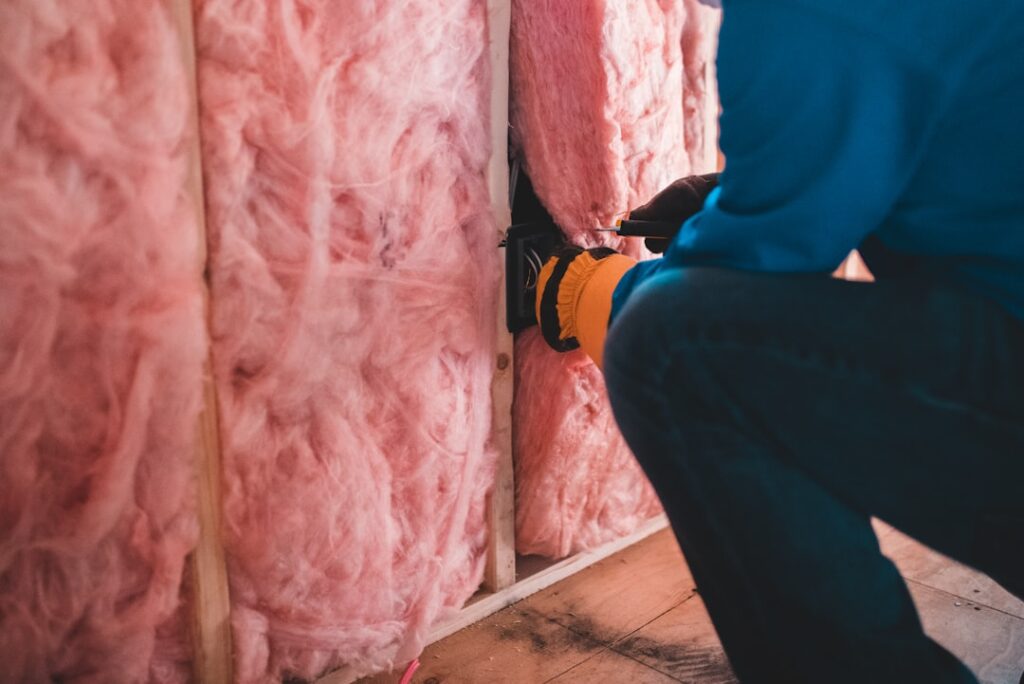
Cellulose attic insulation is a dense, eco-friendly, blown-in insulation made mostly from recycled paper that has become a popular choice for improving home energy efficiency. It fills gaps and irregular spaces better than batts, offers strong R-value per inch, and costs less than spray foam. This guide covers what cellulose is, its R-value and performance, pros and cons, cost, and how it stacks up against fiberglass so you can decide if it belongs in your attic.
- What Cellulose Insulation Is Made Of
- R-Value and Performance
- Pros of Cellulose Attic Insulation
- Cons and Considerations
- What Cellulose Attic Insulation Costs
- Cellulose vs Fiberglass
- Cellulose vs Spray Foam
- Installation Overview
- Common Mistakes to Avoid
- Dense-Pack vs Loose-Fill Cellulose
- Moisture Management and Ventilation
- Is Cellulose Right for Your Attic?
What Cellulose Insulation Is Made Of
Cellulose insulation is manufactured from recycled paper products, primarily newsprint, that are ground into a fluffy fiber and treated with borate compounds for fire and pest resistance. It contains roughly 80 to 85 percent recycled content, making it one of the greenest insulation options available. It is installed as a loose-fill product, blown into attics with a machine, where it settles into a dense blanket that conforms around joists, wiring, and other obstructions.
R-Value and Performance
Cellulose delivers an R-value of about R-3.2 to R-3.8 per inch, slightly higher than loose-fill fiberglass at roughly R-2.2 to R-2.7 per inch. To reach the R-49 to R-60 recommended for attics in most US climate zones, you need about 13 to 18 inches of blown cellulose. Its density is a real advantage: cellulose resists air movement better than fiberglass, so it performs better on cold, windy days when loose fiberglass can lose effectiveness as air infiltrates it.
Pros of Cellulose Attic Insulation
- Eco-friendly: made largely from recycled paper, with a low embodied energy.
- Excellent coverage: dense fill conforms around framing, wires, and pipes, sealing gaps batts leave.
- Good R-value per inch: higher than loose-fill fiberglass.
- Better air resistance: its density limits convective air movement and cold-weather performance loss.
- Fire and pest resistance: borate treatment resists flame spread and deters insects and rodents.
- Sound dampening: the dense fill reduces noise transmission.
- Cost-effective: cheaper than spray foam and competitive with fiberglass.
Cons and Considerations
Cellulose has drawbacks to weigh. It settles over time, losing some of its installed depth, so installers add extra to account for settling; ask about the settled versus initial R-value. It is heavier than fiberglass, which is fine for most attics but worth confirming the ceiling framing can support. It can absorb and hold moisture if a roof leaks, and wet cellulose loses R-value and can support mold, so a dry, well-flashed roof is essential. It is also dusty to install, requiring proper masks and ventilation.
What Cellulose Attic Insulation Costs
Blown-in cellulose typically costs $1 to $2.50 per square foot installed to reach recommended attic R-values, or roughly $1,500 to $3,500 for an average attic. Materials alone run about $0.60 to $1.20 per square foot. DIY is possible: many home centers loan or rent a blower machine with a bulk bag purchase, dropping material costs to around $0.50 to $0.80 per square foot, though you will want a helper to feed the machine while you handle the hose in the attic.
Cellulose vs Fiberglass
The two dominant blown-in options each have strengths. Cellulose has a higher R-value per inch, better air infiltration resistance, more recycled content, and superior gap-filling, but it is heavier, settles more, and is vulnerable to moisture. Fiberglass is lighter, does not absorb water the way cellulose does, and does not settle as much, but it has a lower R-value per inch, allows more air movement, and can lose performance in extreme cold. For dense air-sealing performance and eco-credentials, cellulose wins; for moisture tolerance and weight, fiberglass has the edge.
Cellulose vs Spray Foam
Spray foam offers the highest R-value per inch and creates an air seal on its own, but it costs two to four times more than cellulose. Cellulose paired with separate air sealing of attic penetrations delivers much of the benefit at a fraction of the cost. For homeowners who want strong performance on a reasonable budget, cellulose plus targeted air sealing is often the smartest value, while spray foam makes sense for specialized applications like conditioned attics and cathedral ceilings.
Installation Overview
Before adding cellulose, air-seal the attic: caulk and foam gaps around wiring, plumbing, recessed lights, and the attic hatch, because insulation slows heat transfer but does not stop air leaks. Install baffles at the eaves to keep soffit vents clear for airflow. Then blow the cellulose to an even depth across the attic floor, using depth markers to verify you hit the target inches. Keep it away from recessed lights not rated for insulation contact, and maintain clearance around chimneys and flues per code.
Common Mistakes to Avoid
The top mistake is skipping air sealing before blowing insulation, which leaves leaks that let conditioned air escape right through the new insulation. Second is under-filling and not hitting the target depth, so you pay for insulation but fall short of the R-value. Third is blocking soffit vents and causing moisture and ice-dam problems. Fourth is installing over a roof that leaks, which ruins cellulose. Fifth is burying non-IC-rated recessed lights, a fire hazard.
Dense-Pack vs Loose-Fill Cellulose
Cellulose is installed two main ways, and the difference matters. In an open attic floor, it is blown in loose-fill, settling into a fluffy blanket over the ceiling joists to the target depth. In enclosed cavities, such as existing walls or cathedral ceilings, it is dense-packed, meaning it is blown in at high pressure to a much greater density so it fills the cavity completely and resists settling. Dense-pack cellulose is a favorite for retrofitting insulation into the walls of older homes without tearing off the interior, since installers drill small holes, pack the cavity, and patch. For a standard attic floor, loose-fill is the norm and the most economical, while dense-pack is the technique when you need cellulose to stay put in a vertical or sloped enclosed space.
Moisture Management and Ventilation
Because cellulose can absorb and hold water, controlling moisture is essential to a lasting installation. Make sure the roof is sound and free of leaks before adding insulation, and confirm the attic has proper ventilation through soffit and ridge or gable vents so humidity does not build up and condense in the insulation. Install baffles at the eaves to keep the soffit vents open after the cellulose is blown in, maintaining the airflow path from soffit to ridge. Also check that bathroom and kitchen exhaust fans vent all the way to the exterior, not into the attic, because dumping humid air into cellulose is a recipe for damp, degraded insulation and mold. With a dry, well-ventilated attic, cellulose performs reliably for decades.
Is Cellulose Right for Your Attic?
Cellulose attic insulation is an excellent choice for most homes: it is affordable, eco-friendly, performs well in cold climates thanks to its density, and fills the gaps that plague batt insulation. It is best in attics with a sound, dry roof and adequate ventilation. If your attic is prone to moisture or you need the absolute lowest weight, fiberglass may suit better, and for premium air-sealing performance, spray foam leads. For the best balance of value, green credentials, and real-world performance, cellulose is hard to beat.
Adding cellulose attic insulation is one of the highest-return energy upgrades a homeowner can make, cutting heating and cooling bills and improving comfort year-round. Air-seal first, hit the recommended R-value depth, keep vents clear, and ensure your roof is dry, and cellulose will quietly pay you back season after season. Compared with the alternatives, cellulose attic insulation lands in a sweet spot of affordability, strong real-world performance, and genuine environmental benefit, which is why it remains one of the most recommended attic upgrades. Whether you hire a pro or rent a blower and do it yourself, the combination of thorough air sealing and a deep, even layer of cellulose is what delivers the lower bills and steadier indoor comfort that make the project worthwhile.


