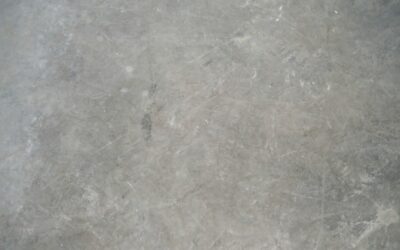
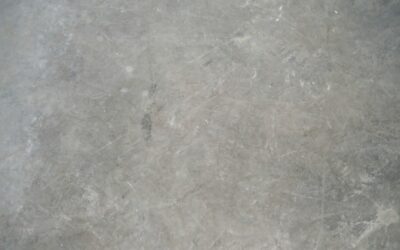
Cement floors have evolved from an industrial afterthought into one of the most sought-after flooring options for modern homes. Polished, stained, or stamped concrete delivers a sleek, durable surface that works with contemporary, industrial, minimalist, and even farmhouse design styles. We have been finishing and installing concrete floors for over 30 years, and the demand from homeowners has grown every single year. This guide covers every cement floor option, along with honest pros, cons, costs, and maintenance details.
Polished Concrete Floors
Polished concrete is the most popular cement floor finish for residential spaces. The process uses industrial diamond grinders to progressively smooth the concrete surface through multiple grit levels, from coarse grinding to ultra-fine polishing, until the floor achieves a mirror-like or satin sheen.
The polishing process typically involves 4 to 7 grinding passes with increasingly fine diamond pads. A chemical densifier (lithium silicate) is applied during the process to harden the concrete surface and fill pores. The final sheen level is controlled by the grit of the last polishing pass:
- 400 grit: Low sheen, matte appearance. Shows the aggregate but does not reflect light
- 800 grit: Medium sheen, satin finish. The most popular residential choice
- 1500 grit: High sheen, semi-gloss appearance. Reflects light and shows floor detail
- 3000 grit: Ultra-high gloss, mirror-like reflection. Dramatic but shows every scratch and footprint
Polished concrete exposes the natural character of the slab, including aggregate stones, minor color variations, and subtle texture. This natural variation is part of the appeal. No two polished concrete floors look exactly alike.
For new construction, the concrete mix design can be specified with decorative aggregates (glass, marble chips, granite) that become visible when the surface is ground and polished. Existing slabs are polished as-is, and the exposed aggregate depends on what is in the original pour.
Polished concrete is extremely hard, scratch-resistant, and easy to maintain. It does not harbor dust mites, mold, or allergens. For allergy sufferers and people with respiratory sensitivities, polished cement floors are among the healthiest flooring choices available.
Stained Concrete Floors
Staining adds color to cement floors without covering the natural texture and character of the concrete. There are two types of concrete stains, and they produce very different results.
Acid stains (reactive stains): These contain metallic salts dissolved in a mild acid solution that chemically react with the minerals in concrete. The reaction produces translucent, variegated color tones that look organic and natural. Colors are limited to earth tones: tans, browns, terra cotta, soft blue-green, and black. No two acid-stained floors look the same because the chemical reaction varies with the concrete’s composition.
Water-based stains (non-reactive): These are essentially concrete dyes that penetrate the surface and deposit color without a chemical reaction. They produce more uniform, predictable color and come in a much wider range of shades, including bright blues, reds, greens, and custom-mixed colors. Water-based stains are easier to control and apply but produce a less organic, more painted look.
Staining process:
- Clean the concrete surface thoroughly and remove any sealers, paint, or coatings
- For acid stain: apply the stain with a sprayer or brush and let it react for 4 to 24 hours
- Neutralize the acid stain with a baking soda and water solution, then rinse
- For water-based stain: apply with sprayer, brush, or roller in thin, even coats
- Allow drying between coats (2 to 4 hours for water-based)
- Apply 2 to 3 coats of sealer to protect the color and create the desired sheen
Stained concrete is often combined with scoring (cutting shallow lines into the surface) to create patterns that mimic tile, stone, or custom designs. A scored and stained floor can replicate the look of expensive natural stone at a fraction of the cost.
Stamped Concrete Floors
Stamped concrete uses large rubber stamps pressed into freshly poured or overlaid concrete to create textures and patterns that replicate natural stone, brick, slate, tile, or wood planks.
This technique is more common for patios, pool decks, and outdoor spaces, but it works indoors as well. Interior stamped cement floors can mimic the look of hand-laid stone or aged brick for a fraction of the material and labor cost.
Stamped concrete process:
- Pour fresh concrete or apply a stampable overlay (1/4 to 3/8 inch thick) over an existing slab
- Apply a base color using integral color (mixed into the concrete) or a color hardener (broadcast on the surface)
- Apply a release agent (powder or liquid) that prevents the stamps from sticking and adds secondary color variation
- Press stamps into the concrete surface while it is still workable
- Detail the edges and joints by hand
- Wash off excess release agent after curing
- Seal with a clear or tinted sealer
Stamped concrete provides a textured surface that is more slip-resistant than polished concrete. It is also more affordable than real stone or brick installation. The main disadvantage for interiors is the textured surface, which is harder to clean than smooth polished or stained concrete.
For indoor applications, lighter stamp textures (smooth stone, limestone, travertine patterns) work better than heavy textures (rough slate, cobblestone) that can be uncomfortable underfoot without shoes.
Concrete Floor Coatings
Coatings cover the concrete surface with a durable, protective film that adds color, sheen, and wear resistance. This is the most common approach for garages, basements, and utility spaces, but modern coating systems are increasingly used in living areas.
Epoxy coatings: Two-part systems (resin and hardener) that bond to concrete and create a thick, glossy, extremely hard surface. Epoxy floors resist chemicals, impact, and abrasion. They are available in solid colors, metallic finishes (marble-like swirls), and flake systems (colored chips broadcast into the wet epoxy). Epoxy is excellent for garages and basements but can yellow under direct sunlight in rooms with lots of windows.
Polyurethane coatings: More flexible than epoxy with better UV resistance. Often applied as a topcoat over epoxy for the best combination of hardness and sun stability. Polyurethane alone is thinner than epoxy and works well as a clear protective coat over stained concrete.
Polyaspartic coatings: The newest generation of concrete coatings. Polyaspartic systems cure faster (walkable in 4 to 6 hours versus 24+ for epoxy), have excellent UV stability, and perform well in temperature extremes. They cost more than epoxy but offer a same-day return to service. Increasingly popular for residential garage floors and basement living spaces.
Microtopping (concrete overlay): A thin cementitious coating (1/16 to 1/8 inch) troweled over existing concrete to create a smooth, uniform surface. Microtoppings can be colored, stained, or polished after application. They are ideal for covering damaged or patched concrete that is not suitable for direct polishing or staining.
Pros and Cons for Residential Use
Understanding the real-world advantages and drawbacks of cement floors in a home setting helps you decide if concrete is right for your project.
Pros:
- Exceptional durability: Concrete floors last the lifetime of the home. No other flooring material matches concrete’s longevity
- Low maintenance: Dust mop and occasional damp mop. No waxing, refinishing, or replacement cycles
- Allergen-friendly: No fibers, grout lines, or seams where dust, mold, or allergens accumulate
- Design versatility: Polished, stained, stamped, or coated in virtually any color and pattern
- Radiant heat compatible: Concrete has excellent thermal mass, making it the ideal substrate for in-floor radiant heating
- Sustainable: Uses the existing slab rather than adding new materials. No VOC-emitting adhesives or products (with water-based sealers)
- Cost-effective: Often cheaper than hardwood, tile, or premium vinyl when starting with an existing slab
Cons:
- Hard on feet and joints: Concrete has zero give. Standing for long periods is more fatiguing than on wood, vinyl, or carpet. Use anti-fatigue mats in kitchen work areas
- Cold without radiant heat: Concrete feels cold underfoot, especially in basements and ground-floor slabs. Radiant heating solves this but adds $8 to $15 per square foot
- Not forgiving on dropped items: Glasses, plates, and electronics shatter on impact with concrete. A rug in the kitchen helps
- Cracking: All concrete cracks eventually. Control joints manage where cracks form, and skilled finishers can incorporate cracks into the design, but they are inevitable
- Moisture potential: Ground-level and below-grade slabs can transmit moisture vapor. A vapor barrier and proper sealing are essential
- Noise: Hard surfaces reflect sound. Cement floors make rooms louder. Area rugs and soft furnishings help manage acoustics
Sealing Cement Floors
Every finished cement floor needs a sealer. Unsealed concrete is porous and will absorb stains, moisture, and dirt permanently. The sealer protects the finish, enhances the appearance, and makes the floor maintainable.
Penetrating sealers: Soak into the concrete and protect from within. They do not change the appearance significantly. Best for polished concrete where you want to maintain the natural look. Lithium silicate densifiers (applied during polishing) serve as penetrating sealers.
Topical sealers: Sit on the surface and create a visible film. Available in matte, satin, and high-gloss sheens. Acrylic sealers are the most common and affordable option for stained and stamped concrete. Polyurethane and epoxy sealers provide heavier-duty protection for high-traffic areas.
Sealer application:
- Clean the surface thoroughly and allow it to dry completely
- Apply with a microfiber applicator, roller, or sprayer in thin, even coats
- Apply 2 to 3 coats with drying time between each (check product label)
- Allow 24 to 48 hours before foot traffic and 72 hours before moving furniture
Resealing schedule: Topical sealers on cement floors typically need reapplication every 2 to 5 years depending on traffic. Penetrating sealers and densifiers can last 5 to 10 years before reapplication. Watch for water absorption as your indicator: if water darkens the surface rather than beading, it is time to reseal.
Maintenance and Daily Care
Sealed cement floors are among the easiest flooring surfaces to maintain. The key is protecting the sealer, which in turn protects the concrete.
Daily care: Dust mop or sweep with a microfiber dust mop to remove grit and debris. Fine grit is the enemy of polished concrete because it acts like sandpaper under foot traffic, gradually dulling the polish.
Weekly care: Damp mop with a pH-neutral cleaner diluted in water. Avoid acidic cleaners (vinegar, citrus-based) and alkaline cleaners (ammonia, bleach) that can damage the sealer or etch the concrete surface. Products designed specifically for polished concrete (like Prosoco LSGuard Cleaner or Bona Stone, Tile and Laminate Cleaner) are ideal.
Spot cleaning: Wipe up spills promptly. Sealed concrete resists most stains, but acidic substances (wine, tomato sauce, citrus juice) can etch through thin sealers if left sitting. For stubborn spots, a non-abrasive pad with floor cleaner works well.
Protection: Use felt pads under furniture legs. Place mats at exterior doors to catch grit and moisture. In kitchens, use anti-fatigue mats at the sink and prep areas. These serve double duty: protecting the floor and reducing foot fatigue.
Polished floor maintenance: Polished concrete develops a deeper shine with use over time. Occasional burnishing with a high-speed burnisher restores the polish in high-traffic areas. Most homeowners have this done professionally every 2 to 3 years.
Design Ideas for Modern Homes
Cement floors set the stage for some of the most striking interior designs. Here are approaches we see working in real homes.
Industrial modern: Polished concrete with exposed aggregate, metal furniture, and raw wood accents. Leave the concrete as natural as possible with a medium-sheen polish. Let the natural variations and aggregate tell the story. Pair with black metal light fixtures, leather seating, and open shelving.
Scandinavian minimalist: Light-stained or natural concrete with white walls, blonde wood furniture, and soft textiles. Apply a white or light gray water-based stain with a matte sealer. Add warmth with large area rugs and natural-fiber accents.
Contemporary luxury: High-gloss polished concrete with metallic epoxy accents in select areas. Pair with clean-lined furniture, dramatic lighting, and minimal accessories. The reflective floor becomes a design feature that amplifies natural light.
Farmhouse industrial: Acid-stained concrete in warm brown tones with reclaimed wood furniture, woven textiles, and vintage accessories. The organic color variation of acid staining blends seamlessly with farmhouse aesthetics.
Loft living: Raw polished concrete throughout an open floor plan, using area rugs to define living zones. Concrete floors unify a large open space visually while rugs create intimate areas for seating, dining, and work.
Radiant heat integration: Cement floors with in-floor radiant heating become the most comfortable flooring surface in the house during cooler months. The thermal mass of concrete holds and radiates heat evenly. This is one of the strongest arguments for cement floors in bedrooms and living areas.
Indoor-outdoor flow: Polished or stained concrete inside that transitions to stamped or broomed concrete on the patio creates a seamless connection between interior and exterior spaces. Use the same base color and vary only the finish for a unified look.
Cost Breakdown
One of the strongest arguments for cement floors is the cost, especially when you are working with an existing concrete slab.
Polished concrete (existing slab):
- Basic grind and seal: $3 to $7 per square foot
- Full multi-step polish (800 grit): $5 to $10 per square foot
- High-gloss polish (1500+ grit) with densifier: $8 to $15 per square foot
Stained concrete:
- Acid stain with sealer: $4 to $10 per square foot
- Water-based stain with sealer: $3 to $8 per square foot
- Scored patterns with stain: $8 to $15 per square foot
Stamped concrete:
- Stamped overlay on existing slab: $8 to $15 per square foot
- New stamped concrete pour: $12 to $20 per square foot
Coatings:
- Epoxy (solid color): $3 to $7 per square foot
- Metallic epoxy: $6 to $12 per square foot
- Polyaspartic: $5 to $10 per square foot
Additional costs:
- Concrete repair and patching: $2 to $5 per square foot
- Radiant floor heating: $8 to $15 per square foot
- Moisture barrier: $1 to $3 per square foot
Total for a 1,000-square-foot open living area:
- Basic polish on existing slab: $3,000 to $7,000
- Premium stain and polish: $8,000 to $15,000
- New stamped concrete: $12,000 to $20,000
Compared to hardwood ($10,000 to $20,000 for the same area) or premium tile ($12,000 to $25,000), cement floors often deliver a comparable or better look at lower cost, especially when the slab already exists.
Frequently Asked Questions
Are cement floors cold in winter?
Yes, without radiant heating. Concrete is a thermal mass that absorbs the temperature of its environment. In heated homes, concrete stabilizes at room temperature and feels cool but not uncomfortable. For truly warm floors, install hydronic or electric radiant heating beneath or within the slab. This costs $8 to $15 per square foot but transforms cement floors from cool to the warmest surface in the house.
Do cement floors crack?
All concrete cracks eventually. Control joints (tooled or saw-cut lines) direct cracking to predetermined locations where it is less visible. Hairline cracks in residential slabs are cosmetic, not structural. Skilled finishers can incorporate cracks into the design or fill them with color-matched epoxy. Cracks do not affect the performance or longevity of a properly installed cement floor.
Can I polish an existing basement concrete floor?
In most cases, yes. The concrete needs to be in reasonable condition without extensive spalling or damage. Moisture testing is critical in basements since below-grade slabs can transmit significant moisture vapor. If moisture levels are within acceptable limits, a grind-and-polish or stain-and-seal system works beautifully in basements and is one of the most cost-effective basement flooring options.
How long do cement floors last?
The concrete itself lasts the lifetime of the structure, typically 50 to 100+ years. The finish (polish, stain, or coating) needs periodic maintenance. Polished concrete maintains its sheen for 5 to 10 years before repolishing. Stained and sealed concrete needs resealing every 2 to 5 years. Epoxy coatings last 10 to 20 years in residential settings.
Are cement floors slippery?
High-gloss polished concrete can be slippery when wet. For kitchens, bathrooms, and entryways, choose a matte or satin finish (400 to 800 grit) which provides better traction. Stamped and textured concrete finishes are naturally slip-resistant. Adding a non-slip additive to the final sealer coat is another option for areas prone to moisture.
Prefer to explore on your own?
See how new flooring looks in your actual room in seconds — free, no signup.
Try the free Floor Studio →