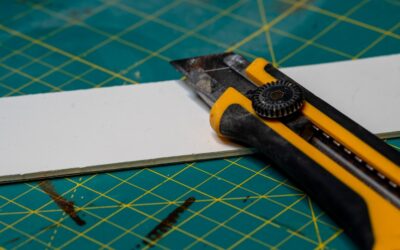
Open a stack of shipping boxes with a dull steel utility knife and you will reach for a sharpener within a week. Switch to a ceramic box cutter and you may go months without a single touch-up. The blade is made from zirconium oxide, a hard technical ceramic that holds an edge far longer than steel and never rusts. It is the same family of material used in industrial bearings and certain knife blades, and it brings real advantages to the workshop, the kitchen, and the garage. Knowing where it excels, and where it does not, helps you decide whether it deserves a spot in your toolbox.
Part of our Tile & Grout guide — explore the full guide →
What a Ceramic Blade Actually Is
Zirconium oxide is the key. This advanced ceramic ranks around 8.5 on the Mohs hardness scale, well above hardened steel at roughly 6 to 6.5. Greater hardness means the cutting edge wears down much more slowly, so the blade stays sharp through far more cuts.
Because ceramic is chemically inert, it does not corrode, oxidize, or react with food, adhesives, or solvents. That makes it a favorite for cutting tape, packaging, and even produce without leaving a metallic taste or rust streak behind.
Key Advantages Over Steel
Several real benefits explain why ceramic cutters have grown popular with shippers, crafters, and home users alike.
- Long edge life: A ceramic blade can stay sharp up to 10 times longer than a comparable steel blade in light-duty use.
- Rust-proof: No corrosion, ever, which matters in humid garages and outdoor work.
- Nonconductive and nonmagnetic: Safer around live electrical work and won’t disturb sensitive electronics.
- Chemically inert: Won’t react with adhesives, foods, or chemicals.
- Lightweight: Ceramic is lighter than steel, reducing hand fatigue over long sessions.
For repetitive tasks like breaking down dozens of cartons, that edge retention adds up to less downtime and fewer blade changes.
The Trade-Offs to Know
No tool is perfect, and ceramic has clear limits. The same hardness that keeps it sharp also makes it brittle. Drop a ceramic blade on a tile floor or twist it sideways prying open a stubborn box, and it can chip or snap rather than flex like steel.
- Brittleness: Avoid prying, twisting, or impact. Use it for slicing, not leverage.
- Harder to resharpen: Most users replace blades rather than sharpen them, since ceramic needs diamond abrasives.
- Higher upfront cost: The tool and blades cost more than basic steel.
- Not for heavy material: Thick carpet, metal banding, or hard stock can chip the edge.
Treat it as a precision slicer and it rewards you. Treat it like a pry bar and it will not last.
Common Uses Around the Home
Versatility is part of the appeal. A ceramic box cutter handles everyday slicing jobs cleanly and safely.
- Breaking down cardboard boxes and shipping cartons
- Cutting packing tape, shrink wrap, and plastic clamshells
- Trimming wallpaper, vinyl, foam board, and craft materials
- Opening sealed bags and blister packaging
- Light kitchen prep, since the blade is food-safe and rust-free
For flooring projects, a ceramic blade scores underlayment, foam, and thin vinyl well, but reach for a heavy-duty steel hook blade when cutting thick LVP or carpet.
What a Ceramic Box Cutter Costs
Pricing is reasonable for the longevity you get. As a general market range, a basic ceramic-blade box cutter runs about $10 to $25, while premium retractable and folding models with ergonomic handles land around $25 to $45. Replacement blades typically cost $5 to $15 for a pack of two to five.
Compared with steel, you spend more up front but replace blades far less often. For anyone cutting packaging daily, the math usually favors ceramic within a few months.
Safety and Smart Use
Sharpness cuts both ways. A ceramic edge stays keen, so the same blade that glides through tape will also open skin with little resistance. Always cut away from your body and keep your free hand clear of the blade path.
Choose a model with a retractable or covered blade so the edge is shielded when not in use. Because the edge is so durable, people sometimes forget how sharp it remains after months of use. Store the cutter with the blade retracted, keep it out of reach of children, and never use it to pry, twist, or hammer. If a blade chips, swap it immediately, since a damaged edge cuts unpredictably.
How to Choose the Right Model
Not every ceramic cutter is built the same, and a few features separate the good ones from the frustrating ones. Blade exposure is the first thing to check. Retractable models let you dial out just enough edge for the job, which improves both safety and control compared with a fixed blade.
Handle design comes next. A grippy, contoured handle reduces fatigue and slipping, especially if your hands get sweaty or you cut for long stretches. Look at how the blade is held in place as well; a tool-free blade change saves real frustration when it is time to swap a chipped edge.
- Retractable vs. fixed: Retractable is safer for general home use and storage.
- Folding pocket models: Compact and convenient, good for carrying in a bag or apron.
- Single-edge vs. double-edge blades: Double-edge blades flip to give you a fresh edge before replacement.
- Blade availability: Pick a brand with easy-to-find replacement blades so you are not stuck.
For most homeowners, a retractable ceramic cutter with an ergonomic handle and a common blade size covers nearly every task you will throw at it.
Is a Ceramic Box Cutter Worth It?
For light to medium slicing that you do often, a ceramic box cutter is a smart upgrade. You get a blade that stays sharp for months, never rusts, and cuts cleanly through everyday packaging and craft materials. Just respect its brittleness, keep a steel knife on hand for heavy or abusive cuts, and store it safely. For a tool you reach for almost daily, the longer edge life and corrosion resistance make it an easy investment, and the crew at D and G Flooring keeps one on every job for clean, fast packaging and underlayment cuts.
Prefer to explore on your own?
See how new flooring looks in your actual room in seconds — free, no signup.
Try the free Floor Studio →