The promise sounds almost too good: a thin, nearly invisible layer that makes a surface easier to clean, more water-repellent, and better protected for years. Ceramic coatings are liquid protective treatments that cure into a hard, glass-like layer bonded to a surface, and they have moved well beyond their original automotive use into floors, tile, countertops, and other home applications. They are not magic and they are not a substitute for good materials, but understanding what they do helps you decide where they make sense and what to expect from them.
Part of our Tile & Grout guide — explore the full guide →
What Ceramic Coatings Are
A ceramic coating is a liquid that contains silica-based or similar compounds. When applied and cured, it chemically bonds to the surface and hardens into a transparent, durable layer. That layer is hydrophobic, meaning it repels water, and it adds a measure of scratch, stain, and UV resistance depending on the product. Unlike a wax or simple sealer that sits loosely on top and wears off quickly, a true ceramic coating forms a more permanent bond and lasts far longer.
The category is broad. Some products are professional-grade formulas applied by trained installers, while others are consumer DIY kits. Quality, durability, and ease of application vary widely, so reading the specific product’s claims matters more than the general label.
Where Ceramic Coatings Are Used
Ceramic coatings show up across many surfaces, each with its own goals.
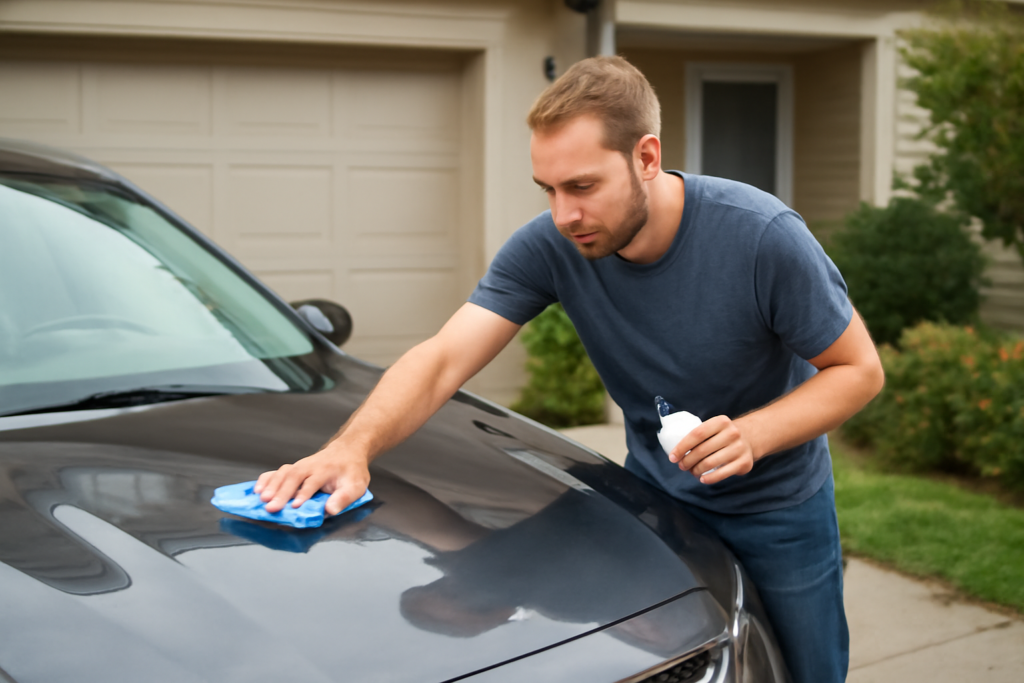
- Automotive and surfaces: The most familiar use, protecting paint and glass with a glossy, easy-clean, water-beading finish.
- Tile and grout: Applied to seal and protect, making surfaces more resistant to stains and easier to wipe down.
- Concrete and garage floors: Some coatings add a tough, chemical-resistant layer to slabs.
- Countertops and stone: Certain products help repel water and stains on porous surfaces, though always verify the coating is rated for the specific material.
- Glass and shower enclosures: A hydrophobic layer that reduces water spotting and soap buildup.
Whatever the surface, the common appeal is the same: better water repellency, easier cleaning, and added protection against everyday wear.
Key Benefits
Done right, a ceramic coating delivers several practical advantages. The hydrophobic effect causes water to bead and roll off, carrying dirt with it and making cleaning faster. The hardened layer adds protection against minor scratches, stains, and chemicals. Many coatings also resist UV exposure, helping reduce fading. And because a quality coating lasts much longer than wax, you spend less time reapplying protection.
It is important to keep expectations realistic. A ceramic coating reduces and resists damage; it does not make a surface scratchproof or stainproof. Sharp impacts, abrasive cleaning, and neglect can still cause harm.
How Long They Last
Longevity depends heavily on the product, the surface, the quality of application, and the conditions. Consumer DIY coatings may last several months to a couple of years, while professional-grade automotive coatings are often rated for multiple years. Heavy use, harsh cleaners, and abrasion shorten the lifespan. Proper preparation and maintenance are the biggest factors in getting the longer end of any product’s claimed range.
Application Basics and Safety
Surface preparation is the heart of a successful coating. The surface must be thoroughly cleaned and, depending on the product, decontaminated and fully dried so the coating can bond properly. The coating is then applied in a thin, even layer, often with an applicator pad, and allowed to cure for the time the product specifies before exposure to water or use.
Safety matters because many ceramic coatings contain solvents and give off fumes. Always follow the manufacturer’s directions and these general precautions:
- Work in a well-ventilated area, indoors or with the windows and doors open.
- Wear gloves and eye protection, and a respirator if the product recommends one.
- Keep the product away from skin and avoid breathing the fumes.
- Store and dispose of the product according to the label.
For large or critical surfaces, professional application is often worth the cost because preparation and even coverage are difficult to get right by hand.
Ceramic Coating vs Sealers and Wax
It helps to understand how ceramic coatings differ from the simpler protectants they often replace. A wax sits loosely on top of a surface and wears off within weeks or a few months, needing frequent reapplication. A penetrating sealer soaks into a porous material like stone or grout and helps repel water and stains from within, but it too wears and needs periodic renewal. A ceramic coating, by contrast, bonds chemically to the surface and cures into a harder, longer-lasting layer that resists wear far better than wax and often outlasts a sealer.
That does not make ceramic coatings the right answer for every surface. On porous natural stone, a quality penetrating sealer is sometimes the more appropriate, manufacturer-recommended protection. On glass, tile, and finished surfaces where you want easy-clean water repellency, a ceramic coating shines. The best choice depends on the material and what the surface maker recommends, so always confirm compatibility before applying anything.
Realistic Expectations
Marketing around ceramic coatings can promise more than any product delivers, so it pays to be clear-eyed. A coating makes a surface easier to clean and more resistant to water, stains, and minor scratches, but it does not make anything scratchproof, stainproof, or maintenance-free. Sharp impacts can still chip or scratch, harsh chemicals can degrade the layer, and neglect will shorten its life. The hydrophobic, beading effect also fades over time and is the first sign that reapplication is approaching. Treat a ceramic coating as a durable layer of added protection that reduces effort and wear, not as permanent armor, and you will be satisfied with what it actually provides.
Maintenance After Coating
A coated surface still needs care, just less of it. Clean with gentle, non-abrasive products and avoid harsh chemicals that can degrade the layer over time. Skip aggressive scrubbing pads. Following the maintenance routine the manufacturer recommends preserves the hydrophobic effect and extends how long the coating performs.
The Bottom Line
Ceramic coatings provide a durable, water-repellent, easy-clean layer across a range of surfaces, from cars to tile to concrete. They reduce wear and simplify cleaning but do not make surfaces indestructible. Choose a product rated for your specific surface, prepare it carefully, work safely with proper ventilation, and maintain it gently. With realistic expectations and good application, a ceramic coating is a worthwhile layer of protection.
Prefer to explore on your own?
See how new flooring looks in your actual room in seconds — free, no signup.
Try the free Floor Studio →