Throwing clay looks effortless in videos and turns out to be one of the most rewarding skills you can learn at home. The tool at the center of it all is the ceramic wheel, also known as a pottery wheel, which spins a lump of clay so you can shape it into bowls, mugs, vases, and more. Choosing the right wheel makes a real difference in how quickly you progress and how much you enjoy the craft. This guide explains the types of wheels, the features that matter, and how to pick one that fits your space, skill level, and budget.
What a Ceramic Wheel Does
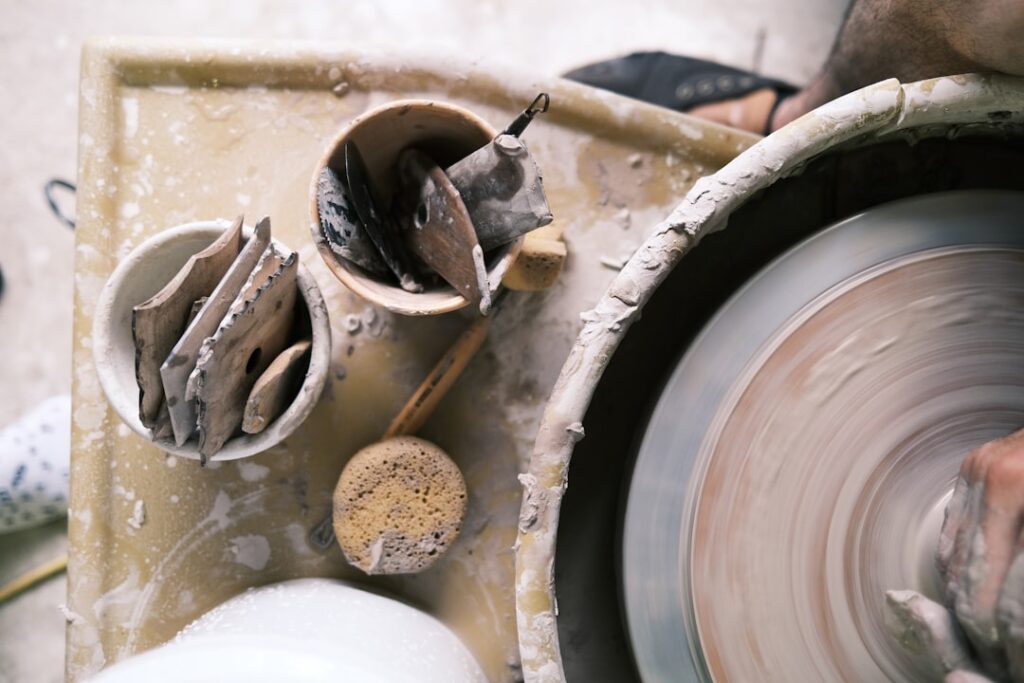
A ceramic wheel rotates a flat disc, called the wheel head, at a controllable speed. You center a ball of clay on the head, then use your hands and water to pull, shape, and refine it as it spins. The steady rotation is what lets you create symmetrical, round forms that would be nearly impossible to make by hand. The smoother and more controllable the spin, the easier it is to throw clean shapes.
Types of Pottery Wheels
There are two broad categories, and most home potters choose electric.
- Electric wheels: Powered by a motor with a foot pedal or hand control for speed. They are easy to use, consistent, and by far the most popular for home studios.
- Kick wheels: Traditional wheels powered by your foot kicking a heavy flywheel. They are quiet, need no electricity, and offer a meditative experience, but they are heavy, take effort, and are less common for beginners.
- Tabletop electric wheels: Compact, lighter electric wheels that sit on a table, ideal for small spaces and hobbyists.
Key Features to Consider
A few specs determine how well a wheel will serve you.
- Motor power: Measured in horsepower, this affects how much clay you can throw without the wheel slowing under pressure. More power lets you center larger amounts of clay.
- Centering capacity: The maximum weight of clay the wheel can handle, often listed in pounds. Beginners rarely need huge capacity, but it gives room to grow.
- Wheel head size: A larger head accommodates bigger pieces and bats.
- Speed control: A smooth, responsive foot pedal or control matters for fine work.
- Reversible direction: Useful for left-handed potters.
- Portability and weight: Tabletop models are easy to store; full-size wheels are heavier but more stable.
Choosing a Wheel for Your Skill Level
Match the wheel to where you are now and where you want to go.
Beginners and Hobbyists
A reliable mid-range electric wheel or a quality tabletop model is plenty. Look for smooth speed control and enough centering capacity for the bowls and mugs you will start with.
Serious and Frequent Potters
A full-size electric wheel with a stronger motor and larger centering capacity handles bigger forms and long studio sessions without bogging down.
Tight Spaces
A tabletop electric wheel stores easily and works on a sturdy table, making it ideal for apartments or shared rooms.
Setting Up Your Pottery Space
Throwing is a wet, messy hobby, so plan the space accordingly. Set the wheel where splashes and clay slip will not damage finished surfaces, and protect the floor underneath. A washable mat, a plastic drop cloth, or a sealed, easy-clean floor like tile or sealed concrete is ideal beneath a wheel, since clay water spreads and dries to a fine dust. Keep a bucket of water within reach, and never wash large amounts of clay down a household drain, where it can clog pipes; use a clay trap or settle and dispose of it properly.
Accessories You Will Want
A wheel is the centerpiece, but a few extras make throwing easier.
- Bats: Removable discs that snap onto the wheel head so you can lift off finished pieces without distorting them.
- Throwing tools: Ribs, needle tools, wire cutters, sponges, and trimming tools.
- A splash pan: Catches water and slip, which keeps your space cleaner. Many wheels include one.
- A comfortable seat: A stool at the right height saves your back during long sessions.
Maintenance and Care
Keeping a wheel clean extends its life. Wipe down the wheel head, splash pan, and surfaces after each session before the clay dries, since hardened clay is harder to remove and can build up. Keep water and slip away from the motor and electrical components. Check that the wheel sits level and stable so it spins true. With routine cleaning and care, a good electric wheel can last many years of regular use.
Buy New or Used?
A pottery wheel is an investment, so it is worth weighing new against used. A new wheel comes with a warranty, the latest features, and the assurance that nothing is worn out, which matters for the motor and bearings. A used wheel can be a great value, especially for a beginner testing the waters, but inspect it carefully: listen for a smooth, quiet motor, check that the speed control responds without jumping, confirm the wheel head spins true without wobble, and look for water damage near the motor. A well-maintained used wheel from a reputable studio or potter can serve for years, while a neglected one can cost more in repairs than it saved.
Beyond the Wheel: The Full Pottery Setup
Throwing is only one stage of pottery, so plan for the rest of the process. After shaping, pieces need to dry slowly, then be trimmed, and eventually fired in a kiln. Many home potters do not own a kiln at first and instead rent firing time at a community studio or local ceramics shop, which is a practical way to start without a major added expense. You will also want a way to recycle and rehydrate clay scraps, plus storage for tools, glazes, and works in progress. Thinking through the whole workflow before you buy helps you set up a space that actually works.
The Bottom Line
A ceramic wheel opens the door to a hands-on, deeply satisfying craft, and the right one depends on your space, ambitions, and budget. Beginners do well with a smooth, mid-range electric or tabletop wheel, while dedicated potters benefit from more motor power and centering capacity. Set it up over a washable, protected surface, gather a few essential tools, and keep it clean. With the right wheel, you will be shaping your first bowls sooner than you think.
Prefer to explore on your own?
See how new flooring looks in your actual room in seconds — free, no signup.
Try the free Floor Studio →