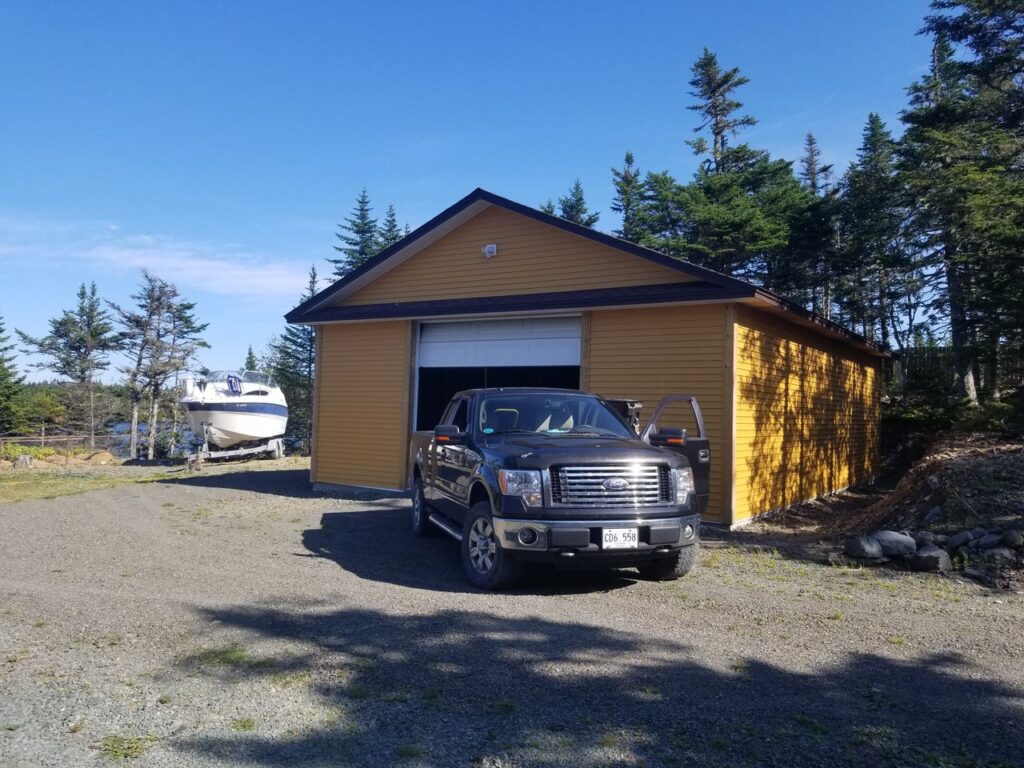
Few home upgrades deliver the everyday convenience of a reliable garage door opener, and the chamberlain garage door lineup has become one of the most recognizable names in the category. Owned by the same parent company as LiftMaster, Chamberlain builds consumer-focused openers that balance quiet operation, smartphone control, and a price point that most homeowners can justify for a weekend upgrade.
Part of our Garage Doors guide — explore the full guide →
This guide breaks down the drive types, horsepower ratings, smart features, installation basics, and troubleshooting steps so you can choose the right unit and keep it running for years.
- Understanding Chamberlain Drive Types
- Horsepower and Lifting Capacity
- myQ Smart Features
- Installing a Chamberlain Garage Door Opener
- Common Troubleshooting Fixes
- What a Chamberlain Opener Costs
- Maintenance That Extends Lifespan
- Chamberlain Versus LiftMaster
- Understanding Battery Backup and Security
- Choosing the Right Accessories
- Is Chamberlain Right for You?
Understanding Chamberlain Drive Types
The drive system is the single biggest factor in how loud your opener is and how much maintenance it needs. Chamberlain offers three main configurations, and picking correctly depends largely on whether living space sits above or beside the garage.
- Belt drive: A reinforced rubber belt moves the trolley, making this the quietest option. Ideal for garages under bedrooms or attached to living areas. Expect to pay a modest premium over chain models.
- Chain drive: A metal chain provides the most durable, budget-friendly pull. It is louder and vibrates more, so it suits detached garages or shops where noise is not a concern.
- Wall-mount (jackshaft): Mounted beside the door rather than on the ceiling, this frees overhead space and works well with high or cathedral ceilings. It is the most expensive style but delivers a clean, modern look.
Horsepower and Lifting Capacity
Chamberlain openers are rated in horsepower or horsepower-comparable (HPc) terms. The right rating depends on the size and weight of your door.
- 1/2 HP: Adequate for a standard single or lightweight double door made of aluminum or thin steel.
- 3/4 HP: The sweet spot for most two-car doors, especially heavier insulated steel panels.
- 1-1/4 HP: Best for oversized, solid-wood, or carriage-house doors that carry significant weight.
Choosing a slightly higher rating than the minimum reduces strain on the motor and extends its service life, which is a smart hedge if you ever upgrade to a heavier insulated door later.
myQ Smart Features
Nearly every current Chamberlain opener includes built-in myQ connectivity, the feature that separates modern units from older remote-only models. Using your home Wi-Fi, myQ links the opener to a smartphone app so you can:
- Open, close, and monitor the door from anywhere.
- Receive alerts when the door opens or closes.
- Set schedules that automatically close the door at night.
- Grant temporary access to guests or service providers.
myQ also supports package delivery integration and works with many smart-home ecosystems. Note that certain integrations, such as scheduling and some third-party connections, may require a small subscription. For most homeowners, the free tier covering remote open, close, and notifications is enough.
Installing a Chamberlain Garage Door Opener
Replacing an existing opener is a realistic DIY project for a confident homeowner with basic tools and a helper. Budget three to five hours for a first-time install. The core steps look like this:
- Disconnect and remove the old opener, keeping the existing door hardware and springs in place.
- Assemble the rail and trolley on the floor, then attach the motor unit.
- Mount the header bracket above the door and hang the motor from the ceiling using the supplied brackets and lag screws.
- Connect the trolley to the door arm, then install the safety sensors near the floor on each side of the opening.
- Wire the wall control panel, program remotes, and set the travel limits and force adjustments.
The most safety-critical step is the pair of photo-eye sensors. They must be aligned and no higher than six inches off the floor so the door reverses if anything crosses the path. If your torsion or extension springs are worn or broken, leave that repair to a professional; springs store enormous energy and cause serious injuries when handled incorrectly.
Common Troubleshooting Fixes
Most Chamberlain problems trace back to a handful of simple causes. Before calling for service, work through these checks.
Door Will Not Close
If the door starts down and reverses, or the opener lights blink, the safety sensors are usually misaligned or blocked. Wipe the lenses, clear any clutter, and adjust the brackets until both indicator lights glow steadily.
Remote Not Working
Replace the remote battery first. If that fails, reprogram the remote by pressing the “Learn” button on the motor unit and then the remote button within 30 seconds. Interference from LED bulbs can also shorten range; swapping to a garage-rated LED often restores it.
Noisy or Jerky Operation
Lubricate the chain or screw drive with a garage-door-specific lubricant, and check that the door itself moves freely by hand with the opener disconnected. A binding door forces the motor to work harder and can mimic an opener fault.
What a Chamberlain Opener Costs
Pricing is one of the reasons the brand stays popular. Typical figures help set expectations:
- Chain-drive models: roughly $180 to $250 for the unit alone.
- Belt-drive models: roughly $250 to $380 depending on horsepower and accessories.
- Wall-mount models: roughly $400 to $550.
- Professional installation: often $150 to $300 on top of the hardware.
A DIY belt-drive upgrade therefore lands in the $250 to $380 all-in range, while a fully installed premium setup can approach $850. Given a typical lifespan of 10 to 15 years, that works out to a low annual cost for a component you use several times a day.
Maintenance That Extends Lifespan
A few minutes twice a year keeps a chamberlain garage door opener quiet and dependable. Test the auto-reverse by placing a wood block under the door, lubricate moving parts, tighten loose bolts on the rail and brackets, and check the balance of the door itself by disconnecting the trolley and lifting manually. A well-balanced door should hold roughly halfway open on its own.
Chamberlain Versus LiftMaster
Because both brands share the same parent company and much of the same core technology, many shoppers wonder which to buy. The practical distinction comes down to sales channel and feature depth. Chamberlain is the retail-focused line sold directly to homeowners through hardware stores and online, aimed at DIY installation. LiftMaster is the professional line sold and installed through dealers, often with more robust commercial-grade components and extended warranties. For a typical residential garage where you plan to install the unit yourself, a Chamberlain opener delivers the same myQ smart features and reliable motors at a friendlier price. Homeowners who want a dealer-installed, heavy-duty setup with professional service may prefer LiftMaster, but the everyday performance difference for a standard two-car door is minimal.
Understanding Battery Backup and Security
Two features worth prioritizing on a modern opener are battery backup and rolling-code security. Battery backup keeps the door operating during a power outage, which matters enormously if your only exit during a storm is through the garage. In some regions this feature is even required by law on new installations. Many Chamberlain models include or offer it as an add-on, and it typically provides enough charge for several open-close cycles.
Security has also advanced. Chamberlain openers use rolling-code technology, meaning the access code changes every time you press the remote, which prevents thieves from capturing and replaying your signal. Combined with myQ alerts that notify you the moment the door opens, these protections make a modern opener far more secure than the fixed-code units of past decades. For added peace of mind, you can pair the opener with a compatible smart garage camera to see live video whenever the door activates.
Choosing the Right Accessories
The base opener covers the essentials, but a few accessories round out the system and improve daily convenience:
- Extra remotes: keep one in each vehicle and a spare inside the house.
- Wireless keypad: mounts outside for keyless entry, handy for kids, guests, and anyone locked out.
- Additional safety sensors or a laser park assist: improve safety and help position vehicles.
- Smart lock or camera integrations: extend the myQ ecosystem for monitoring and control.
Buying compatible accessories from the same brand avoids pairing headaches and ensures everything works together through a single app.
Is Chamberlain Right for You?
For most single-family homes, a mid-range belt-drive Chamberlain opener with built-in myQ hits the ideal blend of quiet operation, smart control, and value. Shoppers who need maximum durability in a workshop may prefer a chain drive, while those wanting a premium, space-saving look should look at the wall-mount line. Whichever you choose, matching horsepower to door weight and keeping the safety sensors aligned will give you a smooth, secure entry point for years to come.
Whether you are replacing a failing unit or adding smart features to an aging opener, the chamberlain garage door range offers a well-supported, widely available path that pairs everyday reliability with the modern convenience of app-based control.