Online reviews of any flooring brand are a minefield of fake five-stars and angry one-stars, which makes it hard to learn anything useful. Chesapeake flooring reviews are worth reading, but only if you know how to separate signal from noise — and how to check the specs that actually predict performance. Chesapeake Flooring is a real flooring supplier known for hardwood, engineered wood, and bamboo products sold through dealers and retailers. This guide shows you how to evaluate the brand sensibly, what to look for in real reviews, and how to confirm a given product fits your home.
Who Chesapeake Flooring Is
Chesapeake Flooring is a flooring brand offering solid and engineered hardwood and bamboo products across a range of species, colors, and price points. Like many mid-market brands, its lineup spans budget-friendly options to more premium collections, so “Chesapeake quality” isn’t a single thing — it depends entirely on the specific product line you’re considering. The most reliable way to judge it is to pull the spec sheet for the exact collection and color rather than relying on a brand-level reputation.
Because the brand is sold through dealers, your buying and installation experience also depends on the retailer and installer you work with. A great product installed poorly will still fail, so evaluate both the floor and the people putting it down.
What Specs Actually Matter
When you read reviews, anchor them to measurable specs. These are the numbers that predict how the floor will hold up.
- Janka hardness: A measure of dent resistance. Oak sits around 1,290; some bamboo and exotic species run higher, softer species lower.
- Wear-layer thickness (engineered): A thicker veneer (2mm or more) can sometimes be refinished; thin veneers cannot.
- Finish warranty: Aluminum-oxide finishes resist scratching; check the stated residential warranty length.
- Construction: Solid hardwood vs. engineered changes how it handles humidity and where you can install it.
- Plank dimensions: Width and length affect both look and stability.
How to Read Chesapeake Flooring Reviews Critically
Treat reviews as data, not verdicts. A single furious review about a damaged shipment tells you about a delivery, not the floor. Look instead for patterns across many reviews. If a dozen owners independently mention the same finish wearing in three years, that’s meaningful. If complaints are scattered and contradictory, they likely reflect installation and expectations more than the product.
- Prioritize detailed, long-term reviews that describe how the floor looked after a year or more of real use.
- Match reviews to your product. A complaint about a soft bamboo line says nothing about an oak collection.
- Separate product issues from install issues. Gaps, cupping, and squeaks often trace to subfloor prep and acclimation, not the wood.
- Discount the extremes. Both glowing and furious reviews are the least informative; the calm, specific middle is where truth lives.
Pros of Chesapeake Flooring
The brand’s main strength is breadth and value. With multiple species and both solid and engineered options, you can usually find a look that fits your budget and room. Engineered lines give you real-wood surfaces with better dimensional stability than solid wood, which helps in basements and over concrete. Bamboo options appeal to buyers wanting a renewable, often hard surface at a competitive price.
Many collections come with aluminum-oxide factory finishes that resist everyday scratching better than site-finished floors, and the prefinished format means a faster, cleaner installation with no sanding dust in your home.
Cons and Things to Watch
The flip side of a broad lineup is inconsistency. Entry-level collections naturally won’t match the durability of premium ones, so a bad experience with a budget line shouldn’t be read as a brand-wide problem — and vice versa. Bamboo, in particular, varies widely in hardness depending on how it’s manufactured; strand-woven bamboo is much harder than horizontal or vertical bamboo.
As with any prefinished wood, refinishing options depend on construction. Thin engineered veneers and many bamboo products can’t be sanded multiple times, so plan to replace rather than refinish down the road if you choose those.
Matching the Product to Your Home
Choose construction based on where the floor goes. Solid hardwood suits above-grade rooms with stable humidity. Engineered hardwood handles basements, concrete subfloors, and homes with bigger humidity swings. For busy households with pets, lean toward higher Janka ratings and a strong finish warranty. Always confirm the specific collection is approved for your installation type before buying.
Buy a little extra material — 7 to 10 percent over your square footage — so you have matching boards for cuts, waste, and future repairs from the same dye lot.
Where to Buy and Installation
Since the brand sells through dealers, your experience depends partly on the retailer and installer. Buy from an authorized dealer when possible — some manufacturer warranties require it, and authorized dealers are more likely to honor support. Ask the dealer for the full spec sheet, the warranty document, and the manufacturer’s installation instructions for the specific collection.
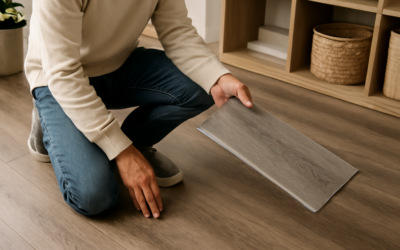
For installation, prefinished solid hardwood is typically nail- or staple-down over a wood subfloor, while engineered floors can be nailed, glued, or floated depending on the product and subfloor. Each method has subfloor and acclimation requirements; following them is what prevents the gaps and cupping that show up in negative reviews. A skilled installer who acclimates the wood and preps the subfloor properly is as important as the floor itself.
Bottom Line
Don’t let a star average make your decision. The most useful approach to Chesapeake flooring reviews is to pick the specific collection you like, pull its spec sheet, then read long-term reviews of that exact product while filtering out shipping complaints and install errors. Pair a well-specced floor with a competent installer and proper acclimation, and a mid-market brand like Chesapeake can deliver a floor that performs well above its price.
Solid vs. Engineered vs. Bamboo: Which to Choose
Because the brand spans several construction types, your first decision is which one fits your situation — and this choice affects performance more than the brand name does. Each has clear strengths and clear limits.
- Solid hardwood: Real wood through and through, refinishable multiple times, best for above-grade rooms with stable humidity. Most sensitive to moisture and humidity swings.
- Engineered hardwood: A real-wood veneer over a stable plywood core. More dimensionally stable, works over concrete and in basements, but refinishing depends on veneer thickness.
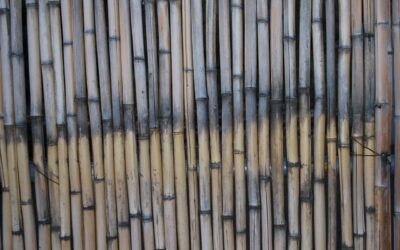
- Bamboo: A renewable grass-based product. Strand-woven bamboo is very hard and durable; horizontal and vertical bamboo are softer. Hardness varies widely by manufacturing method.
If you want a floor you can refinish for decades and your rooms are above grade with controlled humidity, solid hardwood makes sense. For basements, concrete, or homes with bigger humidity swings, engineered is the safer bet. Bamboo appeals to eco-minded buyers, but verify it’s strand-woven if durability is a priority. Matching construction to your home prevents most of the problems that end up in negative reviews.
Prefer to explore on your own?
See how new flooring looks in your actual room in seconds — free, no signup.
Try the free Floor Studio →