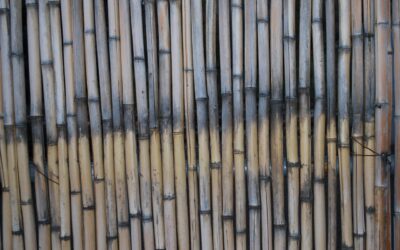
Bamboo gets sold as a miracle floor — eco-friendly, harder than oak, and cheaper too — but the real-world experience depends heavily on which type you buy. Bamboo flooring reviews swing from glowing to frustrated, and the difference usually comes down to construction quality, the specific bamboo type, and how moisture and VOCs were handled. Rather than relying on scattered opinions, this guide gives you a framework to evaluate bamboo honestly, so you can judge any product on facts instead of marketing.
How to Read Bamboo Reviews Critically
Online reviews are useful only when you understand what drives the rating. A one-star review complaining about scratches might be a cheap horizontal bamboo, while a five-star review praising durability might be premium strand-woven — two very different products under the same word “bamboo.” Always look for the construction type, brand, and conditions (humidity, pets, traffic) behind a review.
Weight recent reviews, look across independent sources rather than a retailer’s own page, and watch for patterns of the same complaint. That context turns vague star ratings into actionable insight.
The Three Types of Bamboo (This Decides Everything)
The single biggest factor in bamboo’s performance is how it’s made:
- Strand-woven: Bamboo fibers shredded, compressed with resin under heat and pressure. By far the hardest and most durable type — often rated 3,000+ on the Janka scale. This is the bamboo worth buying.
- Horizontal: Bamboo strips glued flat, showing the classic “knuckle” nodes. Softer (around 1,300-1,400 Janka), more prone to denting.
- Vertical: Strips stood on edge and glued, with a more uniform, lined look. Similar softness to horizontal.
If durability matters — and it usually does — strand-woven is the type that earns the good reviews. Horizontal and vertical look nice but dent more easily.
Hardness and Durability: What Reviews Reveal
Reviews that praise bamboo’s toughness almost always describe strand-woven, which rivals or exceeds the hardest domestic hardwoods. Reviews complaining about scratches and dents usually involve softer horizontal or vertical bamboo, or a thin, low-quality finish.
Even strand-woven bamboo isn’t scratch-proof — claws, grit, and dragged furniture can mark any floor. But for dent resistance and heavy traffic, quality strand-woven bamboo genuinely performs at the top tier, which is why it has earned a loyal following.
The Moisture Question
This is where many disappointed reviews originate. Bamboo is a grass, and like wood it expands, contracts, and can warp or cup with moisture and humidity swings. It is not waterproof. Floors installed in humid basements, over wet slabs, or without humidity control are the ones that gap, cup, or buckle — and generate the harshest reviews.
To get the good outcome: acclimate the planks, control indoor humidity, avoid wet-mopping, and wipe spills promptly. For genuinely wet areas, engineered or waterproof options (including some hybrid bamboo products) or LVP are safer than solid bamboo.
The VOC and Formaldehyde Concern
Because bamboo is bonded with adhesives, formaldehyde and VOC emissions are a legitimate evaluation point, and reviews occasionally mention odor or air-quality worries. The fix is to buy reputable brands that publish low-emission certifications.
- Look for CARB Phase 2 compliance (California’s strict formaldehyde standard).
- Prefer FloorScore or GREENGUARD Gold certified products for low VOCs.
- Be wary of bargain imports with no published emissions data.
Certified products from established manufacturers largely resolve this concern; cheap uncertified ones are where odor complaints cluster.
Honest Pros and Cons
Pros: Strand-woven bamboo is extremely hard and durable; bamboo is a rapidly renewable resource (it regrows in years, not decades); it offers a distinctive, contemporary look; and it’s often more affordable than comparable hardwood, typically $3 to $8 per square foot.
Cons: Quality varies enormously between products; horizontal and vertical types dent easily; it’s sensitive to moisture and humidity; low-end products can off-gas VOCs; color options are more limited than wood; and it can be hard to refinish (many strand-woven floors can be lightly sanded only a limited number of times).
How to Buy Good Bamboo
Use this checklist to separate the well-reviewed floors from the regret-inducing ones:
- Choose strand-woven for hardness unless budget forces otherwise.
- Confirm the Janka rating and warranty in writing.
- Demand CARB Phase 2 plus FloorScore or GREENGUARD certification.
- Buy from an established brand with verifiable independent reviews.
- Match the format (solid vs. engineered) to your moisture conditions.
- Order a sample and check color and finish in your own light.
The Bottom Line
Bamboo flooring reviews are all over the map because “bamboo” covers wildly different products. Buy certified strand-woven bamboo from a reputable brand, control moisture and humidity, and you’ll likely join the satisfied reviewers who praise its toughness and value. Buy a cheap, uncertified, soft horizontal product for a humid room, and you’ll write one of the bad reviews. Evaluate the type, certifications, and conditions — not the star average — and you’ll choose well.
Prefer to explore on your own?
See how new flooring looks in your actual room in seconds — free, no signup.
Try the free Floor Studio →