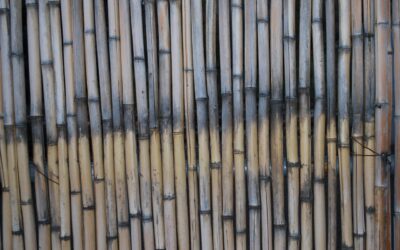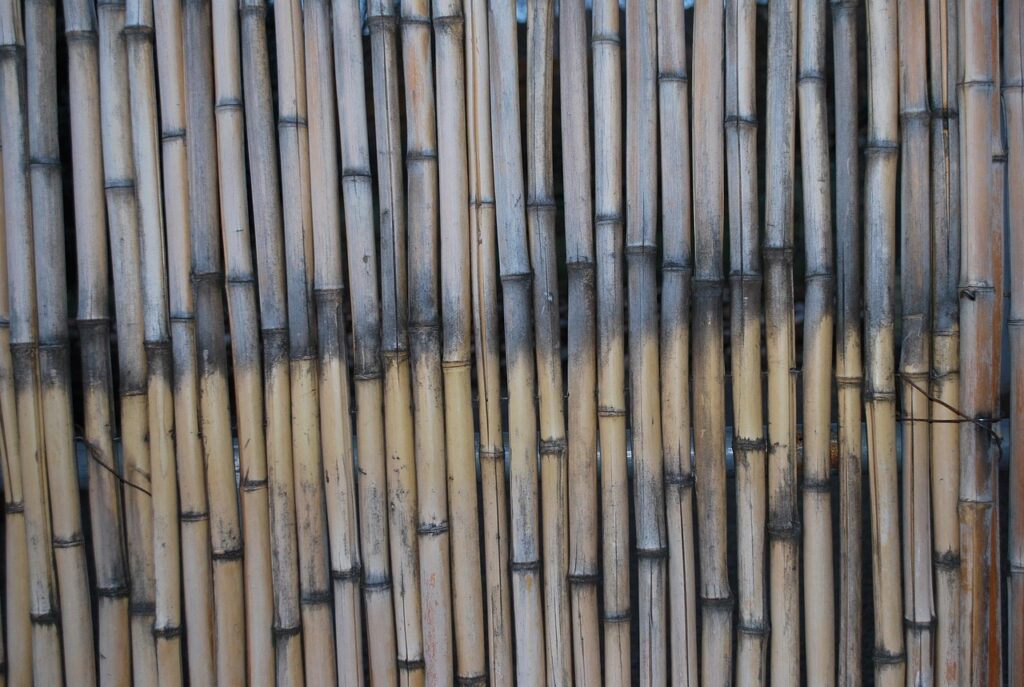
Bamboo has earned a reputation as the eco-friendly hardwood alternative, but the market is full of cheap imports that scratch, dent, and off-gas, giving the whole category a mixed name. The trick is knowing what separates quality real bamboo flooring from the bargain-bin stuff that disappoints. Genuine, well-made bamboo can be harder than oak, last for decades, and bring a clean modern look to a room. This guide explains the types, how to judge quality, real costs, and whether bamboo is right for your home.
- What Real Bamboo Flooring Is
- The Three Main Types
- The Pros of Bamboo Flooring
- The Cons to Weigh
- What Real Bamboo Costs
- How to Spot Quality Bamboo
- Installation Methods
- Where Bamboo Works Best
- Maintenance and Longevity
- Bamboo vs. Hardwood: The Honest Comparison
- Color Options and Finishes
- The Bottom Line
What Real Bamboo Flooring Is
Bamboo is technically a grass, not a tree, and it matures in three to five years versus the decades hardwoods need, which is the root of its sustainability appeal. To make flooring, manufacturers slice or shred bamboo stalks, then compress and bond them into planks. The construction method dramatically affects performance, so the type matters more than the species.
Watch out for products labeled “bamboo” that are actually laminate or vinyl with a printed bamboo image. Real bamboo flooring is solid bamboo or engineered bamboo with a genuine bamboo wear surface, not a photograph.
The Three Main Types
Understanding the three constructions is the single most useful thing a buyer can learn.
Strand-Woven Bamboo
This is the toughest type by far. Bamboo fibers are shredded, mixed with resin, and compressed under intense heat and pressure into incredibly dense planks. Strand-woven bamboo posts a Janka hardness rating around 3,000 to 5,000, far above red oak’s 1,290, making it one of the hardest flooring surfaces you can buy. If durability matters, this is the type to choose.
Horizontal and Vertical Bamboo
These are made by gluing thin bamboo strips side by side (horizontal, showing the classic knuckle pattern) or on edge (vertical, a more uniform grain). Both are attractive but softer than strand-woven, with Janka ratings closer to 1,300 to 1,800, comparable to oak. They dent more easily than strand-woven.
The Pros of Bamboo Flooring
- Sustainability: bamboo regrows in a few years, making it a renewable resource
- Hardness: strand-woven bamboo rivals or exceeds the hardest hardwoods
- Appearance: a clean, contemporary grain available in natural blonde, caramelized amber, and stained tones
- Value: often cheaper than comparable hardwood
- Refinishing: solid bamboo can usually be sanded and refinished one or two times
The Cons to Weigh
- Moisture sensitivity: bamboo can warp, swell, or cup with excess humidity or standing water
- Scratching: the surface shows scratches, and softer horizontal types dent
- Quality variation: cheap bamboo can be poorly made, with weak adhesives and inconsistent hardness
- VOC concerns: low-grade products may off-gas formaldehyde from the resins; look for certified low-emission flooring
- Limited refinishing: thin wear layers on engineered bamboo can’t be refinished
Color also fades under direct sunlight, and darker caramelized bamboo is actually a bit softer because the heat treatment that darkens it slightly weakens the fibers.
What Real Bamboo Costs
Bamboo spans a wide price range depending on type and quality. Expect these material costs before installation:
- Horizontal/vertical bamboo: $2 to $5 per square foot
- Strand-woven bamboo: $3 to $7 per square foot
- Premium strand-woven with quality finish: $5 to $9 per square foot
Professional installation adds $3 to $6 per square foot. A finished bamboo floor typically lands at $6 to $12 per square foot. The cheapest products usually cut corners on hardness, adhesive quality, and emissions, so the savings rarely pay off.
How to Spot Quality Bamboo
A few checks separate good bamboo from the bad before you commit.
- Choose strand-woven for durability and confirm the Janka rating, ideally 3,000 or higher
- Look for low-VOC or formaldehyde-free certifications such as CARB Phase 2 or FloorScore
- Check the warranty; quality bamboo carries 25-year or lifetime structural warranties
- Ask about the wear layer thickness if buying engineered bamboo
- Request a sample and try to scratch and dent it with a key and your fingernail
Installation Methods
Bamboo installs much like hardwood. Solid bamboo is typically nailed or glued down over a wood subfloor, while engineered and click-lock bamboo can float over an underlayment, which is the most DIY-friendly option. Whatever the method, acclimate the planks in the room for 72 hours and leave an expansion gap at the walls, since bamboo expands and contracts with humidity. Concrete subfloors need a moisture barrier underneath.
Where Bamboo Works Best
Bamboo suits living rooms, bedrooms, dining rooms, hallways, and offices, anywhere you’d use hardwood. Strand-woven handles busy households and pets well. Avoid bathrooms, laundry rooms, and below-grade basements where moisture and humidity run high, since bamboo’s moisture sensitivity is its real weakness. In kitchens, it can work with prompt spill cleanup and rugs at the sink.
Maintenance and Longevity
Care for bamboo as you would hardwood. Sweep or vacuum to remove grit, wipe spills immediately, use a barely damp mop with a bamboo-safe cleaner, and protect it with felt furniture pads and entry mats. Keep indoor humidity in a stable range to prevent gapping or cupping. A quality strand-woven floor with good care lasts 25 years or more, and solid versions can be refinished to extend that further.
Bamboo vs. Hardwood: The Honest Comparison
Buyers often weigh bamboo directly against traditional hardwood, so here’s the straight comparison. Strand-woven bamboo is harder than most hardwoods and usually costs less, while offering a more uniform, contemporary grain. Hardwood, however, comes in more species and colors, can be refinished more times, and tends to add more resale value because buyers recognize it. On moisture, both are sensitive, though quality hardwood may edge out cheaper bamboo. If you want maximum hardness and value, strand-woven bamboo wins; if you want classic character and proven resale appeal, hardwood holds the edge.
Color Options and Finishes
Bamboo comes in three main color families. Natural bamboo keeps its pale blonde tone, the lightest and hardest option. Caramelized or carbonized bamboo is heat-treated to a warm amber-brown, which looks rich but is slightly softer because the process weakens the fibers. Stained bamboo can mimic a wide range of hardwood tones, from gray-washed to deep espresso. Finishes range from matte to semi-gloss, with matte and textured surfaces hiding scratches and everyday wear better than high-gloss, an important consideration for busy households and pet owners.
The Bottom Line
Real bamboo flooring earns its place when you choose well. Strand-woven bamboo delivers exceptional hardness, a renewable source, and a clean modern look at a price below comparable hardwood. The pitfalls, moisture sensitivity and wildly variable quality, are avoidable by buying certified, strand-woven product with a strong warranty and keeping it out of wet areas. Buy the good stuff, install it properly, and bamboo rewards you with a durable, distinctive floor for decades.
Prefer to explore on your own?
See how new flooring looks in your actual room in seconds — free, no signup.
Try the free Floor Studio →