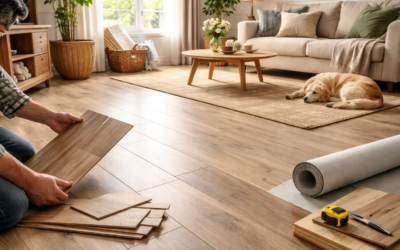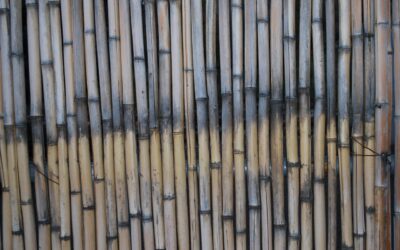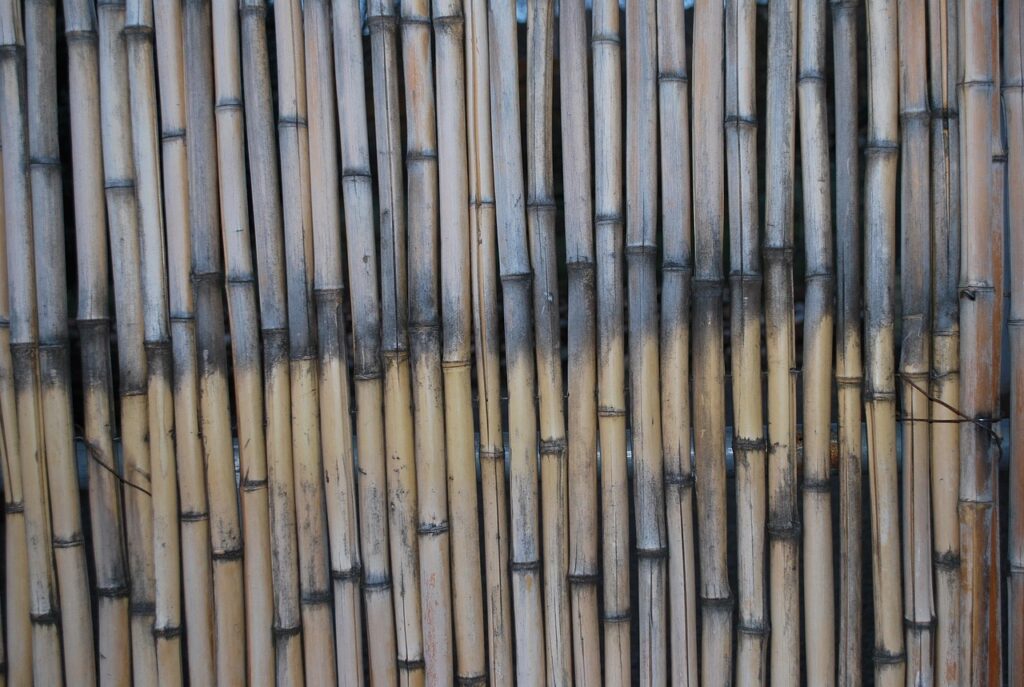
Bamboo has gone from niche eco-product to mainstream flooring, and for good reason. The bamboo flooring benefits that win people over, fast renewability, surprising hardness, modern good looks, and a friendly price, line up with what a lot of homeowners want today. It is not perfect, no floor is, but when you buy quality bamboo and treat it right, the upsides are real. This guide lays out the genuine advantages, where bamboo earns its reputation, and how to make the most of it.
- Sustainability That Actually Holds Up
- Impressive Hardness and Durability
- Modern, Clean Aesthetics
- Affordable Compared to Hardwood
- Easy to Maintain
- Pros of Bamboo Flooring
- Honest Cons to Keep in Mind
- Comfort and Indoor Air Quality
- How It Compares to Other Floors
- How to Maximize the Benefits
- Longevity and Refinishing
- The Bottom Line
Sustainability That Actually Holds Up
This is bamboo’s headline benefit, and it is legitimate. Bamboo is technically a grass that regenerates in roughly 5 to 7 years, compared with the 20 to 60 years hardwood trees need to mature. Harvesting bamboo does not kill the plant, the root system keeps sending up new shoots. For homeowners who want a renewable, rapidly replenished material, bamboo is one of the strongest options on the market.
Impressive Hardness and Durability
Strand-woven bamboo, made by compressing shredded bamboo fibers under intense heat and pressure, is among the hardest flooring surfaces available, often rivaling or exceeding red oak on the Janka hardness scale. That toughness translates to a floor that resists dents and wear in busy households when you choose the strand-woven variety.
Modern, Clean Aesthetics
Bamboo brings a contemporary look that suits current design tastes. It comes in several styles, each with a distinct character.
- Horizontal: Shows the classic bamboo “knuckle” nodes for a recognizable look.
- Vertical: Tighter, more uniform grain with a cleaner, linear appearance.
- Strand-woven: Dense, with a rich grain that reads more like exotic hardwood, plus the most hardness.
- Carbonized: Heat-treated to a warm caramel tone, though slightly softer.
Affordable Compared to Hardwood
Bamboo typically costs less than comparable solid hardwood while delivering a similar premium look. Material commonly runs $3 to $8 per square foot, putting an upscale wood-look floor within reach of more budgets. For homeowners who love the warmth of natural flooring but balk at hardwood prices, bamboo is an appealing middle ground.
Easy to Maintain
Day-to-day care is simple. Sweep or vacuum to keep grit off the surface, and damp-mop with a pH-neutral cleaner. No waxing, no special treatments for routine upkeep. Keep mats at entries to trap dirt, use felt pads under furniture, and you will preserve the finish for years with minimal effort.
Compared with carpet, the upkeep difference is stark. There is no shampooing, no embedded allergens, and no fibers to crush or stain. Spills wipe up in seconds rather than soaking in, and a quick daily sweep keeps the floor looking presentable between deeper cleanings. For busy households that want a polished look without a demanding maintenance routine, that low-effort care is a genuine selling point.
Pros of Bamboo Flooring
- Rapidly renewable and eco-friendly when responsibly sourced.
- Strand-woven options are exceptionally hard and dent-resistant.
- Modern, attractive grain in several styles and tones.
- Generally more affordable than solid hardwood.
- Simple maintenance with no waxing required.
- Some products can be sanded and refinished, extending lifespan.
Honest Cons to Keep in Mind
- Sensitive to humidity swings, can expand, contract, and cup.
- Not waterproof, avoid bathrooms and standing water.
- Quality varies, cheap bamboo dents and wears quickly.
- Some products use formaldehyde adhesives, so buy certified low-VOC.
- Engineered bamboo’s thin veneer limits refinishing.
Comfort and Indoor Air Quality
Beyond looks and toughness, bamboo offers practical living benefits. It feels warmer underfoot than tile or stone and works well over radiant heating systems when you use a compatible product. Because it is a hard, smooth surface, it does not trap dust, pet dander, and allergens the way carpet does, a real plus for households with allergies or asthma. When you buy a certified low-VOC, formaldehyde-free product, you also keep indoor air cleaner than some bargain composite floors allow.
How It Compares to Other Floors
Bamboo carves out a useful niche between traditional materials. Against solid hardwood, it delivers a similar natural-wood warmth and the option to refinish certain products, usually at a lower price and with a far faster-renewing source. Against laminate, strand-woven bamboo is real plant material rather than a printed image, and it can often be sanded rather than simply replaced.
- vs. hardwood: More renewable and often cheaper, with comparable looks.
- vs. laminate: Genuine material that some products can refinish.
- vs. vinyl: A natural, eco-friendly surface rather than synthetic, though less waterproof.
The right comparison depends on your priorities, but for buyers who specifically want a sustainable, natural floor with hardwood character, bamboo is tough to beat on value.
How to Maximize the Benefits
To get bamboo’s advantages without the pitfalls, buy smart. Choose strand-woven from a reputable manufacturer for maximum hardness, and insist on low-VOC, formaldehyde-free certification such as FloorScore or CARB Phase 2. Acclimate the planks in your home for at least 72 hours before installing, control indoor humidity between 35 and 55 percent, and keep it out of wet rooms. Those simple steps unlock the durability and longevity bamboo is capable of.
Longevity and Refinishing
One underrated benefit is staying power. A quality bamboo floor that is properly installed and cared for can last 20 to 25 years or more, putting it in the same conversation as traditional hardwood. Solid and thicker bamboo products can often be sanded and refinished at least once, letting you erase years of scratches and even change the stain color rather than replacing the entire floor.
That refinishing potential changes the long-term math. Where laminate and most vinyl must be torn out once the surface wears through, a refinishable bamboo floor gets a second life for the cost of sanding and recoating. Just confirm before buying whether your specific product, especially engineered bamboo with a thin top layer, can be refinished, since that capability varies by construction and directly affects the floor’s true lifespan and value.
The Bottom Line
The real bamboo flooring benefits, genuine sustainability, strand-woven hardness, modern looks, affordability, and easy care, make it a smart choice for many homes. The key is buying a certified, quality strand-woven product and respecting bamboo’s sensitivity to moisture and humidity. Do that, and you get a renewable, good-looking, hard-wearing floor that delivers the warmth of natural wood without the higher price of traditional hardwood.
Prefer to explore on your own?
See how new flooring looks in your actual room in seconds — free, no signup.
Try the free Floor Studio →