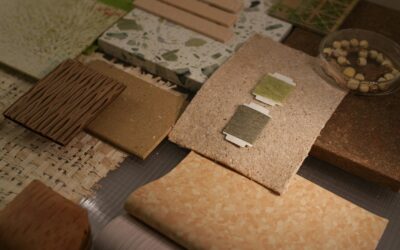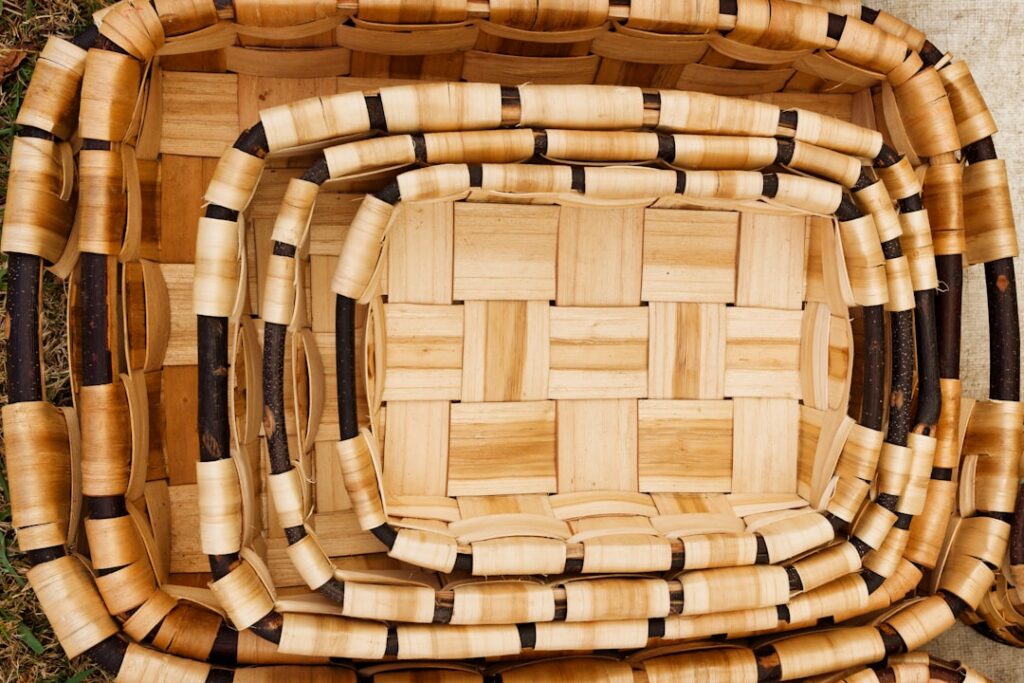
Natural flooring is exactly what it sounds like: floor coverings made from materials sourced directly from nature with minimal synthetic processing. As homeowners become more environmentally conscious and health-aware, demand for natural flooring options has grown steadily. From solid hardwood and bamboo to cork, sisal, and natural linoleum, these materials offer a combination of beauty, sustainability, and indoor air quality that synthetic alternatives struggle to match.
This guide walks you through every major natural flooring type, covering the benefits, drawbacks, best applications, and realistic pricing for each option.
Why Choose Natural Flooring?
Before diving into specific materials, it helps to understand the broader advantages that natural flooring offers over synthetic options like vinyl, laminate, and nylon carpet.
Environmental Benefits
Natural flooring materials are renewable, biodegradable, or both. They typically require less energy to manufacture than synthetic products and do not release harmful petrochemicals at the end of their lifespan. Many natural flooring options also support sustainable harvesting practices and carry certifications such as FSC (Forest Stewardship Council) or FloorScore.
Indoor Air Quality
Synthetic flooring can off-gas volatile organic compounds (VOCs) for weeks or months after installation. Natural materials like solid wood, cork, and linoleum produce little to no VOC emissions, making them excellent choices for households with allergies, asthma, or chemical sensitivities.
Timeless Aesthetics
Natural materials carry an inherent warmth and authenticity that manufactured products can only imitate. The unique grain patterns in wood, the organic texture of sisal, and the earthy tones of natural stone create a character and depth that resonates with homeowners seeking genuine design quality.
Solid Hardwood Flooring
Hardwood flooring is the most established and universally valued natural flooring option. Milled from a single piece of timber, solid hardwood offers unmatched beauty, longevity, and resale value.
Key Features
- Species options: Oak, maple, walnut, hickory, ash, cherry, and exotic species like Brazilian cherry and acacia
- Lifespan: 50 to 100+ years with proper care and refinishing
- Refinishing: Can be sanded and refinished 3 to 7 times depending on thickness
- Best rooms: Living rooms, bedrooms, dining rooms, hallways
- Price range: $5 to $15 per square foot (materials), $8 to $20 installed
Considerations
Solid hardwood is sensitive to moisture and humidity, making it unsuitable for basements, bathrooms, and areas prone to standing water. It also requires professional installation in most cases and represents a significant upfront investment.
Bamboo Flooring
Bamboo is technically a grass, not a wood, but it functions as a hardwood flooring alternative. It grows to harvestable maturity in just 3 to 5 years compared to 20 to 60 years for hardwood trees, making it one of the most rapidly renewable flooring materials available.
Key Features
- Types: Horizontal, vertical, and strand-woven (strand-woven is the hardest)
- Hardness: Strand-woven bamboo can exceed 3,000 on the Janka scale, harder than most hardwoods
- Sustainability: Rapid growth cycle and self-regenerating root system
- Best rooms: Living areas, kitchens, bedrooms
- Price range: $3 to $9 per square foot (materials)
Considerations
Not all bamboo flooring is equally eco-friendly. Some products use formaldehyde-based adhesives, and the environmental cost of shipping from Asia should be factored in. Look for bamboo certified by FSC or carrying a FloorScore rating for low VOC emissions.
Cork Flooring
Cork is harvested from the bark of cork oak trees without cutting down the tree itself. The bark regenerates every 9 to 12 years, making cork an exceptionally sustainable flooring material.
Key Features
- Comfort: Natural cushion and warmth underfoot, excellent for standing areas
- Sound absorption: Superior acoustic properties, reduces noise transmission between floors
- Hypoallergenic: Naturally antimicrobial and resistant to mold, mildew, and pests
- Best rooms: Kitchens, playrooms, home offices, bedrooms
- Price range: $3 to $8 per square foot (materials)
Considerations
Cork is softer than hardwood and can dent under heavy furniture. It fades in direct sunlight and requires periodic resealing to maintain its moisture resistance. It is not recommended for bathrooms or areas with heavy water exposure.
Natural Linoleum
Often confused with vinyl, natural linoleum is a completely different product. It is made from linseed oil, pine rosin, wood flour, cork dust, limestone, and jute backing. Invented in the 1860s, linoleum has experienced a resurgence as homeowners rediscover its eco-friendly credentials.
Key Features
- Composition: 100% natural and biodegradable ingredients
- Durability: 25 to 40 year lifespan with proper maintenance
- Color options: Wide range of colors that go through the full thickness (not just surface-printed)
- Antibacterial: Linseed oil naturally inhibits bacterial growth
- Best rooms: Kitchens, bathrooms, mudrooms, commercial spaces
- Price range: $4 to $8 per square foot (materials)
Considerations
Natural linoleum requires professional installation for sheet goods and needs periodic waxing to maintain its appearance. It can be slippery when wet and has a distinctive smell (from linseed oil) that dissipates over time.
Natural Stone Flooring
Natural stone flooring encompasses marble, granite, slate, travertine, limestone, and sandstone. These are among the most durable and prestigious natural flooring materials, with a lifespan measured in decades or even centuries.
Key Features
- Longevity: 50 to 100+ years, often lasting the lifetime of the building
- Unique appearance: Every piece is one of a kind with natural color variations
- Resale value: Premium material that consistently adds home value
- Best rooms: Entryways, kitchens, bathrooms, outdoor areas (slate and granite)
- Price range: $5 to $30+ per square foot depending on stone type
Considerations
Natural stone is cold and hard underfoot, requires sealing to prevent staining, and involves professional installation with specialized tools. It is one of the heaviest flooring options, which may require structural assessment for upper floors.
Sisal Flooring
Sisal is a plant fiber extracted from the leaves of the Agave sisalana plant. It produces a strong, durable natural fiber floor covering with a distinctive woven texture.
Key Features
- Durability: One of the strongest natural fibers, resistant to heavy foot traffic
- Texture: Coarse, nubby texture that adds visual and tactile interest
- Static-free: Does not generate static electricity
- Sound absorption: Good acoustic dampening properties
- Best rooms: Living rooms, bedrooms, stairs, hallways
- Price range: $5 to $15 per square foot installed
Considerations
Sisal stains easily and is difficult to clean, making it unsuitable for dining areas and kitchens. It absorbs moisture and can develop mold in humid environments. The coarse texture may be uncomfortable for bare feet.
Jute Flooring
Jute is a soft, golden-colored plant fiber that creates a plush, casual floor covering. It is one of the most affordable natural fiber options but also one of the least durable.
Key Features
- Softness: The softest of the natural fiber flooring options, comfortable underfoot
- Appearance: Warm, golden tone with a casual, relaxed aesthetic
- Biodegradable: Fully compostable at end of life
- Best rooms: Bedrooms, guest rooms, low-traffic living areas
- Price range: $3 to $10 per square foot installed
Considerations
Jute is the least durable natural fiber option and is not suitable for high-traffic areas. It stains and absorbs moisture readily, and the fibers can break down over time in areas with heavy use.
Seagrass Flooring
Seagrass is harvested from underwater meadows in coastal areas of China and Southeast Asia. The natural wax coating on the fibers gives seagrass inherent stain resistance that other natural fibers lack.
Key Features
- Stain resistance: Natural waxy coating repels most spills
- Smooth texture: Smoother than sisal, more comfortable underfoot
- Low maintenance: Easiest natural fiber to clean and maintain
- Best rooms: Living rooms, bedrooms, sunrooms, coastal-themed spaces
- Price range: $4 to $12 per square foot installed
Considerations
Seagrass cannot be dyed, so color options are limited to natural green-brown tones. It can be slippery on stairs and may develop an uneven patina over time as different areas receive different amounts of light and wear.
Comparing Natural Flooring Materials
| Material | Durability | Moisture Resistance | Eco Rating | Cost Range |
|---|---|---|---|---|
| Solid Hardwood | High | Low | Good | $5 – $15/sq ft |
| Bamboo | High | Moderate | Excellent | $3 – $9/sq ft |
| Cork | Moderate | Moderate | Excellent | $3 – $8/sq ft |
| Linoleum | High | Good | Excellent | $4 – $8/sq ft |
| Natural Stone | Very High | Varies | Good | $5 – $30/sq ft |
| Sisal | High | Low | Excellent | $5 – $15/sq ft |
| Jute | Low | Low | Excellent | $3 – $10/sq ft |
| Seagrass | Moderate | Moderate | Excellent | $4 – $12/sq ft |
How to Choose the Right Natural Flooring
Selecting the best natural flooring depends on several factors specific to your situation:
Consider Your Room
Moisture-prone areas like bathrooms and kitchens limit your options to stone, linoleum, or sealed cork. High-traffic areas demand durable materials like hardwood, strand-woven bamboo, or stone. Bedrooms and low-traffic spaces open up softer options like jute and cork.
Budget
Natural flooring spans a wide price range. Cork, bamboo, and jute offer entry-level pricing, while hardwood and natural stone sit at the premium end. Factor in installation costs, which vary significantly by material.
Lifestyle
Households with children and pets should lean toward harder, more stain-resistant options. Strand-woven bamboo, sealed hardwood, and natural linoleum handle family life well. Sisal and jute are better suited to quieter, adult-only spaces.
Climate
Humid climates can cause problems for moisture-sensitive materials like hardwood, jute, and sisal. In these environments, stone, linoleum, and sealed cork perform more reliably.
Installation and Maintenance Tips
Each natural flooring type has unique installation and care requirements, but some general principles apply across the board:
- Acclimation: Allow wood-based and plant fiber materials to acclimate to your home’s humidity for 48 to 72 hours before installation.
- Professional installation: Stone, linoleum sheet, and hardwood generally require professional installation. Cork tiles and bamboo click-lock can be DIY-friendly.
- Sealing: Most natural flooring benefits from a protective finish or sealant. Reapply as recommended by the manufacturer.
- Cleaning: Avoid excess water on all natural flooring. Use damp mopping rather than wet mopping, and choose pH-neutral cleaners designed for your specific floor type.
- Protection: Use furniture pads, area rugs in high-traffic zones, and doormats to extend the life of any natural floor.
Final Thoughts
Natural flooring offers a genuinely sustainable, healthy, and beautiful alternative to synthetic floor coverings. Whether you choose the classic elegance of hardwood, the eco-conscious appeal of bamboo and cork, the rugged durability of stone, or the organic texture of sisal and seagrass, you are investing in a floor that is kinder to the environment and healthier for your home.
Take time to evaluate the specific demands of your space, lifestyle, and budget. The right natural flooring choice will serve you well for years or even decades while reducing your home’s environmental footprint.
Prefer to explore on your own?
See how new flooring looks in your actual room in seconds — free, no signup.
Try the free Floor Studio →