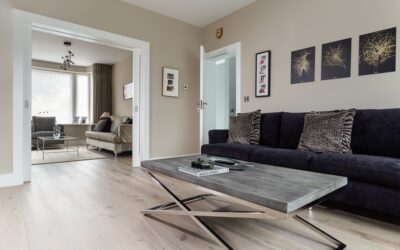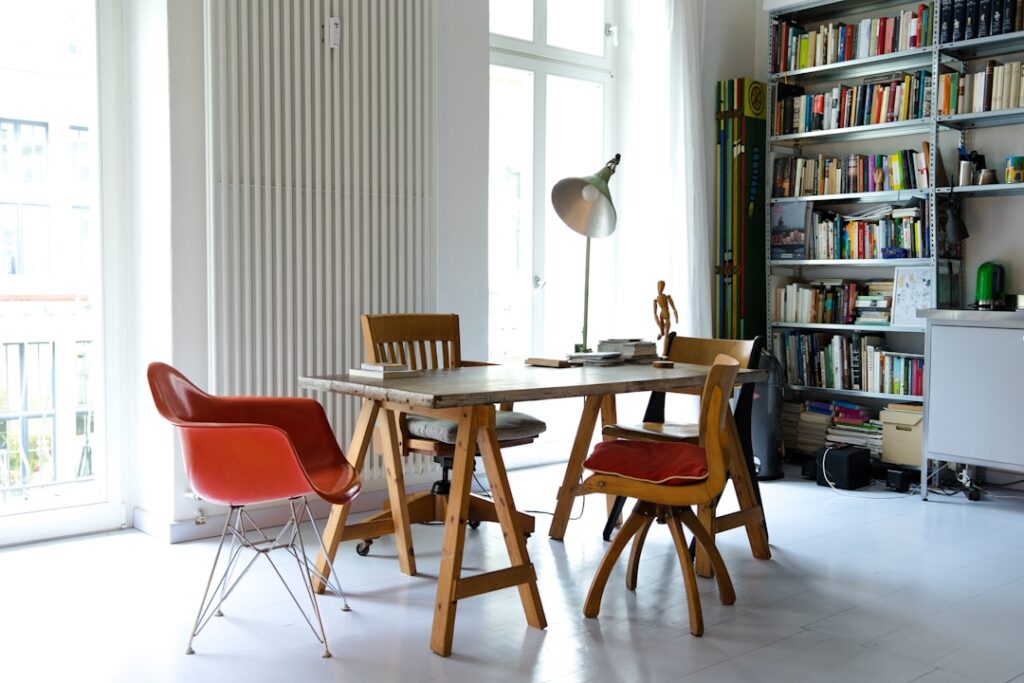
Walk any modern flooring showroom and roughly 70 percent of what you see started life in a chemical plant rather than a forest or quarry. Synthetic flooring is the umbrella term for man-made floor materials — luxury vinyl plank, laminate, sheet vinyl, rubber, polyurethane-coated engineered wood, and resin-based systems — and it has quietly taken over residential and commercial installs because of cost, water resistance, and design flexibility. This guide explains what qualifies, where each synthetic shines, and what tradeoffs you accept when you skip natural materials.
What Counts as Synthetic
Any floor built from polymers, resins, or bonded wood fiber with a printed or coated surface falls under synthetic. The main categories include:
- Luxury vinyl plank (LVP) and tile (LVT) — PVC layers with photo film and urethane wear layer.
- Rigid-core SPC and WPC — vinyl with stone or wood-composite core for stability.
- Sheet vinyl — continuous roll PVC, often fiberglass-backed.
- Laminate — HDF core with melamine photo layer and aluminum oxide topcoat.
- Rubber tile and sheet — recycled or virgin EPDM, SBR, or nitrile.
- Epoxy and polyurethane coatings — liquid-applied synthetic resin floors.
- Engineered wood with synthetic backing and UV-cured finish — borderline case that leans synthetic in wear surface.
Why Synthetic Dominates New Installs
Three forces drove the shift. Print and emboss technology reached the point where a good LVP visual is indistinguishable from hardwood at three feet away. Waterproofing improved — SPC and WPC cores do not swell like laminate’s HDF. And prices stayed flat or dropped while natural materials (oak, maple, porcelain, stone) kept climbing with labor and logistics costs.
A mid-grade LVP install today costs about $4 to $7 per sq ft all-in. Comparable engineered oak runs $9 to $14, and porcelain tile runs $10 to $18. The synthetic option typically wins on payback even before you factor in DIY-ability.
Pros of Synthetic Flooring
- Waterproof or water-resistant options for every wet room.
- Lower material and install cost across every tier.
- DIY-friendly click-lock systems — a handy homeowner can finish a room in a day.
- Pet-friendly scratch and stain resistance on modern urethane wear layers.
- Vast design library — any wood species, stone, terrazzo, or encaustic pattern is available.
- Consistent sizing and thickness, so no sorting piles of mismatched stock.
- Warmer and quieter underfoot than tile or stone.
Cons and Environmental Concerns
The main knock on synthetic flooring is environmental. PVC-based vinyl is difficult to recycle at end of life, and off-gassing from poorly regulated imports can exceed indoor air-quality thresholds. Look for FloorScore, Greenguard Gold, or RedList Free certification to avoid high-VOC product.
- Lower resale value than real hardwood or stone in premium homes.
- Fading under direct UV on darker colors within 3 to 5 years.
- Heat sensitivity — LVP can soften and telegraph subfloor imperfections in direct sun.
- Limited refinish options — you cannot sand and re-stain synthetic wear layers.
- Dent resistance varies wildly between brands and cores.
Best Synthetic by Room
Kitchen and laundry: rigid-core SPC with 22 to 30 mil wear layer. Bathrooms: sheet vinyl or glue-down LVT with sealed seams. Basements: SPC click-lock over foam-backed underlayment with vapor barrier. Living rooms and bedrooms: 12 mm AC4 laminate or WPC vinyl for the softer, warmer feel. Garages and workshops: epoxy or polyurethane-coated concrete, or interlocking rubber tile. Commercial kitchens: urethane seamless resin with cove base.
Each of these pairings matches the synthetic’s strengths to the room’s stress. Mismatches — such as laminate in a full bath or rubber in a formal living room — are where homeowners regret the choice later.
Cost Ranges by Type
- Sheet vinyl — $1 to $3 per sq ft material.
- Entry LVP (6 mm, 12 mil) — $1.50 to $2.50 per sq ft.
- Mid-grade SPC (6-7 mm, 20 mil) — $3 to $5 per sq ft.
- Premium LVP (8 mm, 28-30 mil, EIR) — $5 to $9 per sq ft.
- AC3 laminate — $0.99 to $1.49 per sq ft.
- AC4-AC5 premium laminate — $2 to $4 per sq ft.
- Rubber tile — $4 to $10 per sq ft.
- Epoxy coating systems — $3 to $12 per sq ft depending on layers.
Install Considerations
Subfloor flatness is critical for synthetic floors. Most manufacturers specify 1/8 inch deviation over 6 feet for click-lock products and 1/16 inch for glue-down LVT. Self-leveler at $2 to $4 per sq ft is the fix when your slab misses spec. Moisture testing matters on concrete — run a calcium chloride test and keep readings under 3 lbs per 1,000 sq ft.
For click-lock products, stagger joints by at least 8 inches, maintain 1/4 inch perimeter expansion gap, and do not run a single run longer than 40 feet without an expansion T-molding.
Long-Term Care and Replacement
Most synthetic floors deliver 15 to 25 years of residential service with basic care. Sweep or vacuum (no beater bar) weekly, damp-mop with pH-neutral cleaner monthly, and swap any damaged planks before moisture works into the joints. Keep felt pads under furniture and area rugs in direct-sun zones to prevent differential fading.
At end of life, synthetic flooring can usually be pulled up in a day and recycled or landfilled as construction waste. That is faster and cheaper than sanding and refinishing hardwood, which is part of the appeal. If environmental impact matters most to you, pair any synthetic install with a take-back program like Armstrong’s Recycle Program or Shaw’s re[TURN] to avoid sending PVC to a landfill.
Prefer to explore on your own?
See how new flooring looks in your actual room in seconds — free, no signup.
Try the free Floor Studio →