Bamboo gets marketed as a tough, eco-friendly alternative to hardwood, but the durability varies enormously depending on how it is made. So how durable is bamboo flooring really? The answer hinges on the manufacturing type: strand-woven bamboo can outrank oak on the hardness scale, while cheap horizontal bamboo dents easily. This guide breaks down the durability facts, the pros and cons, and what to look for so you buy a floor that lasts decades rather than disappoints in a few years.
The Three Types of Bamboo Flooring
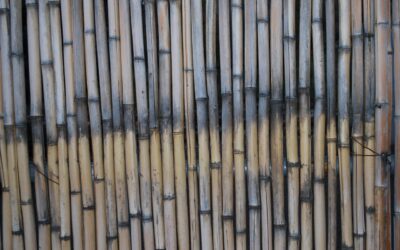
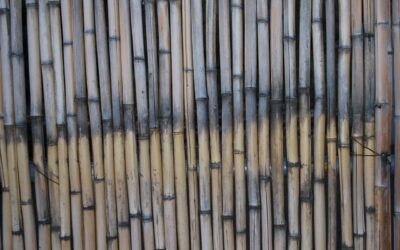
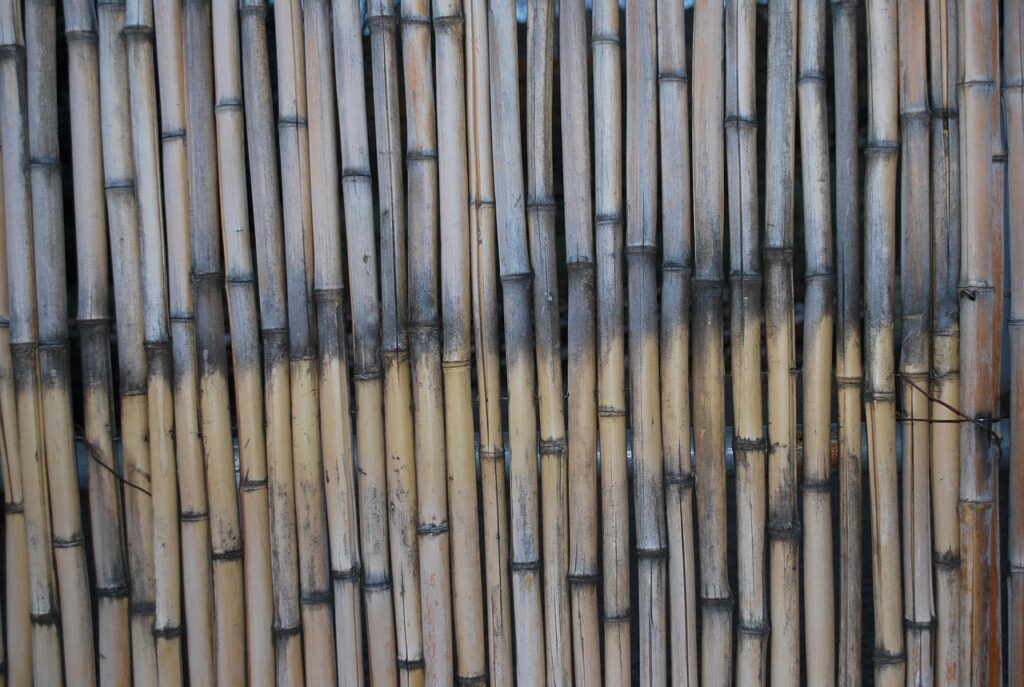
Durability starts with construction, and there are three distinct types. Horizontal and vertical bamboo are made by gluing thin strips of bamboo together, either flat (horizontal) or on edge (vertical). These look like traditional bamboo with visible nodes but are softer and more prone to denting.
Strand-woven bamboo is the game-changer. It is made by shredding bamboo fibers, mixing them with resin, and compressing them under extreme heat and pressure. This process produces a floor two to three times harder than standard bamboo, and harder than most hardwoods. If durability is your priority, strand-woven is the only type worth considering.
Hardness: How Bamboo Measures Up
The Janka hardness test measures a floor’s resistance to denting, and the numbers tell the real story:
- Horizontal/vertical bamboo: Roughly 1,300 to 1,400 Janka, similar to red oak (about 1,290).
- Strand-woven bamboo: Often 3,000 to 5,000-plus Janka, far harder than oak, maple, or even hickory.
- For comparison, red oak: 1,290 Janka, the benchmark most hardwoods are measured against.
Those strand-woven numbers explain why it resists dents from furniture, heels, and dropped objects so well. Just remember that a high Janka rating measures dent resistance, not scratch resistance, two different things that buyers often conflate.
Scratch and Water Resistance Realities
Even hard strand-woven bamboo can show surface scratches because the protective finish, not the bamboo itself, takes the abuse. A quality aluminum-oxide finish resists scratching well, but pet claws, grit, and dragged furniture will eventually mar any wood-based floor. Felt pads under furniture and a no-shoes policy go a long way.
Water is bamboo’s real weakness. Like hardwood, bamboo is a natural material that swells, warps, and stains when exposed to standing water or chronic humidity. It is not waterproof. Bamboo can handle a quickly wiped spill, but it does not belong in full bathrooms or below-grade basements. For wet areas, waterproof LVP or tile is the better call.
Expected Lifespan
With proper care, quality bamboo flooring lasts 20 to 25 years, and high-end strand-woven floors can go longer. Many solid bamboo floors can be sanded and refinished once or twice over their life, restoring the surface much like hardwood, though thin-veneer engineered bamboo cannot be refinished.
Lifespan depends heavily on quality. Cheap imported bamboo with thin finishes and weak adhesives may show wear in five to ten years, while a reputable strand-woven product installed correctly stays beautiful for two decades or more. You truly get what you pay for in this category.
Pros and Cons of Bamboo Flooring
Weigh the full picture before committing:
- Pro: Strand-woven bamboo is exceptionally hard and dent-resistant.
- Pro: Rapidly renewable, bamboo matures in 5 to 7 years versus decades for hardwood trees.
- Pro: Often cheaper than comparable hardwood at $3 to $8 per sq ft.
- Pro: Many solid options can be refinished.
- Con: Poor water and humidity resistance, not for wet rooms.
- Con: Quality varies wildly; cheap bamboo dents and wears fast.
- Con: Some products off-gas VOCs from adhesives, look for low-VOC, FloorScore-certified options.
What to Look for When Buying
To get a durable bamboo floor, prioritize strand-woven construction and ask for the Janka rating, anything above 3,000 indicates a genuinely tough product. Confirm the finish is a multi-coat aluminum-oxide or similar wear-rated coating, and check the warranty length, which signals the maker’s confidence.
Buy from a reputable manufacturer and request FloorScore or GreenGuard certification to ensure low VOC emissions and verify the moisture content is properly controlled. Material costs run $3 to $8 per square foot, with strand-woven at the higher end, plus $3 to $5 for installation. Choose quality strand-woven bamboo, keep it dry, and protect the finish, and you will have a floor that rivals hardwood for durability at a competitive price.
How to Keep Bamboo Floors Durable Over Time
Durability is not just about the product, it is also about how you treat it. Day-to-day care goes a long way: sweep or vacuum regularly so grit does not act like sandpaper underfoot, wipe spills immediately, and never wet-mop. A barely damp microfiber and a cleaner formulated for bamboo or hardwood is all you need. Standing water is the fastest way to ruin even a tough strand-woven floor.
Protect the finish with felt pads under furniture legs, area rugs in high-traffic paths, and walk-off mats at doorways. Trim pet nails and keep a no-shoes policy if you want to preserve that factory-fresh look. Use blinds or UV-filtering window film in sun-drenched rooms, since prolonged direct sunlight can fade bamboo over the years. These small habits add years to the floor’s attractive lifespan.
Is Bamboo the Right Choice for You?
Bamboo makes the most sense for homeowners who want a hard, eco-conscious floor at a competitive price and can keep it out of wet areas. Strand-woven bamboo in a living room, bedroom, hallway, or home office delivers excellent dent resistance and a distinctive look that sets it apart from ubiquitous oak.
If your priority is a bathroom, basement, or any space prone to moisture, skip bamboo in favor of waterproof LVP or tile. And if you are tempted by a bargain-bin bamboo product, remember that cheap bamboo is where the durability myth falls apart, thin finishes and weak adhesives wear out fast. Spend on quality strand-woven flooring, keep it dry, and bamboo will reward you with two decades or more of tough, good-looking performance.
Weigh bamboo against its closest rivals before deciding. Compared to oak hardwood, strand-woven bamboo is often harder and a bit cheaper, though some buyers prefer the familiar look of traditional wood grain. Compared to engineered wood and LVP, bamboo wins on hardness and renewability but loses on moisture tolerance. There is no single best floor, only the best fit for your room, climate, and budget. For dry, high-traffic living spaces where you want exceptional dent resistance and an eco-friendly story, quality strand-woven bamboo is a genuinely durable and competitive choice.
Prefer to explore on your own?
See how new flooring looks in your actual room in seconds — free, no signup.
Try the free Floor Studio →