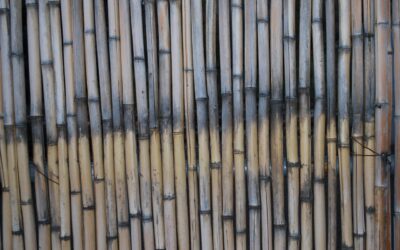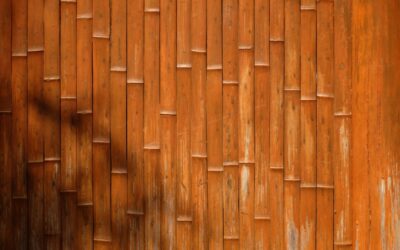
Most people picture long planks when they think of bamboo, but it also comes in square tiles and parquet patterns that bring a distinctive geometric warmth to a room. Bamboo tile flooring takes the rapid-renewable appeal and surprising hardness of bamboo and packages it in tile or block format, often arranged in basketweave, parquet, or herringbone layouts. This guide explains how bamboo tile is made, how durable it really is, what it costs, and where it makes sense to install.
Part of our Tile & Grout guide — explore the full guide →
What Bamboo Tile Flooring Actually Is
Bamboo tile is bamboo flooring cut and assembled into square tiles or parquet blocks rather than long planks. The bamboo stalks are sliced, dried, and pressed into solid pieces, then arranged in patterns — classic basketweave and parquet being the most common. The result is a floor with the eco-credentials of bamboo and the visual rhythm of traditional parquet woodwork.
It’s worth distinguishing bamboo tile from ceramic or porcelain “bamboo-look” tile. True bamboo tile is real plant material, warm underfoot and refinishable in some cases, whereas a porcelain look-alike is fired clay printed to resemble bamboo grain. This guide covers genuine bamboo product.
Construction Types and Hardness
How the bamboo is processed determines how hard and stable the tile is:
- Horizontal: Bamboo strips laid flat, showing the classic “knuckle” nodes. Softer and more decorative.
- Vertical: Strips stood on edge, giving a tighter, more uniform grain and slightly more hardness.
- Strand-woven: Shredded bamboo fibers compressed under high pressure with resin. By far the hardest, often rating 3,000+ on the Janka scale — harder than red oak.
For a durable floor, strand-woven bamboo tile is the standout. Its density makes it resist dents and scratches far better than horizontal or vertical bamboo.
Pros of Bamboo Tile
Sustainability is the headline. Bamboo is a grass that regenerates in three to five years versus the decades hardwood trees need, making it a genuinely renewable choice. Strand-woven varieties rival or exceed many hardwoods in hardness, and the tile and parquet formats add a design flexibility that planks can’t match — you can run basketweave in an entry and shift patterns between rooms.
Bamboo also reads as a premium, natural material that warms a space underfoot, and quality tiles can sometimes be lightly sanded and refinished to extend their life.
Cons and Limitations
Bamboo’s biggest weakness is moisture. It expands and contracts with humidity and can warp or develop mold if exposed to standing water, so it’s a poor choice for bathrooms, laundries, or below-grade basements. Quality varies widely; cheaper bamboo can off-gas formaldehyde from low-grade adhesives, so look for products certified low-VOC.
Color options are more limited than hardwood, and darker carbonized bamboo — heat-treated for a richer tone — is actually softer and dents more easily. Finally, scratches show on the surface and can be hard to spot-repair on patterned tile.
Where to Install It
Bamboo tile shines in living rooms, dining rooms, bedrooms, hallways, and home offices — dry, climate-controlled spaces where its warmth and pattern can be appreciated. Keep it out of full bathrooms, mudrooms, and damp basements. In kitchens it can work if you’re diligent about wiping spills immediately, though waterproof alternatives are safer there.
Maintain stable indoor humidity, ideally between 40% and 60%, to keep the tiles dimensionally stable through the seasons.
What Bamboo Tile Costs
Pricing depends heavily on construction type:
- Horizontal/vertical bamboo tile: $3-$5 per sq ft
- Strand-woven bamboo tile: $5-$8 per sq ft
- Professional installation: $3-$6 per sq ft (parquet patterns cost more for layout labor)
- Underlayment and adhesive: $0.50-$1.50 per sq ft
Installed, expect $7 to $14 per square foot, with intricate parquet and basketweave layouts at the higher end because of the extra labor.
Installation Tips
Acclimate the tiles in the room for at least 72 hours before installation so they adjust to indoor humidity. Most bamboo tile is glued down to a flat, dry subfloor with a moisture barrier, though some products offer click-lock. Test the subfloor for moisture first, leave a small expansion gap at the perimeter, and dry-lay the pattern before committing adhesive — parquet layouts are unforgiving of misalignment.
Patterns and Design Options
The tile and parquet format is bamboo’s design advantage over plain planks. The most common layouts each create a distinct effect:
- Basketweave: Alternating horizontal and vertical blocks for a classic woven look.
- Parquet: Square tiles made of smaller strips, often rotated 90 degrees between tiles.
- Herringbone: Angled strips forming a dynamic V-pattern, more labor-intensive to lay.
- Brick/offset: Tiles staggered like masonry for a subtle, orderly rhythm.
Color choices range from natural blonde to carbonized amber and brown tones. Mixing patterns between rooms — basketweave in an entry, straight parquet in a study — adds custom character that mass-produced plank floors can’t replicate.
Maintenance and Care
Bamboo tile cleans much like hardwood. Sweep or dust-mop regularly to keep grit from scratching the surface, and damp-mop sparingly with a cleaner formulated for bamboo or wood floors — never a soaking wet mop, since standing water is bamboo’s enemy. Wipe spills immediately rather than letting them sit.
Protect the finish with felt pads under furniture, area rugs in high-traffic paths, and a no-shoes or soft-sole policy if you can manage it. Keep indoor humidity stable between 40% and 60% to prevent seasonal movement. With this routine, a quality strand-woven bamboo tile floor stays attractive for 20 years or more, and some products can be lightly refinished to extend that further.
The Bottom Line
Bamboo tile flooring offers a renewable, warm, pattern-rich alternative to standard planks, and strand-woven versions are tough enough for everyday living areas. Keep it in dry, climate-controlled rooms, choose a certified low-VOC strand-woven product for durability, and budget for the extra labor that parquet patterns require. Manage humidity and wipe spills promptly, and a bamboo tile floor delivers distinctive style that traditional flooring can’t quite match.
Prefer to explore on your own?
See how new flooring looks in your actual room in seconds — free, no signup.
Try the free Floor Studio →