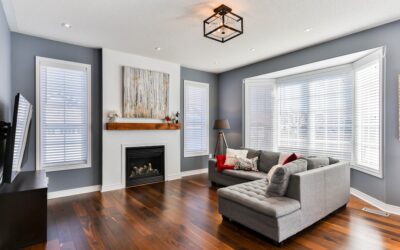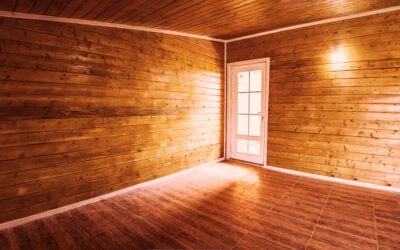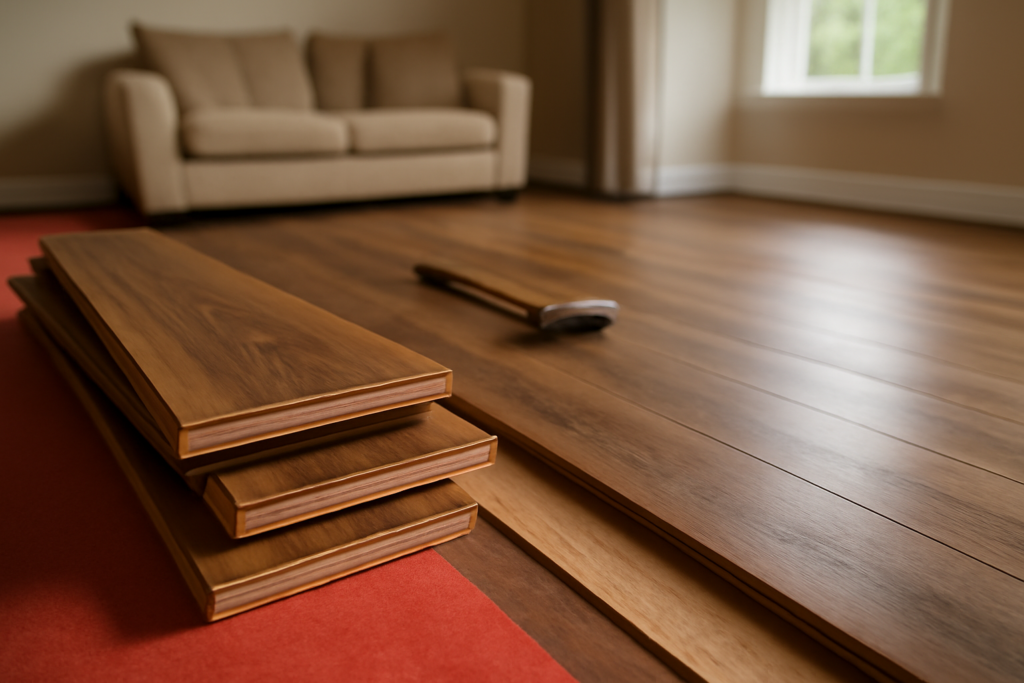
If you love the look of real wood but worry about how it holds up in humid climates or over concrete, composite hardwood deserves a close look. Composite hardwood flooring, most often sold as engineered hardwood, bonds a genuine wood veneer to a stable plywood or fiberboard core, giving you authentic grain with far better resistance to moisture and temperature swings. It bridges the gap between solid hardwood and synthetic floors, but it has its own quirks and trade-offs. This guide covers what it is, the real pros and cons, what it costs, and how to choose the right product.
What Composite Hardwood Actually Is
Composite hardwood is built in layers. The top is a real wood wear layer, typically 0.6mm to 6mm thick, made from species like oak, maple, hickory, or walnut. Beneath it sits a cross-layered core of plywood or high-density fiberboard, with the grain of each layer running in alternating directions.
This cross-ply construction is the key to its stability. Because the layers counteract one another’s natural movement, the floor expands and contracts far less than solid wood when humidity changes. The result is a genuine wood surface that resists the cupping, gapping, and warping that can plague solid planks.
The Advantages
The biggest selling point is that you get a real wood floor that performs in places solid hardwood cannot. Engineered planks can be installed over concrete slabs, in basements, and over radiant heat, opening up rooms that were previously off-limits to wood.
Other benefits stack up quickly. Composite hardwood resists humidity-driven movement, installs faster thanks to click-lock and floating options, and looks identical to solid wood once down because the surface is real wood. Many products can be refinished at least once or twice if the wear layer is thick enough, extending their life considerably.
The Drawbacks
Composite hardwood is not flawless. The thin top veneer limits how many times you can sand and refinish it, and budget products with a veneer under 2mm often cannot be refinished at all. Once that wear layer is worn through, replacement is the only option.
Quality also varies widely. Cheap engineered planks may use thin, low-grade cores that dent easily or veneers so thin they feel disposable. And while engineered wood resists humidity better than solid wood, it is still real wood; standing water and prolonged moisture can still cause damage, so it is not a true waterproof floor like vinyl.
How It Compares to Solid Hardwood
Choosing between composite and solid hardwood comes down to your subfloor, climate, and refinishing expectations. Here is how they stack up:
- Stability: Composite wins; it moves far less with humidity changes
- Installation: Composite is more flexible, including floating and below-grade installs
- Refinishing: Solid wins; it can be sanded many times over its life
- Lifespan: Solid can last 50-plus years; quality composite lasts 20 to 30
- Cost: Comparable at the mid range, though premium solid often costs more
For most homeowners installing over concrete or in a humid region, composite is the smarter pick. For a forever home where multiple refinishes matter, solid hardwood may justify its higher long-term value.
What It Costs
Composite hardwood spans a broad price range based on species, veneer thickness, and core quality. As general material-only guidelines:
- Entry-level: $3 to $5 per square foot with thin veneers
- Mid-grade: $5 to $8 per square foot with 2mm to 3mm wear layers
- Premium: $8 to $13 per square foot with thick veneers and exotic species
Professional installation typically adds $3 to $6 per square foot. Floating click-lock products are the most DIY-friendly, which can cut labor costs significantly if you are comfortable with the work.
How to Choose Quality
The single most important spec is wear-layer thickness. A veneer of 2mm or more allows at least one refinish and signals a floor built to last. Thicker cores, ideally multi-ply plywood rather than fiberboard, resist denting and feel more solid underfoot.
Check the finish too. Factory-applied aluminum oxide finishes are highly scratch resistant and come with long warranties. Confirm the product is rated for your installation method and subfloor, and if indoor air quality matters, look for low-VOC certifications like FloorScore or CARB2 compliance.
Installation and Care
Let planks acclimate in the room for several days before installing, and ensure the subfloor is clean, dry, and flat. Maintain the recommended expansion gap at the walls. Once installed, sweep regularly, wipe spills promptly, and damp-mop only with a hardwood-safe cleaner; avoid soaking the floor or using steam mops.
Place felt pads under furniture, use rugs in high-traffic zones, and keep indoor humidity between 35 and 55 percent to minimize movement. With this care, a quality composite hardwood floor stays beautiful for decades.
Popular Species and Finishes
Because the surface is genuine wood, composite hardwood comes in the same species you would find in solid flooring, each with its own look and hardness. Oak remains the most popular for its balance of durability, grain character, and affordability. Maple offers a smooth, light, contemporary look, while hickory is among the hardest and most rustic. Walnut brings a rich, dark elegance at a premium price.
Finishes matter as much as species. Wire-brushed and hand-scraped textures hide scratches and add character, making them ideal for busy households and pets. Smooth finishes look more formal but show wear sooner. Matte and low-sheen finishes are currently favored for hiding footprints and everyday scuffs better than glossy options.
Installation Methods Explained
Composite hardwood’s flexibility in installation is one of its biggest practical advantages. There are three main methods, and the right one depends on your subfloor and product:
- Floating click-lock: Planks snap together over an underlayment with no adhesive; the most DIY-friendly
- Glue-down: Bonded directly to the subfloor, common over concrete for a solid feel
- Nail or staple down: Fastened to a wood subfloor, similar to solid hardwood installation
Floating installations are fastest and forgiving, while glue-down offers the most solid, quiet result over concrete. Confirm your chosen product supports the method you want before buying, as not all are rated for every approach.
The Bottom Line
Composite hardwood flooring gives you the authentic look and feel of real wood with far better stability, making it ideal for concrete subfloors, basements, and humid climates. Its main limits are a thinner refinishable surface and the wide quality range across products. Prioritize a thick wear layer and a solid plywood core, and you will land a real wood floor that performs where solid hardwood cannot.
Prefer to explore on your own?
See how new flooring looks in your actual room in seconds — free, no signup.
Try the free Floor Studio →