Turning kitchen scraps and yard waste into rich, dark soil is one of the most rewarding habits a gardener can build, and it starts with the right setup. Choosing a compost bin for garden use depends on your space, how much waste you generate, and how quickly you want finished compost. The good news is that composting is forgiving; nature breaks down organic matter whether or not you do everything perfectly. This guide explains the bin types, what to add and avoid, the simple balance that makes compost work, and how to harvest the finished product for your beds.
Why Compost in the First Place
Compost is often called black gold for good reason. It improves soil structure, helps sandy soil hold water and helps clay soil drain, feeds beneficial microbes, and supplies a slow release of nutrients to your plants. Composting also keeps food and yard waste out of the landfill, where it would otherwise produce methane. For the cost of a bin and a little routine, you turn waste into a free soil amendment that improves every bed you add it to.
Choosing the Right Bin
The best bin matches your yard size and how hands-on you want to be. Here are the common types.
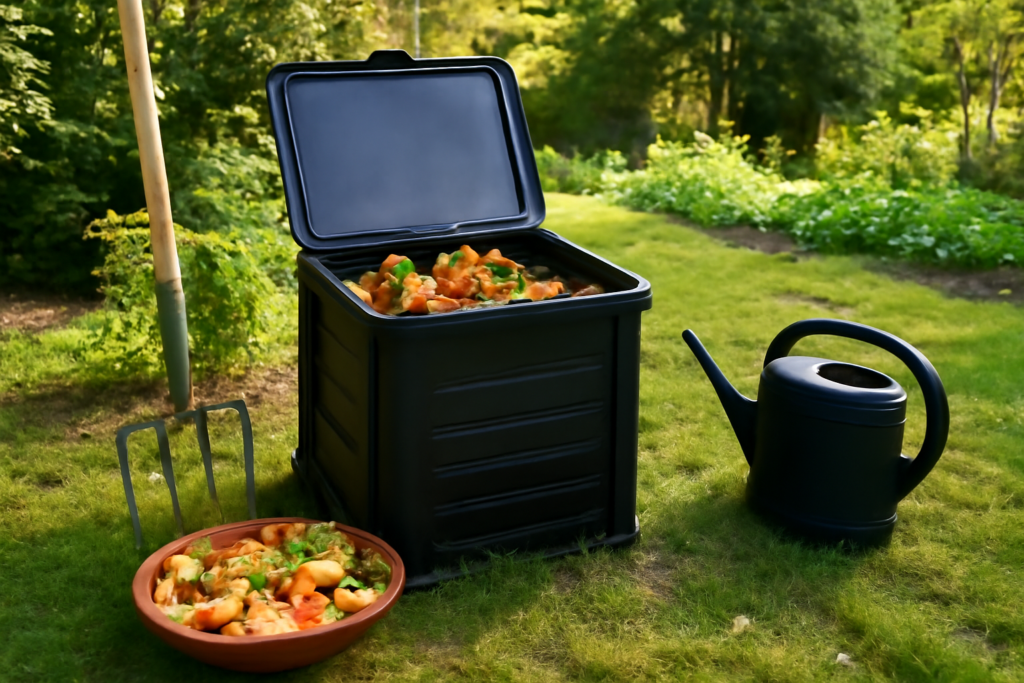
- Stationary bin: An enclosed plastic or wood bin that sits in place. Inexpensive, tidy, and good for steady kitchen and yard waste.
- Tumbler: A sealed drum on a frame that you rotate. Speeds decomposition through easy turning and keeps pests out, at a higher price.
- Open compost pile or wire bin: The simplest, cheapest option for larger yards with plenty of space and yard waste.
- Three-bin system: For serious gardeners, three sections let you move compost through stages from fresh to finished.
- Worm bin (vermicomposting): A compact indoor or shaded outdoor option that uses red wigglers, ideal for apartments and small spaces.
What to Put In and What to Leave Out
Successful composting comes down to feeding it the right materials. Compostable items fall into two groups: nitrogen-rich greens and carbon-rich browns.
- Greens (nitrogen): Fruit and vegetable scraps, coffee grounds, fresh grass clippings, and plant trimmings.
- Browns (carbon): Dry leaves, shredded cardboard and paper, straw, and small wood chips.
Keep these out of a home compost bin: meat, fish, bones, dairy, oily or greasy foods, and pet waste, all of which attract pests and create odor. Avoid diseased plants and weeds that have gone to seed, since a home pile may not get hot enough to kill them.
The Green-to-Brown Balance
The single most important rule is the ratio of browns to greens. Aim for roughly two to three parts browns to one part greens by volume. Too many greens and the pile turns slimy and smells like ammonia; too many browns and it dries out and breaks down slowly. If your pile smells bad, add more browns and turn it. If it is dry and inactive, add greens and a little water. Keep the pile about as moist as a wrung-out sponge.
Speeding Up Decomposition
A neglected pile will still compost eventually, but a few habits dramatically speed the process. Turn or tumble the pile every week or two to add oxygen, which the decomposing microbes need. Chop or shred materials into smaller pieces so they break down faster. Keep the moisture balanced, and build a larger pile, since more volume holds heat better and a hot pile decomposes much faster. With active management, compost can be ready in a few months instead of a year.
Troubleshooting Common Problems
Most issues have simple fixes. A foul, rotten smell means too much nitrogen or too little air, so add browns and turn it. Pests usually mean the wrong foods went in, so bury fresh scraps in the center and avoid meat and dairy. A pile that never heats up is often too small, too dry, or short on greens. And if decomposition stalls, turning the pile to reintroduce oxygen almost always restarts it.
Where to Place Your Compost Bin
Location affects how well your compost works and how often you tend it. A spot with partial sun helps keep the pile warm without drying it out too fast, and well-drained ground prevents the bottom from turning soggy. Place the bin somewhere convenient enough that you will actually walk out to it with kitchen scraps, but not so close to the house that any occasional odor is a nuisance. Easy access to a water source makes balancing moisture simpler, and a little room beside the bin gives you space to turn the pile or set up a second bin later.
If you compost year-round in a cold climate, a bin near the house or with an insulated design keeps the process going longer into winter. Setting the bin directly on soil rather than concrete lets worms and beneficial microbes migrate up into the pile and speeds decomposition.
Composting Through the Seasons
Your compost behaves differently across the year, and adjusting helps. In warm months, decomposition runs fast, so turn more often and watch moisture, since piles dry out quickly in summer heat. In fall, you have an abundance of leaves, the ideal brown material, so stockpile some to balance the nitrogen-rich kitchen scraps that keep coming all winter. Cold weather slows microbial activity dramatically, and a pile may go nearly dormant in freezing temperatures, which is normal; it will reactivate as the weather warms. A larger pile holds heat better and keeps working longer into the cold.
Harvesting and Using Finished Compost
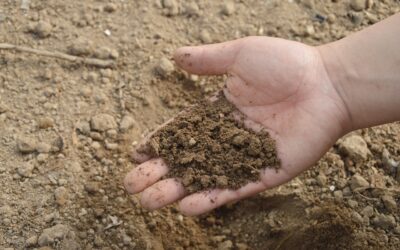
Compost is ready when it is dark, crumbly, and earthy-smelling, with the original materials no longer recognizable. Sift out any large pieces and return them to the active pile. Spread finished compost as a top dressing around plants, mix it into garden beds before planting, or blend it into potting mix. A one to two inch layer worked into your beds each season steadily builds healthier, more productive soil.
Final Thoughts
A compost bin for garden use turns everyday waste into one of the best soil amendments money cannot easily buy. Choose a bin that fits your space, feed it a healthy balance of greens and browns, keep it moist and aerated, and avoid the foods that cause odor and pests. Stay consistent, and within a season or two you will have a steady supply of rich compost that rewards every plant in your garden.